
 The Standard Group Plc is a multi-media organization with investments in media
platforms spanning newspaper print
operations, television, radio broadcasting, digital and online services. The
Standard Group is recognized as a
leading multi-media house in Kenya with a key influence in matters of national
and international interest.
The Standard Group Plc is a multi-media organization with investments in media
platforms spanning newspaper print
operations, television, radio broadcasting, digital and online services. The
Standard Group is recognized as a
leading multi-media house in Kenya with a key influence in matters of national
and international interest.


Hepatitis is the inflammation of the liver and if not treated on time, can damage the liver. Other than vital functions like bile formation, breakdown of food and enzyme secretion, the liver is also responsible for some vital physiological functions such as removal of toxins from the body, keeping infections at bay and filtering blood.
To prevent damage to this important organ, we need to take precautionary measures beforehand and a good place to begin is understanding viral hepatitis, one of the most common causes of damage to the liver.
Viral hepatitis affects both women and men. Hepatitis A affects both men and women similarly. However, Hepatitis B and C affects women differently than men.
Here are some of the ways that Hepatitis B affects women differently:
i.Birth Control
Women who are having severe liver damage are at a risk of never using birth control that contains estrogen. A damaged liver could have problems breaking down estrogen.
ii.Pregnancy and giving birth
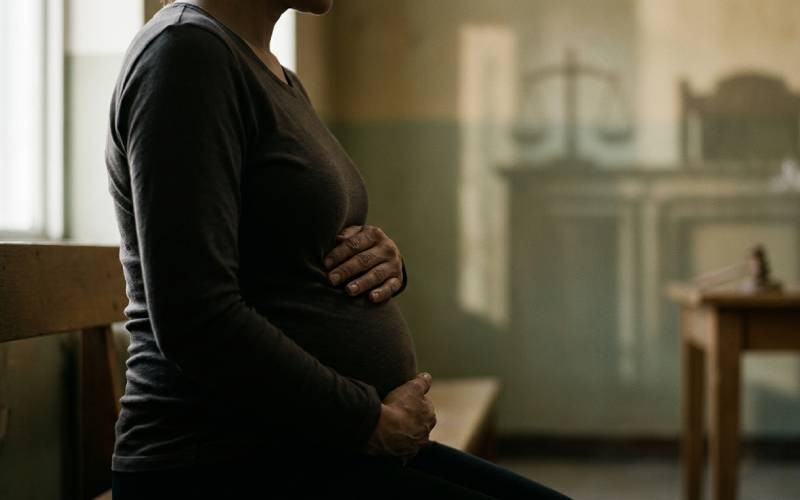
An infected mother poses a high risk of infecting her child with Hepatitis B during birth. Hepatitis B also raises a mothers risk for problems during pregnancy.
Mothers-to-be are encouraged to consult with their doctors about taking hepatitis B medication if they are infected so as to lower the risk of passing it to their babies. Also, given hepatitis medication are safe during pregnancy but not for everyone. Therefore, there is the dire need to talk with a doctor before embarking on taking hepatitis B medicines.
Here are some of the ways that Hepatitis C affects women differently:
i.Slower damage
Unlike in men, research shows that acute hepatitis C often goes away on its own for younger women. Also, women with chronic hepatitis C experience slower liver damage compared to men. Scientists attribute this to the hormone estrogen which is believed can help protect the liver from damage.
ii.Shorter on no menstrual periods
Women are likely to miss their menstrual periods or have shorter ones. This is mostly as a side effect of the hepatitis medication.
Also, since hepatitis C is spread through blood, the risk of passing it to a partner is higher during menstrual period.
iii.Birth Control
Like with hepatitis B, women with severe liver damage may not be able to use birth control that contains estrogen as the damaged liver might have problems breaking down estrogen.
iv.Pregnancy and giving birth
According to experts, the risk of passing hepatitis C to unborn babies during pregnancy is low. However, hepatitis C increases a mother-to-be’s risk for problems during pregnancy which might include premature birth and gestational diabetes.
There is also the risk of some hepatitis C medication causing harm to the baby if taken during pregnancy.
v.Quicker liver damage post menopause
For women with hepatitis C, liver damage happens faster after menopause. There are some hepatitis C medicines that may also not work well for women after menopause as they for men and younger women.
If you could pick only one person to live with forever who would it be?












 join
join