
 The Standard Group Plc is a multi-media organization with investments in media
platforms spanning newspaper print
operations, television, radio broadcasting, digital and online services. The
Standard Group is recognized as a
leading multi-media house in Kenya with a key influence in matters of national
and international interest.
The Standard Group Plc is a multi-media organization with investments in media
platforms spanning newspaper print
operations, television, radio broadcasting, digital and online services. The
Standard Group is recognized as a
leading multi-media house in Kenya with a key influence in matters of national
and international interest.

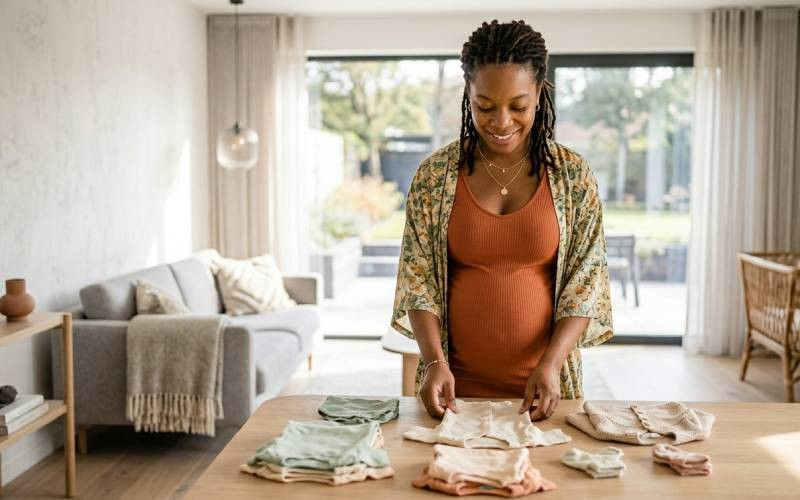
The rise of the “free birth” movement, where women deliberately choose to give birth without trained medical assistance, has sparked intense debate among healthcare professionals, ethicists and mothers themselves. Supporters often describe free birth as a way to reclaim control, avoid medical interventions, and experience childbirth in a more natural and personal environment. Critics, however, warn that childbirth remains medically unpredictable, even in apparently low-risk pregnancies.
Many women drawn to free birth cite previous negative experiences in healthcare settings, including feeling unheard, pressured into interventions, or lacking privacy and dignity during labour. Others are motivated by cultural beliefs, financial barriers, fear of hospitals, or a strong desire for autonomy over the birthing process. In an era where social media increasingly celebrates “natural” lifestyles, free birth narratives have gained visibility and influence.
There can indeed be advantages to carefully planned low-intervention births. Women delivering in calm and familiar surroundings may feel more relaxed and emotionally empowered. Reduced anxiety and greater personal control can positively influence labour. For women with uncomplicated pregnancies, home births attended by qualified midwives may, in some settings, be safely achieved with proper emergency backup systems in place. Importantly, many experts agree that maternity care should become more respectful, woman-centred and less interventional.
However, free birth differs significantly from medically supervised home birth. In a free birth, there is no trained professional present to detect or manage emergencies. Childbirth complications can arise suddenly, even in healthy mothers with normal pregnancies. Severe bleeding, obstructed labour, cord prolapse, fetal distress or newborn breathing difficulties may develop within minutes and require urgent skilled care.
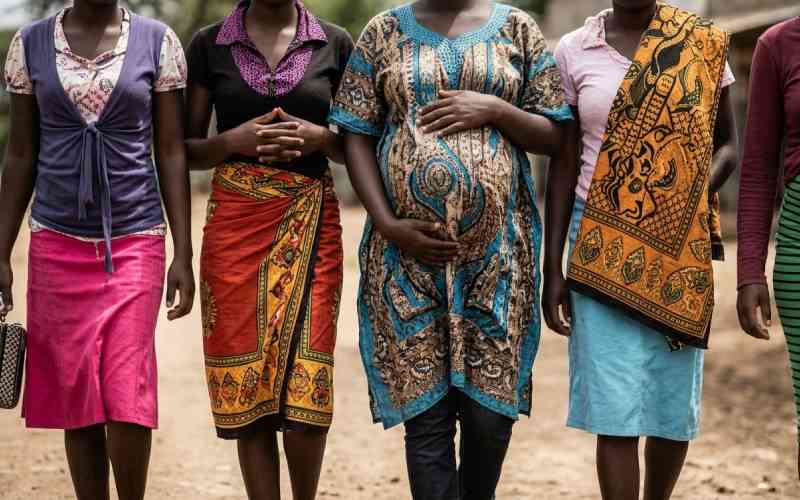
The WHO continues to emphasise the importance of skilled birth attendance in reducing maternal and newborn deaths. Globally, hundreds of women still die daily from preventable pregnancy and childbirth complications, most occurring in low- and middle-income countries, including Kenya.
Women considering birth options should, therefore, avoid viewing the issue as a simple choice between “natural” and “medicalised” birth. The safest approach is usually balanced care: respecting a woman’s preferences while ensuring rapid access to skilled support. Birth plans should prioritise dignity, informed consent and emotional support, but also acknowledge that labour can become unpredictable. Safety for both mother and baby should remain central in any childbirth decision.
Dr Murage is a Consultant Gynaecologist and Fertility Specialist.







 join
join