
 The Standard Group Plc is a multi-media organization with investments in media
platforms spanning newspaper print
operations, television, radio broadcasting, digital and online services. The
Standard Group is recognized as a
leading multi-media house in Kenya with a key influence in matters of national
and international interest.
The Standard Group Plc is a multi-media organization with investments in media
platforms spanning newspaper print
operations, television, radio broadcasting, digital and online services. The
Standard Group is recognized as a
leading multi-media house in Kenya with a key influence in matters of national
and international interest.


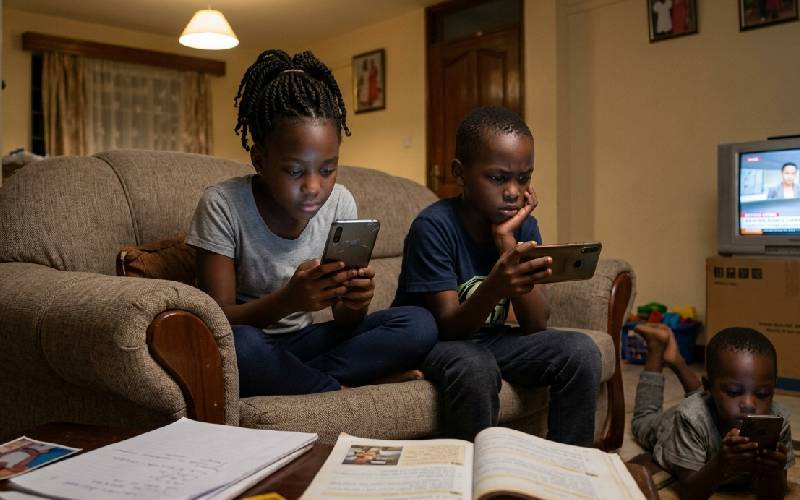
A highly sensitive child is often quiet, but their inner world is far from silent. It is rich with reflections, feelings, imagination, memories, intuition, and thoughts about everything they observe.
They move through the world attentively, processing experiences deeply and with heightened awareness. Subtleties, such as a soft smile, pauses between words, or a change in tone, are easily noticed, while what may seem ordinary, like bright lights, busy streets, raised voices, or loud sounds, can feel overwhelming.
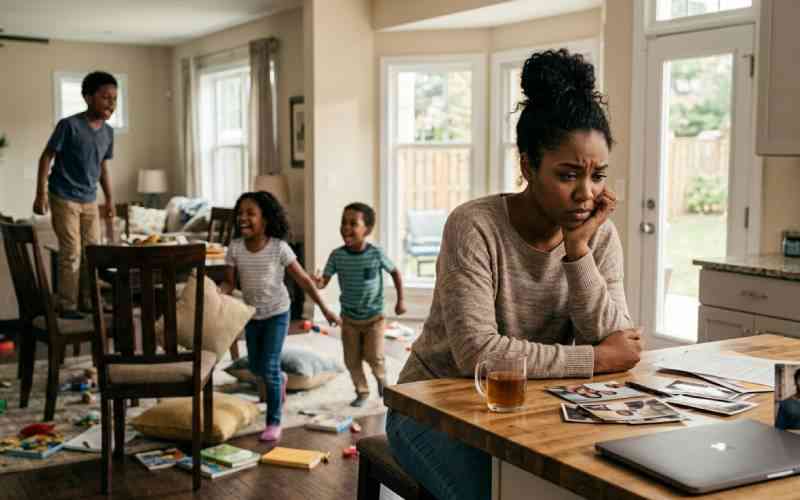
When overstimulated, they may cry, step back, react with irritation, express frustration, seek comfort from a parent or treasured object, or display a temper. Because of this, they are often misunderstood as weak or difficult, yet behind their sensitive temperament lie strengths that parents can help them harness.
Consultant psychologist James Bosse describes a highly sensitive child as emotionally active and displaying behavioural traits beyond their years.
“They are typically respectful, which is often mistaken for shyness. But they go after what they want, and sometimes parents interpret that as being difficult,” he says.
Sensitive children reflectively view the world, questioning situations deeply and exercising caution based on their observations. They often consider whether their actions are right before taking them, and their thought processes are more advanced than their age suggests, giving them a rich and complex internal world.
Emotionally sensitive children are stable and not pushovers. When they express emotion, it is often after a long period of internal processing. The intensity with which they experience love, joy, gratitude, awe, hope, and serenity is matched by the depth of their sadness, anger, guilt, or shame.
“When they cry, it is normally a hard cry. They do not follow a script or respond predictably. Their emotional attachments and detachments run deep,” Bosse says.
- Ways parents can help children set New Year resolutions
- How to parent purposefully this year
- Why structure is your child's greatest security
- Why exhaustion is not a badge of honour
Keep Reading
Highly sensitive children notice injustices and seek resolution. Gestures like gifts do not erase the fact that they want issues addressed.
High sensitivity has often been mocked, misunderstood, or suppressed. Sensitive children may learn to hold in their feelings to fit in. One of their greatest strengths is empathy, with a deep attunement to others’ emotions.
“They ask complex questions that surprise adults. They are sensitive to noise and will ask people not to shout, and parents often wonder where such awareness comes from,” Bosse notes.
Highly sensitive children may show traits of introversion, valuing alone time as a way to recharge, though many are not strictly introverted. They may seek a parent’s presence without needing to converse. When they do engage, they ask thoughtful questions and then continue with their day.
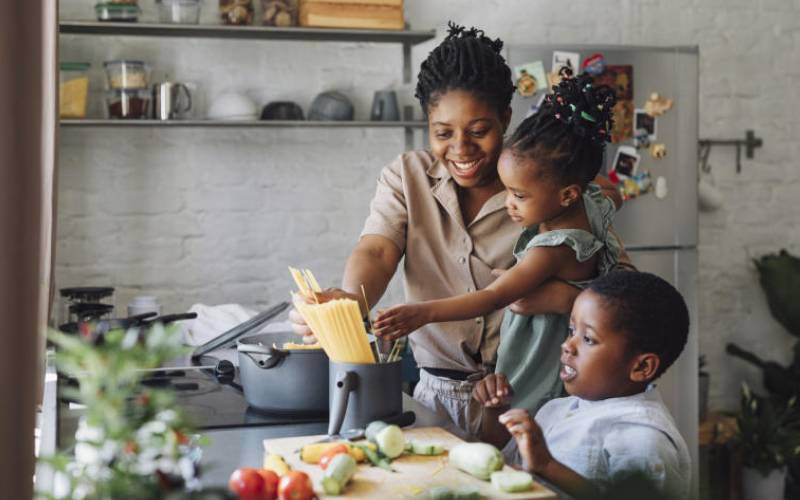
Bosse encourages parents to create a home environment that is safe and supportive. Many children grow up in homes filled with comparisons and shaming language, often with the expectation to excel.
“Parents should ask themselves whether their home has routines and whether a child’s feelings and thoughts are valued before correcting them. A home should be a warm place where everyone feels accepted, not a space where children are seen but not heard,” he says.
In African households, boys are often expected to act tough, which can make raising a highly sensitive boy challenging. Bosse advises that recognising their empathy and emotional depth early is crucial. He also highlights the importance of masculine role models, as boys raised primarily in feminine environments may struggle with assertiveness.
“They form strong attachments to carers, often feminine figures. As a result, their emotional side may grow stronger than their practical structures, making them more emotionally sensitive than grounded,” he explains.
Raising a confident, sensitive child begins with encouraging them to love who they are. Children observe and emulate their parents, so expressing emotions healthily and apologising when necessary sets an example.
Challenges with high sensitivity include emotional overwhelm. An understanding parent who checks in, provides emotional and physical support, and reassures their child makes them feel safe. Using soft, affirming language and avoiding phrases like “toughen up” helps children validate their emotions.
Bosse advises equipping sensitive children with coping mechanisms by first helping them understand their sensitivity and having open conversations about it.
“Some children cope by reading, others by watching television or playing with friends. Honest conversations help parents learn what works for their child,” he shares.
Emotional resilience is cultivated by helping sensitive children understand that they can recover from difficult experiences and that their emotions are valid. With parental guidance, they learn to trust their strong intuition.
Discipline need not differ, though highly sensitive children may internalise harsh tones deeply. They also need guidance on setting boundaries and distinguishing kindness from self-sacrifice.
“Parents should teach them how to say no kindly but firmly, and that kindness is not weakness. Disappointing people is part of life; boundaries are essential,” Bosse says.
Preparing sensitive children for school and the wider world involves exposure to different environments while maintaining their sense of self and fostering relationships with teachers. Parents can also teach them to navigate rejection and conflict by explaining that people are different and that rejection is part of life.











 join
join