
 The Standard Group Plc is a multi-media organization with investments in media
platforms spanning newspaper print
operations, television, radio broadcasting, digital and online services. The
Standard Group is recognized as a
leading multi-media house in Kenya with a key influence in matters of national
and international interest.
The Standard Group Plc is a multi-media organization with investments in media
platforms spanning newspaper print
operations, television, radio broadcasting, digital and online services. The
Standard Group is recognized as a
leading multi-media house in Kenya with a key influence in matters of national
and international interest.

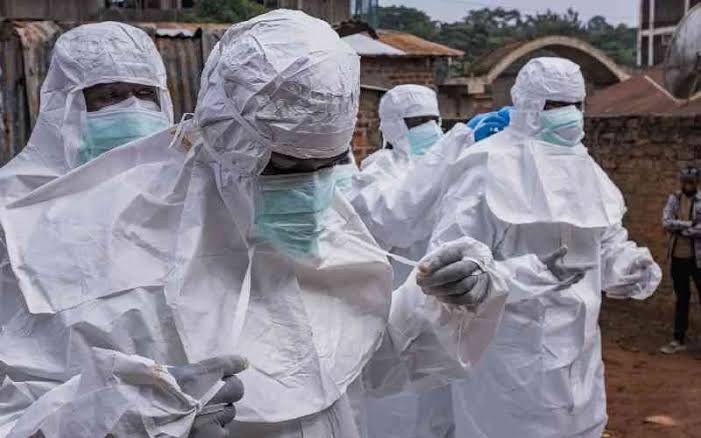
The confirmation that an American doctor contracted Ebola while treating patients in the Democratic Republic of Congo has reignited anxiety in Kenya, where a controversial government plan to establish an Ebola quarantine facility in Nanyuki is already facing legal challenges and public resistance.
The U.S. physician was infected while responding to the outbreak in eastern DRC and has since been evacuated to the United States for specialised treatment.
While U.S. authorities have confirmed the doctor is receiving care at home, the case has renewed questions among Kenyans about the country's role in the regional Ebola response and whether its preparedness measures could eventually see it receive patients from neighbouring countries.
The latest development has revived debate over the government's Ebola preparedness strategy, particularly after Washington announced a Sh1.9 billion (US$14.5 million) investment to strengthen Kenya's ability to detect and respond to the virus.
The funding will support disease surveillance, laboratory testing, border screening, emergency response and community engagement to improve Kenya's capacity to identify and contain suspected Ebola cases before they spread.
Health officials say preparedness efforts are focused on 22 counties considered most at risk of importing the virus.
- WHO declares international emergency as Ebola kills over 80 in DR Congo
- Duale: No Ebola in Kenya as DRC outbreak kills 88, reaches Uganda
- Duale: Three suspected Ebola cases tested negative, surveillance upped
- WHO warns of rising Ebola threat as Kenya tightens response efforts
Keep Reading
The programme has already trained more than 800 laboratory professionals strengthened two KEMRI-supported Ebola testing laboratories and deployed two mobile laboratories that can be moved rapidly to suspected outbreak hotspots.
Kenya has also trained more than 1,700 disease detectives, 120 national rapid responders and over 160 county emergency response personnel.
In addition, 27 Emergency Operations Centres have been activated to coordinate public health emergencies, with plans to establish centres in 12 more high-risk counties.
The announcement comes as Kenya remains on heightened alert because of its extensive trade, travel and transport links with the Democratic Republic of Congo and other countries in the region. Although Kenya has not reported a confirmed Ebola case during the current outbreak, health experts warn that the risk of importation remains, making early detection and rapid response critical.
The developments are also likely to intensify scrutiny of the proposed Ebola quarantine and isolation facility at the Kenya Defence Forces barracks in Nanyuki.
The project sparked widespread concern after reports emerged that the government planned to establish the facility, fuelling speculation that Kenya was preparing to receive Ebola patients from neighbouring countries in exchange for foreign funding.
The claims spread rapidly on social media, despite repeated assurances from the Ministry of Health that the facility is intended to isolate suspected cases detected within Kenyawhile awaiting laboratory confirmation.
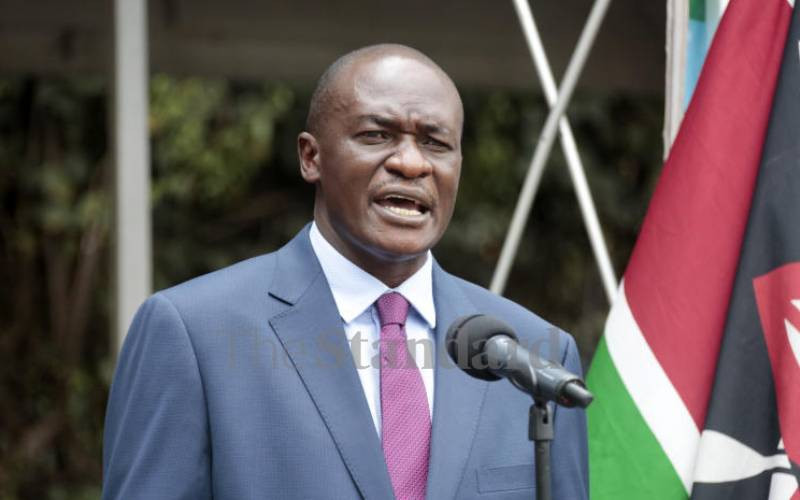
The controversy has since moved to the courts, where Health Cabinet Secretary Aden Duale was defending the government's preparedness plans against petitions challenging the Nanyuki project.
Petitioners argued that the facility was proposed without adequate public participation, while the government maintains it is a necessary component of Kenya's obligations under the International Health Regulations and an essential safeguard against cross-border disease threats.
For many Kenyans, however, the questions remain. The infection of an American healthcare worker and the latest U.S. investment in Kenya's preparedness have once again fuelled public debate over the country's readiness for Ebola and whether the infrastructure being put in place is solely for domestic preparedness or could eventually support a broader regional response.
Health authorities insist the answer is clear: the investments are intended to strengthen Kenya's ability to detect, isolate and contain any imported case before local transmission occurs, not to receive Ebola patients from other countries.
Whether those assurances will be enough to calm public concern is likely to remain a key question as the Nanyuki case proceeds through the courts and the Ebola outbreak in eastern DRC continues to evolve.








 join
join