
 The Standard Group Plc is a multi-media organization with investments in media
platforms spanning newspaper print
operations, television, radio broadcasting, digital and online services. The
Standard Group is recognized as a
leading multi-media house in Kenya with a key influence in matters of national
and international interest.
The Standard Group Plc is a multi-media organization with investments in media
platforms spanning newspaper print
operations, television, radio broadcasting, digital and online services. The
Standard Group is recognized as a
leading multi-media house in Kenya with a key influence in matters of national
and international interest.

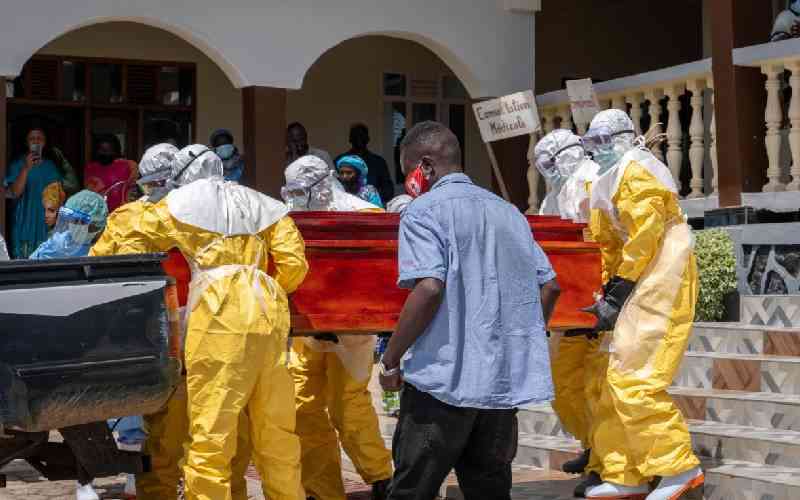
The coffin of a person suspected of having died from Ebola is hoisted onto a pick-up truck by health workerS at a hospital in Bunia, in the eastern DRC, on May 25, 2026. [AFP]
More than 220 people have died in a suspected Ebola outbreak, with over 900 suspected cases reported.
This comes even as Kenya has been listed among 10 high-risk Ebola countries because of trade ties and migration.
World Health Organisation (WHO) Director-General Tedros Adhanom Ghebreyesus said there are so far 101 confirmed cases of the Bundibugyo strain in the Democratic Republic of the Congo (DRC).
Addressing the Africa Centres for Disease Control and Prevention (Africa CDC) on Monday, Dr Tedros said the cases were spreading rapidly.
On Friday, WHO upgraded the risk assessment from “high” to “very high.”
“The outbreak is spreading rapidly. So far, 101 cases have been confirmed in DRC, with 10 confirmed deaths, but we know the epidemic in DRC is much larger. There are more than 900 suspected cases and 220 suspected deaths,” said Tedros.
- WHO declares international emergency as Ebola kills over 80 in DR Congo
- Duale: No Ebola in Kenya as DRC outbreak kills 88, reaches Uganda
- Duale: Three suspected Ebola cases tested negative, surveillance upped
- WHO warns of rising Ebola threat as Kenya tightens response efforts
Keep Reading
During the briefing chaired by Africa CDC, Cyril Ramaphosa announced a $5 million (Sh645 million) contribution to support Africa CDC’s efforts to contain the ongoing Ebola outbreak in DRC and Uganda.
Africa CDC is planning to raise $319 million to enhance the response to the Ebola outbreak.
“Africa is being tested by a dangerous Ebola outbreak affecting DRC and Uganda, with serious spread,” said Ramaphosa.
According to the South African President, intense population movement, insecurity, porous borders and active trade corridors are making containment efforts more difficult.
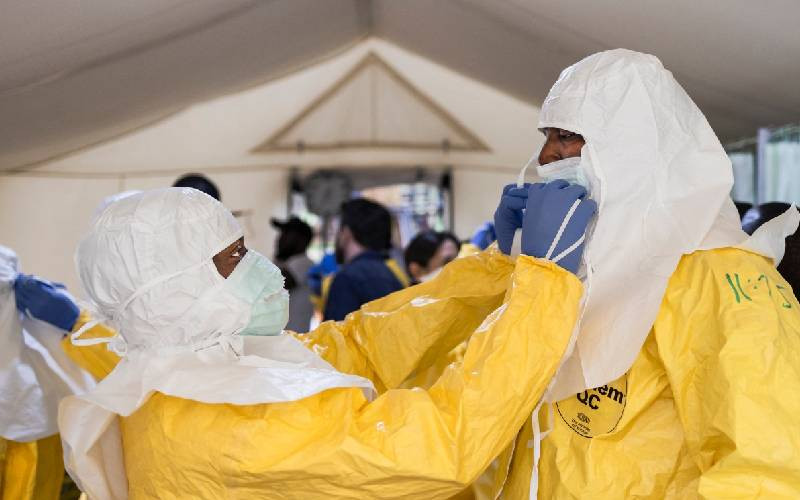
Ramaphosa applauded healthcare workers who have been at the frontline in containing the spread of the viral disease.
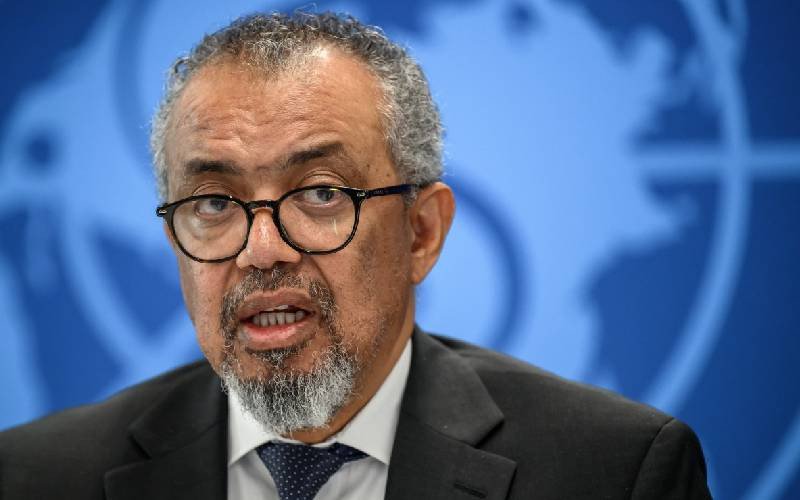
WHO Director-General Tedros Adhanom Ghebreyesus addresses a press conference on Ebola outbreak in Democratic Republic of Congo and Uganda, in Geneva, on May 20, 2026. [AFP]
Additionally, he said Africa CDC had taken swift action and was leading a unified strategy by mobilising affected countries and states to contain the outbreak.
According to Africa CDC, the outbreak of the Bundibugyo strain is the second-largest Ebola outbreak after the West Africa outbreak of 2014.
Unlike the Ebola Zaire strain, the Bundibugyo strain has neither vaccines nor approved treatment drugs.
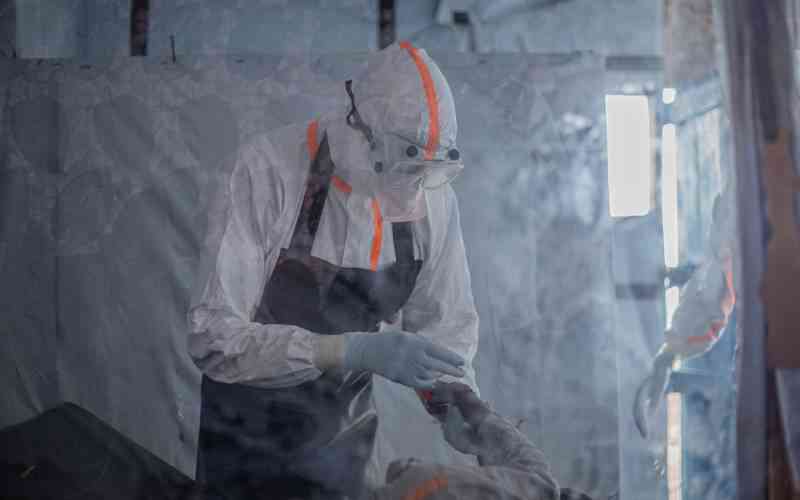
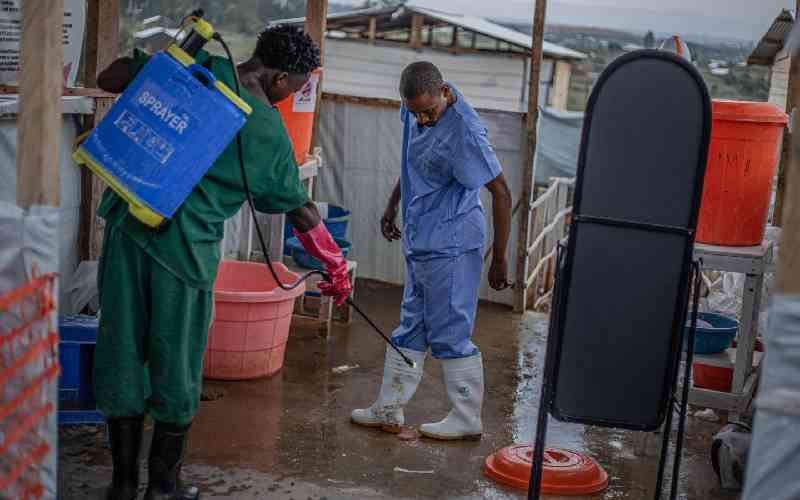
Individuals who contract the disease are isolated, according to scientists and healthcare providers.
Other than isolation, health workers manage symptoms such as fever, muscle pain, diarrhoea and vomiting because of the lack of antiviral drugs.
“It is worrying that at the onset of the outbreak, there are no therapeutics or vaccines,” regretted the South African President.
He said Africa CDC is working closely with WHO, Gavi, the Vaccine Alliance and other partners towards clinical trials aimed at developing a vaccine for the Ebola strain.
“Africa cannot face this outbreak without diagnostic tools and treatments,” said Ramaphosa.
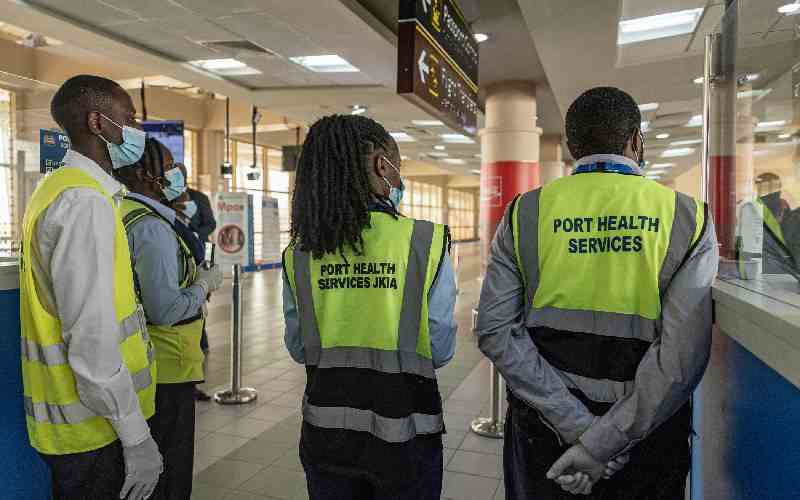
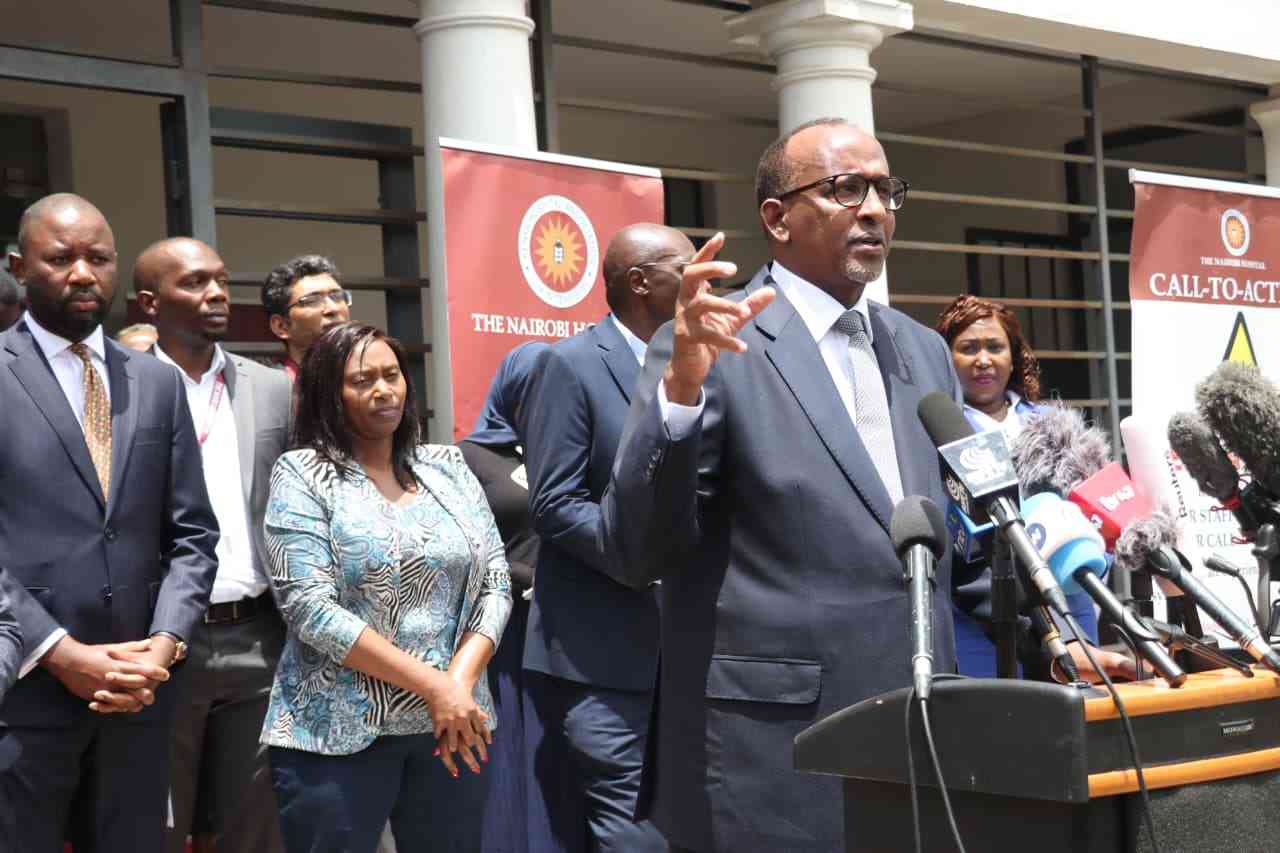
To avert a spillover into Kenya, the Ministry of Health, through the Kenya National Public Health Institute (KNPHI), has activated a robust multi-sectoral preparedness and response framework.
This includes activation of an incident management system to coordinate national preparedness and response activities in collaboration with counties and partners.
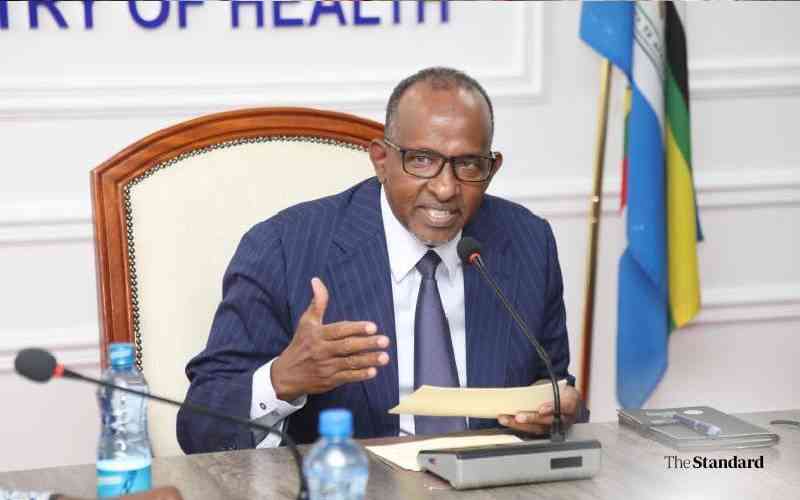
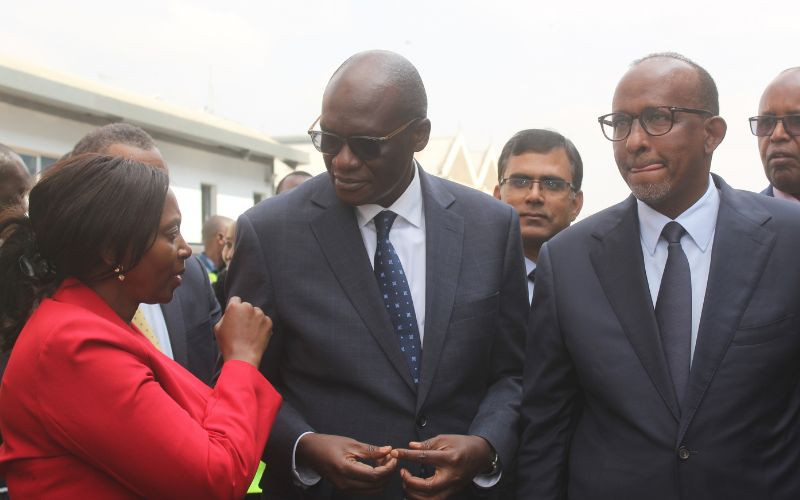
According to Health Cabinet Secretary Aden Duale, public health emergency operations centres at both national and county levels have also been activated.
The ministry has also trained 880 national and county healthcare workers on Ebola preparedness and response.
Duale noted that rapid response teams have been placed on standby for immediate deployment.
Kenya has not reported any cases of the viral disease.
The Ebola outbreak of the Bundibugyo strain was declared an emergency by WHO on May 17, 2026.
The outbreak was first reported in DRC and has since spread to Mongbwalu, Rwanpara and Bunia in Ituri Province, as well as Butembo and Goma in North Kivu.
In Uganda, at least five cases have been reported, with one death.
To break the chain of transmission, all flights from Bunia were suspended, while movement was restricted in highly affected regions.
According to WHO, nearly five million people live amid ongoing conflict in Ituri Province, the epicentre of the outbreak.
Authorities also banned large gatherings and masses, although enforcement remains weak.
Locals have also reportedly continued defying protocols on handling the dead, increasing the risk of infection.
For example, last week irate youths stormed and torched a health centre while demanding the release of the body of a young man reported to have died of Ebola.
Even with heightened surveillance, local health officials have warned of escalating cases.
According to local health workers, there is poor communication, with many people yet to accept that their loved ones died of Ebola.
Others do not believe Ebola exists.
Africa CDC Director-General Jean Kaseya said the outbreak of the Bundibugyo strain poses a higher risk to DRC compared to previous outbreaks.
“The Ebola outbreak is becoming increasingly serious. I was recently in the field, witnessing first-hand the suffering of affected communities, the pressure on health workers and the scale of unmet needs and limited support on the ground,” said Kaseya.
On Saturday, Africa CDC convened a high-level meeting in Kampala bringing together ministers from DRC, Uganda and South Sudan, alongside several partners.
Additionally, Tedros said individuals in affected areas require humanitarian support.
For instance, one in four people are in need of humanitarian assistance, while one in five is internally displaced.
The violence is forcing people to flee, including health and humanitarian workers.
Tedros said the displacement was severely impeding efforts to scale up Ebola contact tracing and identify infections early enough to provide supportive care.
“Ongoing insecurity and fear are also fuelling mistrust within communities,” added Tedros.
He said WHO and humanitarian health partners continue to maintain a presence across Ituri, including in some of the hardest-to-reach and most insecure areas.
Communities are facing not only the threat of Ebola, but also a wide range of other diseases.
Besides combating Ebola, WHO is also supporting maternal, reproductive, newborn, child and adolescent healthcare.
Experts from the organisation are also treating severe acute malnutrition with complications.
Additionally, WHO is supporting mental health services, wound care, support for survivors of sexual violence, medical supplies, routine immunisation and community health services.
“Delivering a comprehensive package of healthcare services is essential not only to meet urgent health needs, but also to build the trust that is critical for an effective Ebola response,” said Tedros.
On her part, Dr Sylvie Briand emphasised the need to develop a vaccine to contain the spread of the disease.
She said currently available vaccines were licensed for the dominant Ebola Zaire strain.
The vaccine, she said, offers limited protection against the Bundibugyo strain currently in circulation.
However, she noted that it could take six to nine months to develop a vaccine because of the characteristics of the strain and the products currently available.
“Vaccines are an important tool. Tracing all contacts and working closely with communities to stop the chain of transmission and ensure safe burials are equally critical. By treating patients, we reduce the viral load and lower the risk of spread,” said Dr Briand.
She added: “When responding to an outbreak, you need a combination of tools and responses that include community protection, access to care and surveillance systems to trace where transmission is taking place.”
Additionally, Africa CDC said measures are in place to have a vaccine for the strain by the end of this year.
Ebola is a viral disease believed to originate from bats. It has been present in DRC since 1976.
Symptoms of the disease include high fever, severe weakness and fatigue, headache, muscle and joint pain, and sore throat.
Other symptoms include vomiting, diarrhoea, abdominal pain and unexplained bleeding or bruising.





 join
join