
 The Standard Group Plc is a multi-media organization with investments in media
platforms spanning newspaper print
operations, television, radio broadcasting, digital and online services. The
Standard Group is recognized as a
leading multi-media house in Kenya with a key influence in matters of national
and international interest.
The Standard Group Plc is a multi-media organization with investments in media
platforms spanning newspaper print
operations, television, radio broadcasting, digital and online services. The
Standard Group is recognized as a
leading multi-media house in Kenya with a key influence in matters of national
and international interest.


Relationships are often shaped by pressure from family expectations and social norms, as well as the emotional weight carried from past experiences. Increasingly, women are realising that choosing themselves is not selfish or weak, but one of the bravest and healthiest decisions they can make.
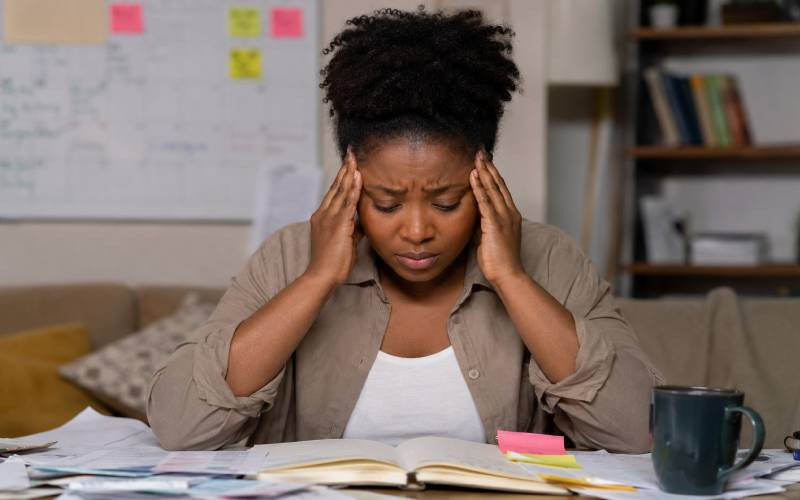
Florence Wambui once believed that love meant waiting things out, making sacrifices and staying hopeful that patience would eventually lead to change. She remained in an unhappy relationship for years, convinced that loyalty and endurance were signs of commitment. Over time, however, the emotional toll became impossible to ignore.
“I was constantly explaining how I felt, forgiving the same mistakes over and over, and carrying the emotional weight of the relationship alone. It became draining,” Wambui says. “Love started to feel like work with no rest. I stopped speaking up just to keep the peace and avoided every difficult conversation.”
She admits she went above and beyond, believing things would eventually improve. “I did everything out of love and hope, thinking that patience, sacrifice and understanding would lead to change,” she says. “What felt like maturity and compromise slowly became overwhelming and exhausting.”
Choosing to be single was not an easy decision. “Being on your own can feel lonely at times,” she says, “but it gave me space for clarity, peace, healing and self-respect.” For Florence, choosing peace became a turning point — a way of protecting herself from emotional exhaustion and recognising that love should never cost her inner calm.
Priscillah Gacheri found herself in a similar position, staying in a relationship longer than she wanted to out of fear.
“I stayed because I was afraid of losing him, and I didn’t know how I would cope without him,” she says.
At first, the relationship felt secure and supportive. “When we met and moved in together, he was caring and attentive. I felt like his priority,” she recalls. But after the birth of their son, everything changed.
- Ways parents can help children set New Year resolutions
- How to parent purposefully this year
- Why structure is your child's greatest security
- Art of parenting highly sensitive children
Keep Reading
“After giving birth, things were never the same. He started cheating and behaving strangely. He would come home very late, and sometimes not at all,” she says.
The situation left her emotionally depleted. “I became exhausted because he would blame me for things I didn’t even understand,” she adds.
Eventually, Priscillah chose to leave to protect her peace. “I would rather be single than stay in a toxic relationship. Being single is far better than being in an abusive situation. Peace matters, and that’s why I decided to move out,” she says.
Although the experience deeply affected her, she believes choosing herself was necessary. “It’s hard for me to trust now because of what I went through. I really loved him, but the relationship changed me,” she reflects.
Psychologist Augustine Ntara says these experiences reflect what many women face across different stages of life.
“Peace is everything,” he says. “Many women leave relationships because of insecurity, pressure from others, or being influenced by the wrong advice. In other cases, emotional abuse, control or intimate partner violence pushes women to prioritise their safety and well-being over staying in unhealthy situations.”
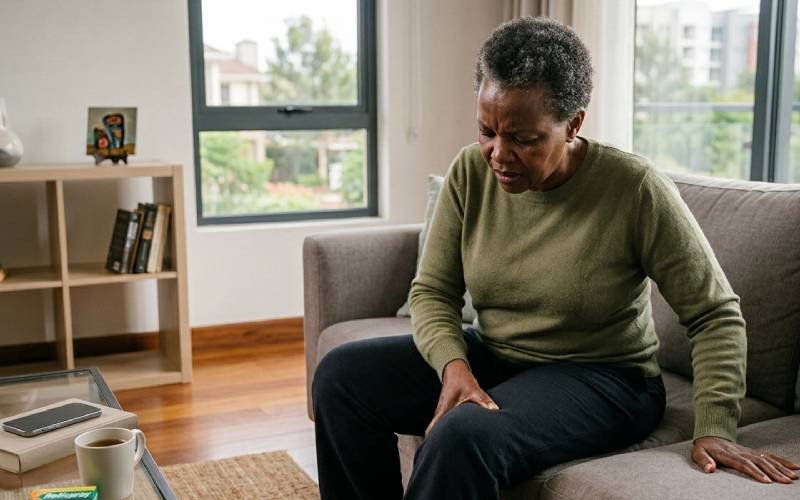
He warns that remaining in emotionally draining relationships can have serious long-term effects. “Women may experience constant anxiety, low self-esteem and even depression. When a partner is unpredictable or abusive, the situation can become dangerous. Living in a toxic environment can gradually erode mental and emotional health,” he explains.
Ntara also stresses the importance of boundaries. “Once a woman understands her worth, she realises that her standards matter. Setting boundaries is essential because it reflects what she values and what she expects from a relationship.”
He concludes by noting that compromise should never come at the expense of well-being. “Healthy compromise is mutual and supportive. Settling happens when one person is constantly sacrificing their needs while the other makes little or no effort.”












 join
join