
 The Standard Group Plc is a multi-media organization with investments in media
platforms spanning newspaper print
operations, television, radio broadcasting, digital and online services. The
Standard Group is recognized as a
leading multi-media house in Kenya with a key influence in matters of national
and international interest.
The Standard Group Plc is a multi-media organization with investments in media
platforms spanning newspaper print
operations, television, radio broadcasting, digital and online services. The
Standard Group is recognized as a
leading multi-media house in Kenya with a key influence in matters of national
and international interest.


The panic call came from a boarding school bathroom.
“Mum, how do you wash white socks?”
At first, Justina Naliaka laughed. Surely her daughter was joking.
However, on the other end of the phone, the Form One student was crying.
Her white socks had turned grey, and her school blouse looked wrinkled. Around her, other girls seemed to know exactly what they were doing, scrubbing uniforms, hanging clothes neatly, and moving with quiet confidence through routines she had never learned.
“She sounded completely defeated, and I remember standing there in my kitchen feeling helpless because I realised this was bigger than socks,” recalls the mother.
At home, her daughter had never washed clothes. There was always someone available to do it for her, a parent stepping in, domestic help handling laundry, or other adults rushing to make life easier for her.
“I thought I was protecting her from stress, but I had sent her into the world unprepared,” Justina says quietly.
- Ways parents can help children set New Year resolutions
- How to parent purposefully this year
- Why structure is your child's greatest security
- Art of parenting highly sensitive children
Keep Reading
In many homes, this conversation is becoming increasingly familiar.
Catherine Mugendi, a family coach and counsellor, says that today’s parenting is a tough terrain with many parents asking difficult questions many never expected to ask, such as whether they are doing too much for our children, if they are mistaking convenience for care, or whether they are raising children who expect life to be done for them.
She explains that for many parents and grandparents, childhood in their days looked quite different.
“Before sunrise, children were already awake. They fetched water from rivers, swept compounds, collected firewood, milked cows, watched younger siblings, and prepared tea before school, and in many homes, chores were not framed as parenting lessons, but these were simply part of life,” says Mugendi.
Agnes Wambui, a grandmother from Ndakaini, Murang’a County, still remembers balancing water containers on her head before walking to school.
“We didn’t complain because everyone had responsibilities, and you learned early that family survival depended on everyone doing their part, and by the time I got married, I could run a household,” she says.
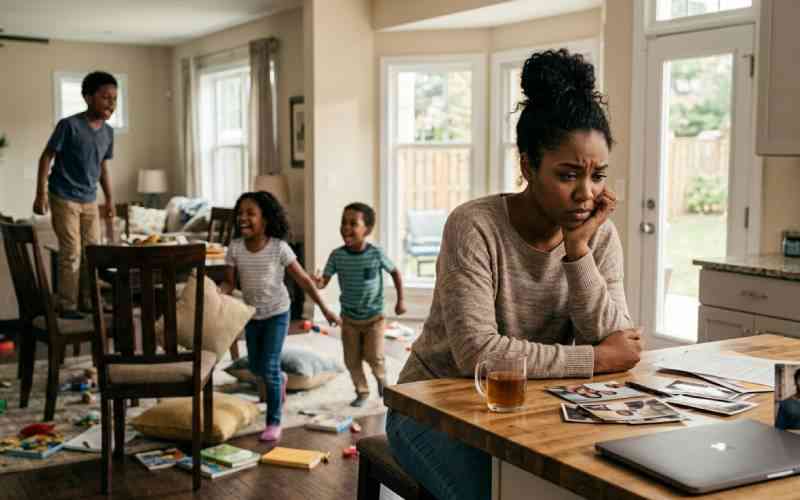
Professor Rebecca Wambua, an educationist, counsellor and parenting guidebook author, explains that today’s parenting landscape looks dramatically different. She says urban families are juggling traffic, demanding jobs, school pressure and long commutes.
“Many parents return home exhausted, while others compensate for their own difficult childhoods by ensuring their children experience less hardship, with others contend with domestic help, technology and packed school schedules,” says Prof Wambua.
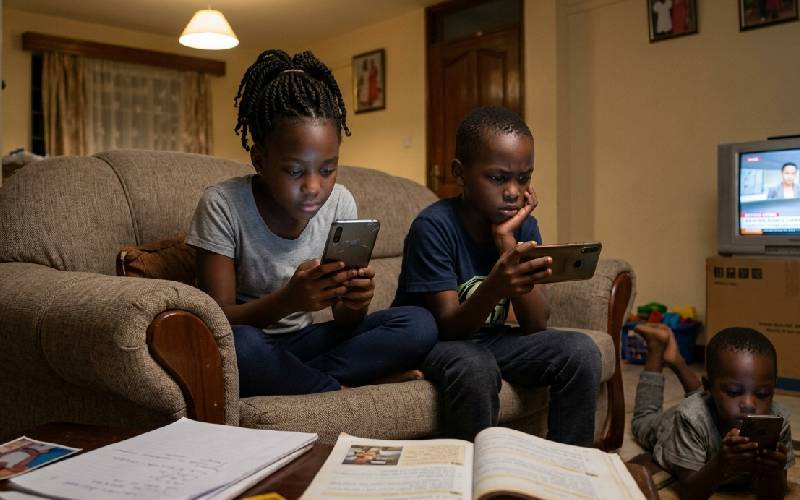
Parental guiltThe expert explains that sometimes, all these factors combine into a quiet pattern with adults doing everything while children simply consume.
James Ochieng, a father of four, realised this when his son left for university.
“He called me asking how long cooking oil takes to heat before frying eggs, and at first, I thought he was joking, but soon enough I realised he wasn’t,” he says, laughing.
He says his teenage son had excelled academically but could not cook a basic meal. That moment forced difficult reflection. He realised that as parents, they had invested in grades and forgotten life skills.
In another home, Beatrice Mwanzia, a mother to two teenagers, says the teenagers have a habit of leaving their plates on the dining table and walks away.
“When I ask them to carry their plates to the sink, they are reluctant, saying it is someone else’s duty to do so,” she laments.
That response unsettled her.
“I realised entitlement doesn’t begin with big things. It begins in small everyday habits, and I had to step in with strict discipline and harsh consequences whenever this order was not followed,” says the mother. “Two months down the line, after the strict rules, we implemented, the end game was a “dry clean dinner table and sink”. The orders were extended to cleaning the utensils, and leaving the sink are dry”.
Mugendi says children themselves tell a more complex story. For some, she points out, chores are not the problem. Fairness is.
“I don’t mind helping, I just don’t like washing dishes every day while my sister or brother does nothing,” says 16-year-old Dalian Njue. On the other hand, nine-year-old Aisha Ali, says she enjoys cooking with her mother.
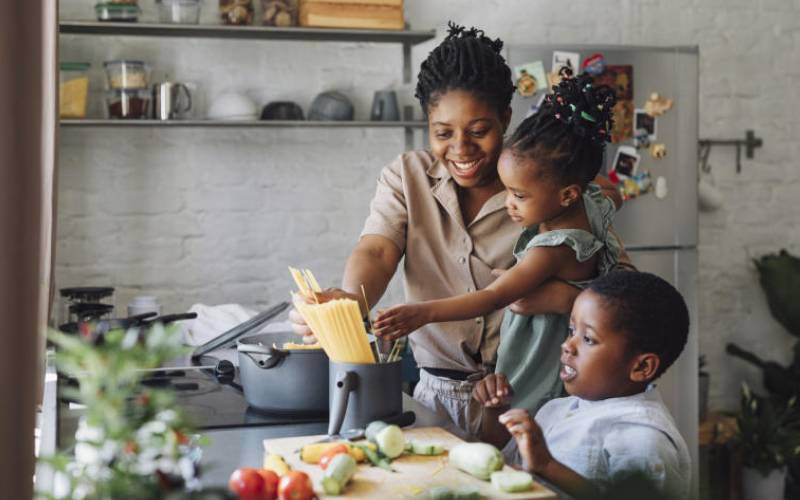
“She lets me stir ugali, and this makes me feel like a big girl,” she says proudly.
Prof Wambua says that pride matters because chores can either build confidence or resentment, depending on how they are introduced.
Mugendi says parents must stop seeing chores as punishment.
“When chores are used after misbehaviour, children associate responsibility with shame. Instead, chores should communicate belonging, and a child should understand that this home functions because everyone contributes,” says the expert.
Child psychologist Dr Ruth Maina agrees. She says over-functioning parents may unknowingly create dependency.
“Children need competence. When parents overdo basic tasks for them, they deny them opportunities to build confidence,” says the psychologist.
She explains that simple tasks such as folding clothes, packing bags, cleaning a room, and preparing meals create resilience. These everyday responsibilities, she explains, quietly build adulthood.









 join
join