
 The Standard Group Plc is a multi-media organization with investments in media
platforms spanning newspaper print
operations, television, radio broadcasting, digital and online services. The
Standard Group is recognized as a
leading multi-media house in Kenya with a key influence in matters of national
and international interest.
The Standard Group Plc is a multi-media organization with investments in media
platforms spanning newspaper print
operations, television, radio broadcasting, digital and online services. The
Standard Group is recognized as a
leading multi-media house in Kenya with a key influence in matters of national
and international interest.

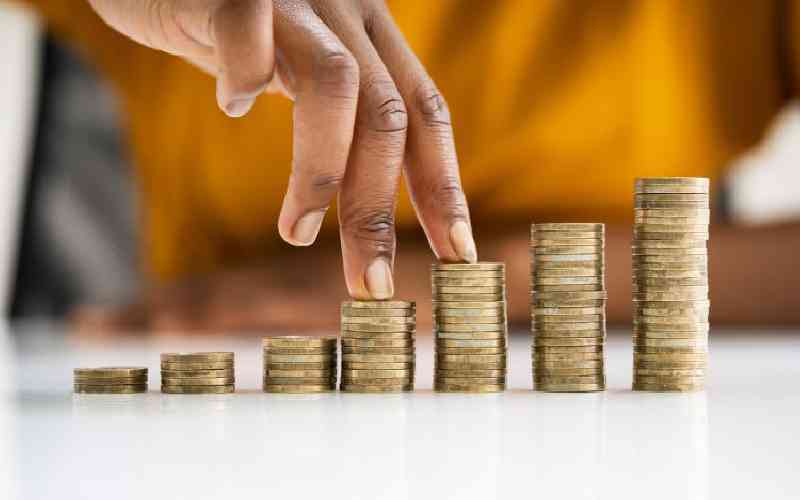
Finance advisor and coach Margaret Njeri says financial preparedness is about building resilience to weather life's unexpected challenges.
Margaret defines a financial emergency as any unforeseen event that disrupts your finances and demands immediate action. These are situations you haven't planned for, yet you must address them quickly.
The most common financial shocks, she explains, include medical emergencies, job losses, funeral costs, school fee shortfalls and car repairs. Additionally, many people face unplanned expenses when supporting relatives or dealing with cash flow issues in their businesses.
Unfortunately, many are unprepared for such financial shocks. For one, many people live paycheck to paycheck, where saving feels like a luxury.
Instant gratification often takes precedence over long-term planning, making it easier to spend now than to save for the future.
Others believe their income is too low to save, or they simply assume that emergencies won't happen to them, until they do. Additionally, limited financial education often means that emergency funds aren't prioritised until it's too late.
Building the fundShe recommends setting aside three to six months' worth of essential expenses, including rent, food, transport, and utilities. For those with irregular income or self-employment, the cushion should ideally cover six to twelve months.
When living paycheck to paycheck, Margaret insists on starting to consistently save small amounts on a weekly or monthly basis. In the digital age, she recommends using apps like mobile money apps to automate savings or money market fund platforms that adjust interest rates with inflation.
- Ways parents can help children set New Year resolutions
- How to parent purposefully this year
- Why structure is your child's greatest security
- Art of parenting highly sensitive children
Keep Reading
"Automate a small transfer to a separate account as soon as you receive income. Once you build the habit, you can increase it gradually," she says.
The amount you save should also reflect your reality. A single person with no dependents can survive on less, while a parent or caregiver needs a bigger safety net. Your emergency fund should reflect your monthly obligations and risk level.
Where to keep itWhen it comes to storing your emergency fund, Margaret advises against locking it up in fixed deposits or long-term investments. She suggests keeping it in a liquid but separate account-a money market fund or a high-interest savings account.
"You want easy access during an emergency, but not so easy that you're tempted to spend it," she says.
She suggests labelling your fund clearly, such as 'for emergencies only', and using a separate account. Before withdrawing, she recommends asking yourself if the issue is truly urgent, unexpected, and necessary. If not, leave the money alone.
Adjusting the budgetTo make room for savings, Margaret suggests adopting the mindset of paying yourself first by treating savings like a bill. She advises cutting small recurring costs like takeouts, unused subscriptions or impulse buys. Even freeing up 5-10 per cent of your income can make a huge difference over time.
Balancing financial obligationsShe insists on the importance of prioritisation by building an emergency fund first that caters to about three months of expenses before dividing your cash flow between other financial obligations like debt repayment and investing. "Without an emergency cushion, one crisis can push you deeper into debt," she says.
Building financial protectionApart from cash savings, Margaret emphasises considering insurance, especially health, life, and income protection.
Multiple income streams also help in emergency preparedness. When one income stream fails, another can keep you afloat. Even a small side hustle can make a huge difference.
"A side income or money market investment also builds resilience. A safety net of cash, insurance, and extra income will save the day," she says.
She also notes that traditional chamas can fit into emergency planning if managed well. "Chamas can create sub-funds for emergencies or invest jointly in money market accounts. The key is transparency and clear rules for access," she says.
Emergency fund reviewShe advises reviewing or updating your financial safety plan at least once or twice a year, or whenever your income, family situation or expenses change. It's also good to review after any major life event like marriage, a new baby, or a job change.
Today's emergencies, she adds, go beyond illness or job loss. They also include digital fraud, cyber theft, and sudden rent hikes. She says that emergency preparedness must evolve with the economy.





 join
join