
 The Standard Group Plc is a multi-media organization with investments in media
platforms spanning newspaper print
operations, television, radio broadcasting, digital and online services. The
Standard Group is recognized as a
leading multi-media house in Kenya with a key influence in matters of national
and international interest.
The Standard Group Plc is a multi-media organization with investments in media
platforms spanning newspaper print
operations, television, radio broadcasting, digital and online services. The
Standard Group is recognized as a
leading multi-media house in Kenya with a key influence in matters of national
and international interest.

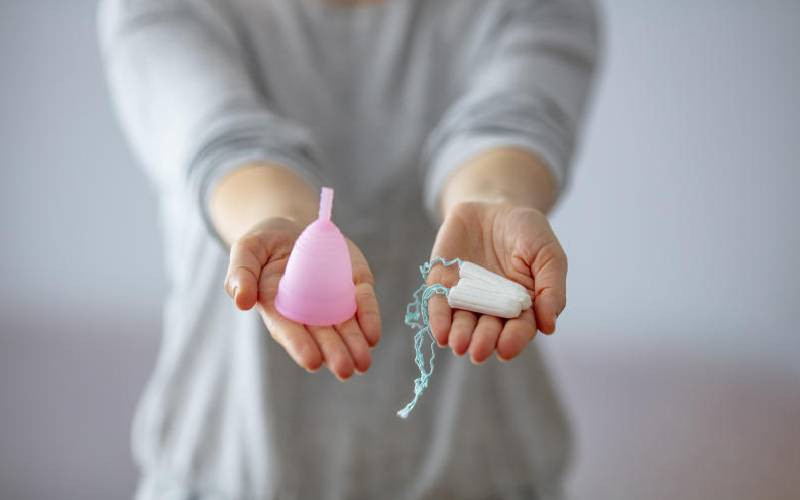
As the world prepares to mark Menstrual Hygiene Day on May 28, I reflect on the journey we have walked as the Gender Violence Recovery Centre (GVRC). For over two decades, we have championed preventive healthcare, reproductive wellness, gender-based violence recovery and psychosocial support for women and girls across Kenya.
Menstrual health is one of the most overlooked public health issues affecting women and girls in our society today. Women are suffering in silence because society has normalized painful periods or dismissed reproductive health concerns as “just part of being a woman’’. I believe no girl or woman should suffer or miss school, work or daily responsibilities because of painful periods.
It's high time as society that we move the conversation beyond the distribution of sanitary towels and confront the deeper realities surrounding menstruation. For many years, I have observed that menstrual health affects far more than hygiene. It affects education, confidence, mental wellbeing, productivity, and ultimately the future of girls and women in our country.
Conditions such as endometriosis, fibroids, and Polycystic Ovary Syndrome (PCOS) continue to go undiagnosed and untreated for far too long. These are not minor inconveniences. They affect fertility, emotional wellbeing, productivity, and quality of life. As healthcare providers and as a society, we must do better in listening to women, diagnosing these conditions early, and ensuring access to quality care.
This issue cuts to the very heart of the GVRC mandate. Menstrual health is directly bound to human dignity, psychosocial wellness, and the safety of our girls. When we fail to provide safe, confident menstrual management, we compromise a girl’s education, crush her self-esteem, and leave her dangerously vulnerable to exploitation.
This year’s Menstrual Hygiene Day reminds us that ending menstrual stigma requires more than products. We need to empower society with accurate information, access to safe and clean sanitation facilities, supportive healthcare systems, and environments where menstruation is discussed openly and without shame.
Let us endeavor to raise a generation of girls who understand their bodies with confidence. Equally, we must involve boys, parents, teachers, and the community at large in these conversations. Menstrual health cannot remain a silent issue discussed only among women. It is a societal issue that requires collective responsibility.
At GVRC, we remain steadfast in this fight. This Menstrual Hygiene Day, I challenge you to join us. Let us move beyond the pad, shatter the silence, and restore the dignity that every woman and girl rightfully deserves.
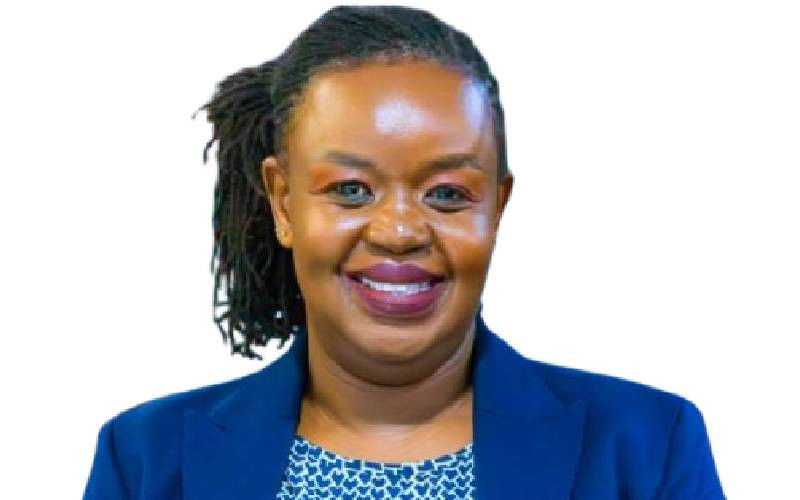
The writer is Founder, The Gender Violence Recovery Center and the Nairobi Women’s Hospital





 join
join