
 The Standard Group Plc is a multi-media organization with investments in media
platforms spanning newspaper print
operations, television, radio broadcasting, digital and online services. The
Standard Group is recognized as a
leading multi-media house in Kenya with a key influence in matters of national
and international interest.

Families raising children with serious medical conditions face financial strain and long journeys in search of specialised treatment as they navigate demanding healthcare needs.
Spina bifida and hydrocephalus affect the development and functioning of the brain, spine and nervous system. Children living with these conditions may need surgery, rehabilitation and medical attention throughout their lives.
For many parents, a diagnosis brings uncertainty about the cost of treatment, where to find specialised services and how to care for a child through a long period of medical intervention.
A study conducted at AIC Kijabe Hospital offers a glimpse of the burden. Researchers who reviewed 6,041 surgical records between 2005 and 2010 identified 1,184 cases of spina bifida and 88 cases of encephalocele. The study estimated a combined prevalence of 3.3 cases per 10,000 live births, rising to 6.9 per 10,000 in the former Rift Valley Province. The findings were hospital-based and do not represent a current national estimate.
Joyce Saringe was still a new mother when doctors told her that her two-month-old son, Lemayian Kashu, had hydrocephalus and needed urgent brain surgery. She did not know what the condition meant or how she would manage the treatment.
Her son was diagnosed with congenital hydrocephalus caused by aqueductal stenosis, a condition in which a narrow or blocked passage prevents the normal flow of cerebrospinal fluid, causing it to accumulate in the brain.
Like many families facing similar diagnoses, Joyce needed more than medical intervention. She also needed accommodation close to the hospital and support as she cared for her son through treatment.
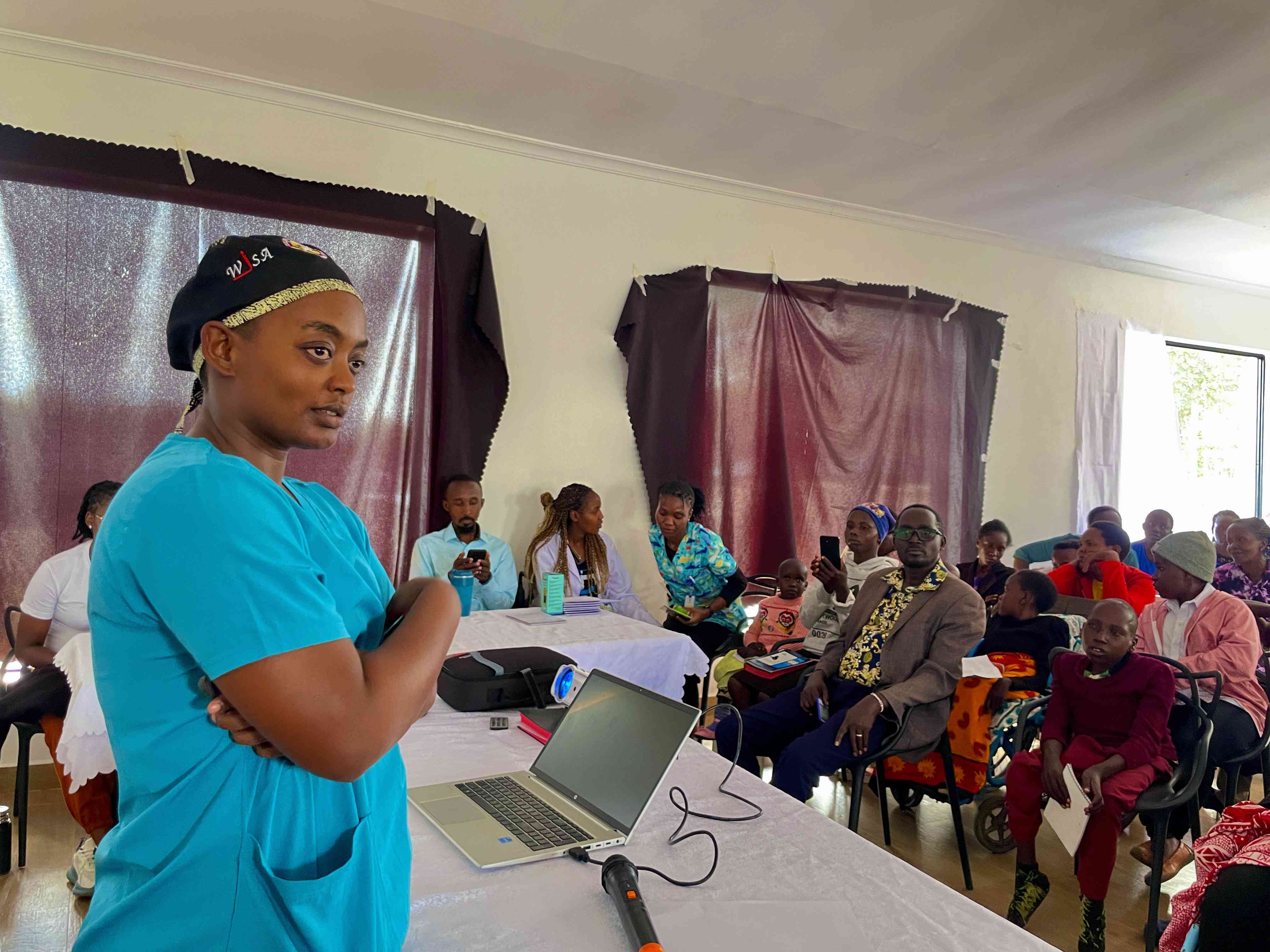
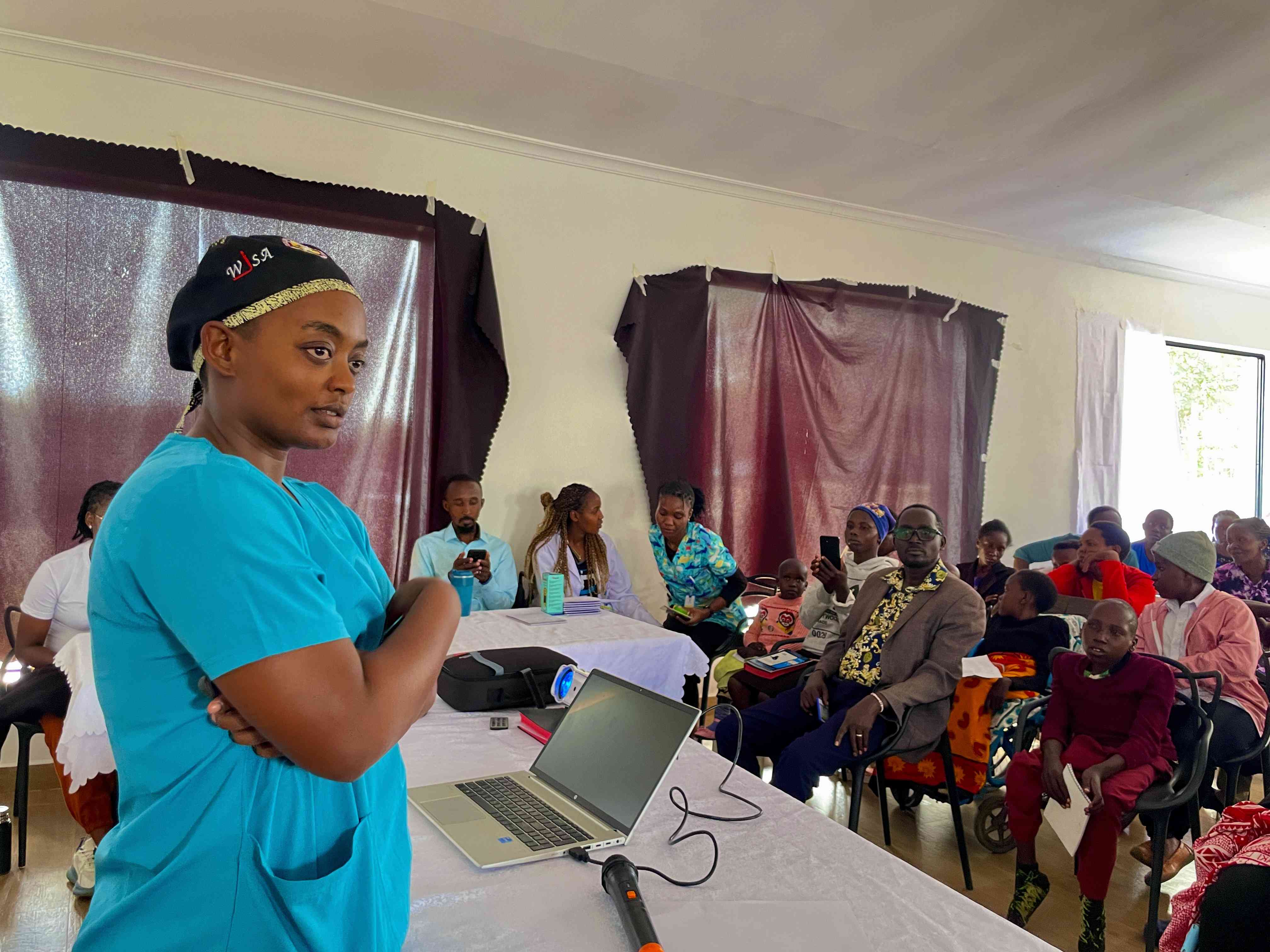
Her experience reflects some of the challenges discussed by hundreds of parents and caregivers who gathered at Mustard Seed House in Tenwek, Bomet County, for a two-day meeting organised by Faith Aid and its partners to mark World Spina Bifida and Hydrocephalus Day.
- Loice Mwende: Woman who sold her eggs to save son
Keep Reading
The gathering brought together families, healthcare professionals and young people living with the conditions for training, discussions and shared experiences. The theme was “A Lifetime of Experiences: From Preconception to Ageing”.
Faith Aid said the event was held two weeks after the annual World Spina Bifida and Hydrocephalus Day, marked on October 25. It gave families an opportunity to learn about the conditions, meet healthcare workers and exchange experiences with others facing similar challenges.
One of the barriers facing families is the cost of treatment, particularly when specialised neurosurgical services are far from home. Long distances, limited access to specialist care and the need for continued medical attention can make caring for an affected child difficult.
Dr Eyerusalem Bergene Banti, a consultant neurosurgeon at AGC Tenwek Hospital, said some families arrive at hospital after delays linked to financial constraints, long travel distances and limited access to specialised services.
“Meaningful engagement goes beyond bringing patients, caregivers, and healthcare professionals into the same room. It means creating an environment where families feel heard, respected, supported, and included in decisions about their children’s care,” she said.
For families seeking treatment at Tenwek and AIC Kijabe hospitals, accommodation can also be a challenge. Faith Aid operates Mustard Seed House homes near the two hospitals, offering families accommodation, meals, spiritual care and a support network while their children receive treatment.
The organisation said it opened its first Mustard Seed House near AGC Tenwek Hospital in early 2021. Through the homes and its Health Access for the Least (HEAL) Neurosurgery programme, it supports patients and caregivers, including families unable to afford treatment.
Faith Aid Chief Executive Officer Omega Kivaji said the support was intended to ensure children received care with dignity and that their families did not face the experience alone.
“These children are fearfully and wonderfully made, and they can become anything they set their hearts on in life. They should not be limited by how some people perceive them,” Kivaji said.
The organisation also recognised caregivers who shoulder much of the responsibility of looking after children with the conditions.
“Today we celebrate the unsung heroes: the caregivers who look after these children with SBH and carry them through every difficulty. They are our heroes, and today we celebrate them,” Kivaji added.
For Joyce, the support at Mustard Seed House has eased the demands of caring for her son during treatment. She said the accommodation, meals and interaction with other mothers had helped her understand his condition and cope with the experience.
“The trainings have helped me understand my son’s condition. Meeting other mothers caring for children like mine has encouraged me. We share our stories, learn from one another and remind each other that we are not alone,” she said.
She added: “Here I have been able to take good care of my son throughout his treatment. Mustard Seed House has made my work easier. We have food, we pray together, and we have found a family. Our journey has become much easier.”
Dr Banti said treatment for spina bifida and hydrocephalus does not end with surgery. Children may need rehabilitation, physiotherapy, urological care and regular medical reviews as they grow.
Spina bifida occurs when the spine and spinal cord do not develop properly during pregnancy, while hydrocephalus involves an accumulation of fluid in the brain. Treatment depends on the condition and the needs of each child.
For spina bifida, surgery can close the opening in the spine and protect exposed nerve tissue, although it cannot reverse damage that has already occurred. Hydrocephalus can be treated through procedures such as a ventriculoperitoneal shunt, which drains excess fluid, or endoscopic third ventriculostomy in suitable patients.
Dr Banti said one misconception was that surgery alone resolved all the challenges facing children with the condition.
“Our goal should not simply be to save a child’s life through surgery, but to ensure that the child has the best possible quality of life,” she noted.
She said babies with open spina bifida who are medically stable should ideally undergo surgical closure within 24 to 48 hours after birth. Early recognition and referral are also important for children showing signs of hydrocephalus.
These include an enlarging head, a bulging soft spot, poor feeding, vomiting and eyes turning downwards. Dr Banti urged maternity units and primary healthcare facilities to identify the signs and refer affected babies for specialised care.
“Early intervention gives these children a better opportunity to survive, develop, attend school, participate in society, and live with dignity,” she said.
For families such as Joyce’s, getting a child through surgery is one stage of a longer process that requires continued medical care, support for caregivers and access to services as the child grows.










 join
