
 The Standard Group Plc is a multi-media organization with investments in media
platforms spanning newspaper print
operations, television, radio broadcasting, digital and online services. The
Standard Group is recognized as a
leading multi-media house in Kenya with a key influence in matters of national
and international interest.
The Standard Group Plc is a multi-media organization with investments in media
platforms spanning newspaper print
operations, television, radio broadcasting, digital and online services. The
Standard Group is recognized as a
leading multi-media house in Kenya with a key influence in matters of national
and international interest.

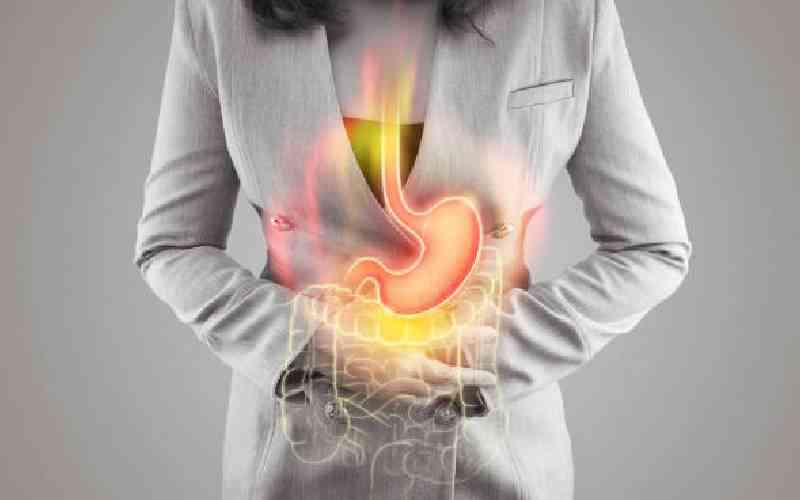
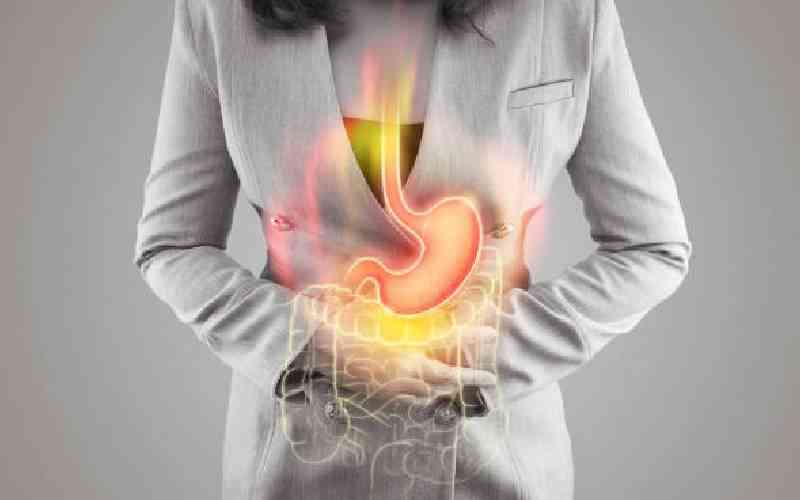
That burning feeling creeping from the stomach into the chest or throat is familiar to many people. When acid reflux happens repeatedly and becomes troublesome, it may be gastro-oesophageal reflux disease (GERD).
GERD occurs when stomach contents repeatedly flow back into the oesophagus, the tube carrying food from the mouth to the stomach. This happens when the lower oesophageal sphincter, a muscular valve that normally keeps stomach contents down, relaxes or becomes weak at the wrong time.
Repeated exposure to stomach contents can irritate the oesophagus and cause symptoms such as heartburn, regurgitation, chest discomfort, coughing or problems with swallowing.
Medicines can help control GERD, but everyday habits also matter. According to the National Institute of Diabetes and Digestive and Kidney Diseases (NIDDK), lifestyle measures such as changing eating habits, avoiding foods that trigger symptoms, leaving at least three hours between a meal and bedtime, and losing weight where appropriate can help manage GERD symptoms.
No single diet works for everyone with GERD. Research suggests that dietary and lifestyle changes can help reduce symptoms, although individual triggers vary. Certain foods or drinks may bring on reflux in some people while having little or no effect on others.
The practical approach is therefore to identify personal triggers while making simple changes that reduce the likelihood of reflux.
For people dealing with recurring symptoms, managing GERD is not necessarily about giving up every food they enjoy. It is about paying attention to what you eat, how much you eat, and what happens afterwards.
Here are four habits to ditch when managing GERD:
Go easy on greasy, fried foodsDeep-fried and high-fat foods can worsen symptoms in some people and may leave the stomach feeling full for longer. According to the NIDDK, high-fat foods are among those commonly associated with GERD symptoms. Instead of making every meal a fried affair, opt for leaner proteins and meals prepared with less oil.
Do not lie down after eatingGive your stomach time to do its work before hitting the bed or sofa. Staying upright allows gravity to help keep stomach contents down. People with GERD, particularly those who experience symptoms at night, should leave at least three hours between eating and lying down.
Watch the coffee, tea and fizzy drinksCaffeine-containing drinks, including coffee, some teas and some soft drinks, can trigger symptoms in certain people. Carbonated drinks may also increase bloating and discomfort. Rather than assuming every cup is a problem, take note of whether these drinks consistently set off your reflux. Identify and avoid foods and drinks that trigger your individual symptoms.
Do not turn dinner into a feastA stomach packed to the brim has more pressure pushing its contents upwards. Large meals may therefore worsen reflux, particularly when followed by lying down. Try smaller portions, avoid eating until uncomfortably full and be especially mindful of heavy meals late at night.













 join
join