
 The Standard Group Plc is a multi-media organization with investments in media
platforms spanning newspaper print
operations, television, radio broadcasting, digital and online services. The
Standard Group is recognized as a
leading multi-media house in Kenya with a key influence in matters of national
and international interest.
The Standard Group Plc is a multi-media organization with investments in media
platforms spanning newspaper print
operations, television, radio broadcasting, digital and online services. The
Standard Group is recognized as a
leading multi-media house in Kenya with a key influence in matters of national
and international interest.

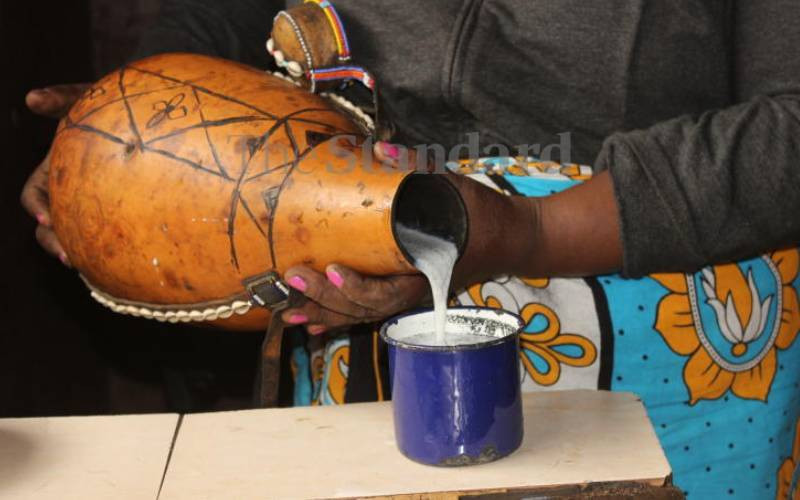
Mursik, a drink of choice in the Rift Valley, especially among the Kalenjin. [File, Standard]
Fermentation is a process in which microorganisms, such as bacteria and yeast break down complex carbohydrates and proteins into simpler, more digestible forms.
The process not only extends the shelf life of food but can also enhance its nutritional content. During fermentation, beneficial microorganisms produce vitamins and other compounds that may support human health.
As nutrition researchers, we undertook an in-depth assessment of fermented African foods and their potential to improve health cost-effectively. By understanding the diverse microbiomes present in indigenous fermented foods, we aim to explore how targeted dietary interventions could benefit human health.
Fermentation as a preservation method dates back thousands of years. In the Middle East, evidence of fermenting barley into beer and grapes into wine dates to between 2000 and 4000 BC. Milk was also fermented to produce yoghurt and other sweet and savoury products.
In Africa, fermented foods hold significant cultural and nutritional value, yet they remain under-researched. Most are prepared at household level, with practices varying across regions. The main ingredients include cereals, tubers and milk.
Many indigenous plants used in fermentation grow naturally and are often considered weeds in cultivated fields. These include amaranth, Bidens pilosa, cleome and Corchorus species. Greater availability of these indigenous foods could expand the range of commercially produced fermented African foods.
Consumption of fermented foods has declined in many African communities, partly due to refrigeration and waning interest in traditional foods. Fermented cassava and yam may improve kidney health and provide beneficial microorganisms.
Baobab and marula are commonly fermented, with fermentation enhancing protein and fibre. Fermented millet, maize, African rice and sorghum may help lower blood glucose, triglycerides and cholesterol.
Amahewu, a traditional fermented beverage made from sorghum or maize, is popular in South Africa and Zimbabwe. In Kenya, fermented cereal beverages such as uji are commonly made from millet and may be enriched with milk. Ghana has akasa, while Nigeria has ogi, a fermented cereal paste.
Fermented cereals can provide essential nutrients and may support metabolic and gut health. In Nigeria, fermented cereal beverages are also traditionally used to help manage diarrhoea in young children.
During fermentation of sour milk, bacteria convert lactose into lactic acid, giving the milk its characteristic tangy flavour.
In Kenya, kulenaoto is a traditional fermented milk drink, while South Africa produces amasi. Other countries have their own fermented dairy products.
Regular consumption of fermented sour milk may support weight management and reduce visceral fat, a risk factor for cardiovascular disease. Fermented milk can also help protect against folate deficiency.
African fermented foods could offer an affordable way to introduce beneficial microbes into the gastrointestinal tract, potentially reducing reliance on expensive probiotic products.
These traditions should be encouraged at household and commercial levels. Protecting indigenous plants through seed banks and introducing younger generations to traditional fermentation could help preserve both cultural heritage and potential health benefits.
- Authors Florence Malongane and Tendaiishe Berejena













 join
join