
 The Standard Group Plc is a multi-media organization with investments in media
platforms spanning newspaper print
operations, television, radio broadcasting, digital and online services. The
Standard Group is recognized as a
leading multi-media house in Kenya with a key influence in matters of national
and international interest.
The Standard Group Plc is a multi-media organization with investments in media
platforms spanning newspaper print
operations, television, radio broadcasting, digital and online services. The
Standard Group is recognized as a
leading multi-media house in Kenya with a key influence in matters of national
and international interest.

The Democratic Republic of Congo's Ebola outbreak is on the brink of a grim milestone, with the number of confirmed infections now standing at 2,994, just 6 cases shy of crossing the 3,000 mark as health authorities battle accelerating transmission in the country's northeast amid growing fears the virus could edge closer to Kenya through South Sudan.
The latest epidemiological update shows the outbreak continues to gather pace, with 97 new confirmed infections and 62 additional deaths reported in a single day, most of them recorded in Ituri Province, the epicentre of the epidemic.
The virus has also spread through North Kivu, Haut-Uélé, South Kivu and Tshopo, underscoring the difficulty of containing transmission in a region marked by insecurity, population displacement and intense cross-border movement.
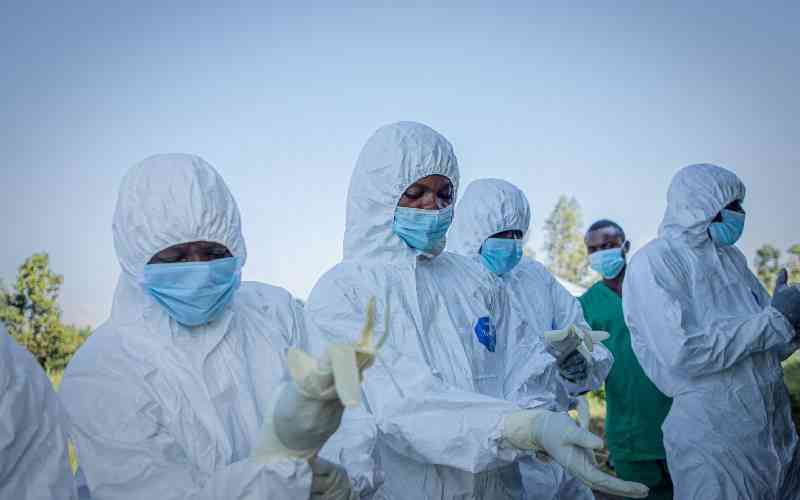
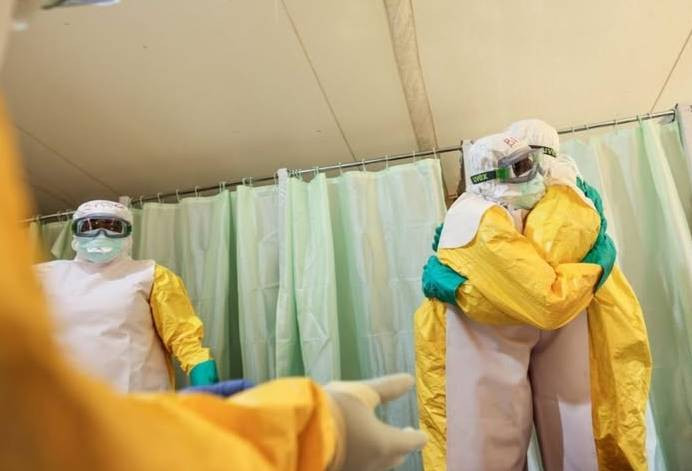
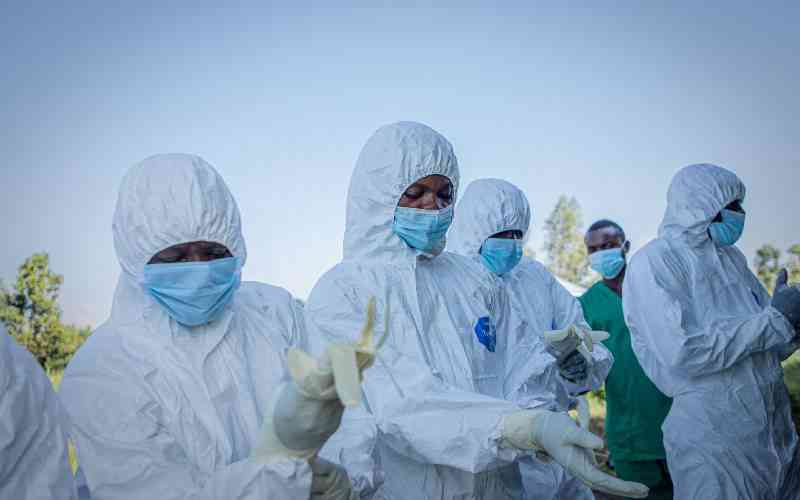
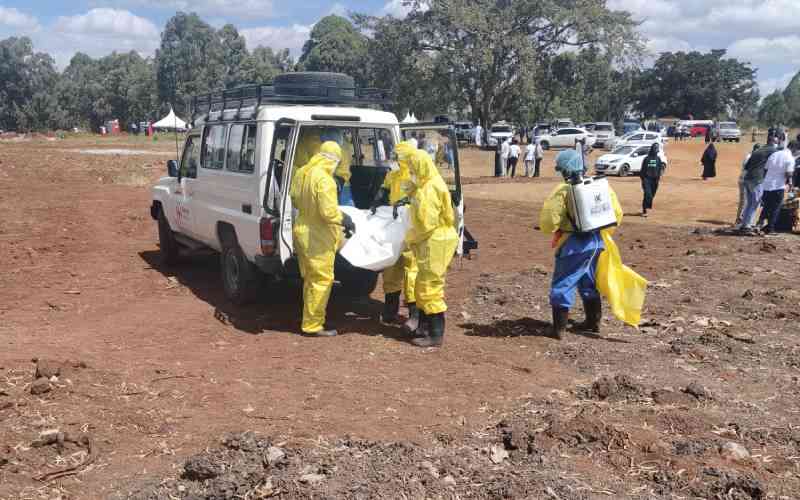
The World Health Organisation has repeatedly warned that the outbreak is unfolding in one of the most challenging humanitarian settings in recent years. The Bundibugyo strain responsible for the epidemic currently has no licensed vaccine or specific treatment, forcing response teams to rely heavily on rapid case detection, isolation, contact tracing and community engagement to interrupt transmission.
What is increasingly worrying public health experts is not only the rising number of infections but also the northward trajectory of transmission, bringing affected areas closer to South Sudan.
International health agencies say South Sudan remains at very high risk because of its porous borders with both the DRC and Uganda, frequent informal crossings and fragile healthcare system.
Humanitarian movements, refugee flows and cross-border trade continue to create opportunities for infected individuals to travel before symptoms are recognised.
The US Centres for Disease Control and Prevention (CDC) says frequent population movement significantly increases the risk of Ebola spreading beyond the DRC, particularly into South Sudan, Uganda and neighbouring countries if surveillance and border screening are weakened.
- Duale: No Ebola in Kenya as DRC outbreak kills 88, reaches Uganda
- Ebola at the gates: Why Kenya must stay alert and not panic.
- Ebola may be spreading far beyond official count, WHO warns
- South Sudan intensifies preparedness as DRC Ebola outbreak surges
Keep Reading
For Kenya, the developments carry particular significance.
Although the country has not reported any Ebola cases, health experts have consistently identified Kenya among countries at elevated regional risk because of its transport links, humanitarian operations and commercial connections with affected countries.
Should transmission become established in South Sudan, Kenya's Turkana County, which shares a long and busy border with the world's youngest nation, would become one of the country's most important frontline surveillance zones.

The Nadapal-Lokichoggio corridor serves as a critical route for cargo, humanitarian agencies, refugees and traders moving between the two countries, making early detection systems and cross-border surveillance essential in preventing importation.
The WHO says neighbouring countries are strengthening preparedness by enhancing surveillance, training healthcare workers, improving laboratory capacity and reinforcing screening at points of entry as part of a coordinated regional response.
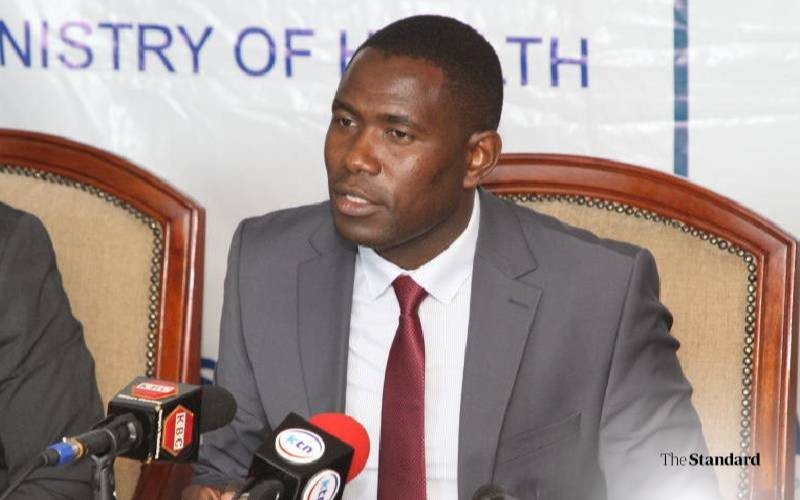
Kenya has already activated parts of its preparedness plan, including heightened surveillance at ports of entry, rapid response teams and isolation capacity in counties considered most vulnerable to importation because of international travel and land border movements.
Public health officials, however, caution that preparedness must remain dynamic.
The movement of the outbreak towards South Sudan would place additional pressure on counties bordering the country, particularly Turkana, where surveillance would need to be intensified alongside community awareness campaigns and infection prevention measures.
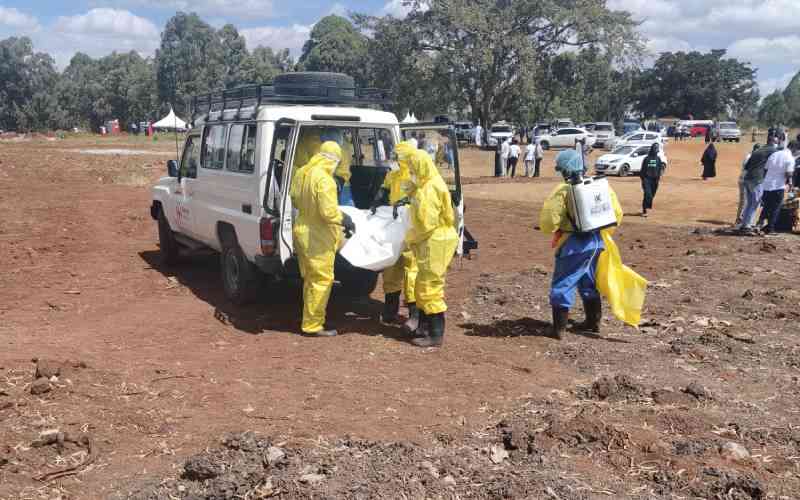
Despite the growing numbers, health agencies stress that Ebola is not spread through the air. The virus is transmitted through direct contact with the blood or other bodily fluids of an infected person or contaminated materials, making rapid identification and isolation of cases critical to stopping outbreaks.
With nearly 3,000 confirmed cases now recorded, the coming weeks are expected to be crucial.
If transmission in the DRC continues unchecked and moves further north, regional health authorities fear the outbreak could become an even greater cross-border emergency, placing neighbouring countries including Kenya under increased pressure to detect and contain any imported infections before local transmission can occur.







 join
join