
 The Standard Group Plc is a multi-media organization with investments in media
platforms spanning newspaper print
operations, television, radio broadcasting, digital and online services. The
Standard Group is recognized as a
leading multi-media house in Kenya with a key influence in matters of national
and international interest.
The Standard Group Plc is a multi-media organization with investments in media
platforms spanning newspaper print
operations, television, radio broadcasting, digital and online services. The
Standard Group is recognized as a
leading multi-media house in Kenya with a key influence in matters of national
and international interest.

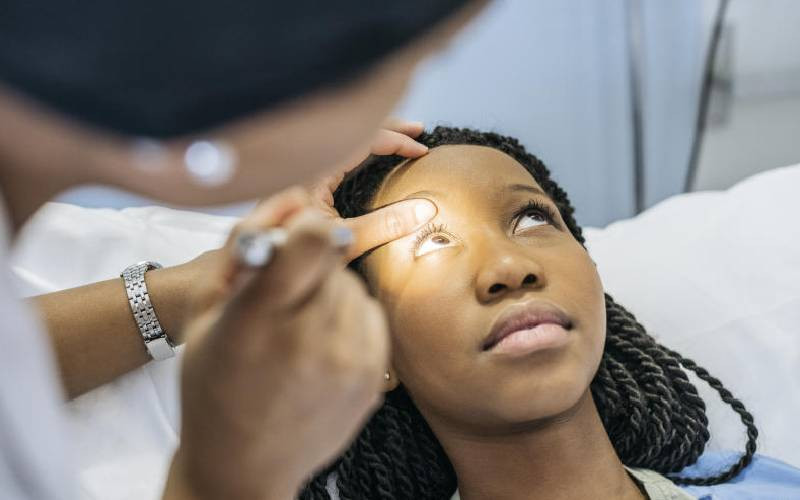
Trachoma is silently blinding nomadic communities in Samburu County, with a recent tour revealing just how widespread the disease has become.
Many residents point to the practice of sharing living spaces with domestic animals as a major factor.
"The high prevalence of trachoma in Kajiado, Laikipia, Samburu, and Narok counties is largely linked to families sheltering animals indoors," said a nurse at Maralal Level Four Hospital, speaking on condition of anonymity.
Trachoma, one of the world's leading causes of preventable blindness, begins with inflammation of the conjunctiva and cornea.
Samburu is the worst affected among the nomadic counties, with around 35 per cent of residents showing early signs of the disease.
At risk population
A 2022 Demographic and Health Survey, conducted by the Ministry of Health in collaboration with the University of Nairobi, the Africa Medical Research Foundation (AMREF), the Kenya Medical Research Institute (KEMRI), and the Kenya Society for the Blind, revealed that six per cent of Samburu's population is at risk of going blind.
The survey also identified disease hotspots needing urgent attention, including Ludong'okwe, Serolipi, and Latakwen.
"Children are particularly susceptible to trachoma infection, which progresses slowly. Painful symptoms may not appear until adulthood," the nurse said.
The findings have raised concern among education officials. Justus Ole Nakula, an official with the Ministry of Education in Samburu, said the ministry is urging pupils and students to inform their parents and communities about preventive measures.
High standards of hygiene are critical in preventing trachoma. Practices, such as regular face washing and keeping faces clean can help break the cycle of reinfection.
Controlling flies, reducing their population or using insecticides, can eliminate a major source of transmission. Proper waste management, including the disposal of human and animal waste, prevents breeding grounds for flies.
Personal hygiene
Improving access to clean water is also essential. Providing fresh water in endemic areas allows communities to maintain better hygiene. "Community engagement and county government interventions are crucial for effective prevention and control of the disease," the nurse said.
Experts emphasise the urgent need for improved water quality and personal hygiene. Trachoma, the leading cause of blindness after cataracts, is caused by the bacterium Chlamydia trachomatis. Early symptoms include slight eye discharge, swollen eyelids, and sensitivity to light.
If untreated, trachoma can progress and ultimately cause blindness. According to Dr J. Kandabhai Patel, an ENT specialist affiliated with the Hindu Council of Kenya, Chlamydia trachomatis is an intracellular bacterium capable of causing a range of infections, including genital infections, neonatal pneumonia, and eye disease.
"It is a contagious bacterial eye infection that can damage eyelids and cause blindness, making it the world's leading infectious cause of vision loss," Dr Patel said.
The infection spreads through contact with eye or nasal discharge via hands, clothing, surfaces, and flies, especially in areas with poor sanitation. Left untreated, it can cause irritation, pain, and eyelash misalignment (trichiasis), which leads to blindness.
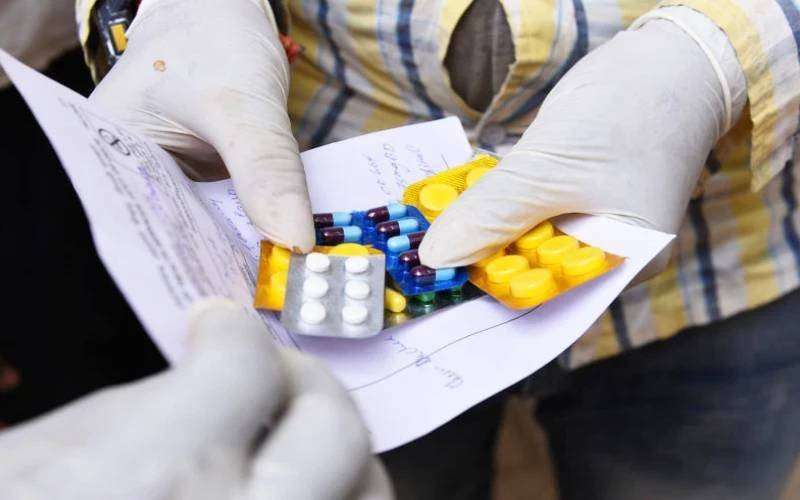
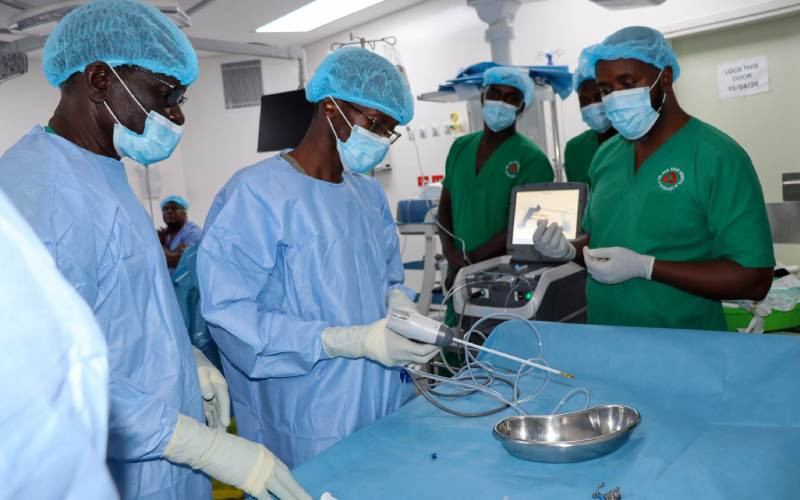
For prevention, family members and household contacts should be screened, and anyone infected must seek treatment promptly. The condition is curable with antibiotics if detected early, although advanced cases may require surgery.
The global strategy revolves around surveys, facial cleanliness, environmental improvements, and antibiotic treatment with azithromycin. "Improved access to clean water and hygiene will help endemic communities remain free from trachoma," experts note.










 join
join