
 The Standard Group Plc is a multi-media organization with investments in media
platforms spanning newspaper print
operations, television, radio broadcasting, digital and online services. The
Standard Group is recognized as a
leading multi-media house in Kenya with a key influence in matters of national
and international interest.
The Standard Group Plc is a multi-media organization with investments in media
platforms spanning newspaper print
operations, television, radio broadcasting, digital and online services. The
Standard Group is recognized as a
leading multi-media house in Kenya with a key influence in matters of national
and international interest.

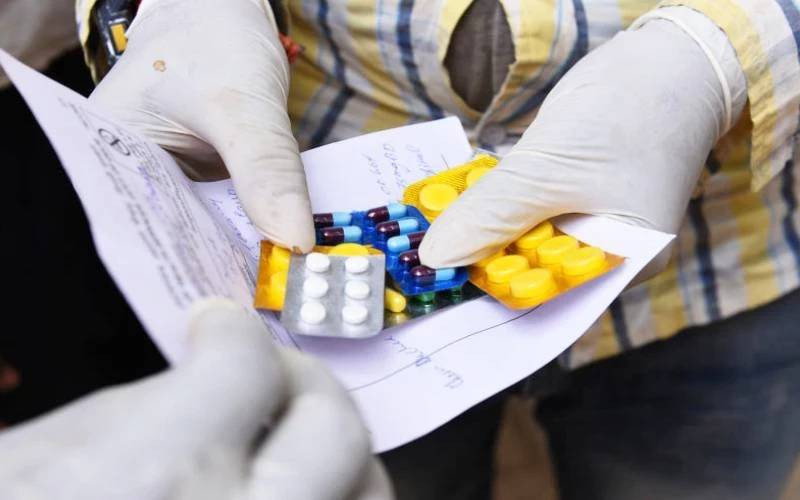
Kenya is seeking to expand its pharmaceutical manufacturing base and tap the wider East African market as manufacturers, regulators and investors prepare to meet at a continental healthcare manufacturing summit in Nairobi.
The push comes as the country seeks to increase local production of essential medicines and medical supplies while reducing reliance on imports, with regional regulatory harmonization and access to capital emerging as key requirements for the industry.
The third African Healthcare Manufacturing Trade Exhibition and Conference (AHMTEC) 2026 will bring together pharmaceutical manufacturers, policymakers, regulators, investors and other industry players to explore opportunities for expanding production and cross-border trade.
The discussions are expected to focus on how Kenya and other African countries can move from policy commitments to commercially viable manufacturing enterprises capable of supplying both domestic and regional markets.
Kenya's push is anchored in the target of producing at least 50 per cent of essential health products locally by 2026 and the Ministry of Health's Local Manufacturing Strategy 2026–2030.
The strategy seeks to encourage domestic pharmaceutical companies to move beyond basic fill-finish operations towards more complex and higher-value manufacturing.
For manufacturers, however, expanding production will require access to larger markets to make investments commercially sustainable.
- Africa's pharma future starts with regulation
Keep Reading
This has placed regional integration and regulatory harmonisation at the centre of efforts to strengthen Kenya's pharmaceutical industry.
A key issue expected to dominate the summit is the harmonisation of medicine regulation through the African Medicines Agency (AMA), which could simplify product approvals and reduce barriers for pharmaceutical companies seeking to sell across African markets.
The discussions will also examine opportunities to expand local production of active pharmaceutical ingredients (APIs) and diagnostics, areas considered critical to reducing vulnerabilities in medical supply chains.
“AHMTEC brings manufacturers, regulators, policymakers, and investors into one room to bridge the gap between industrialization and commercial success,” said Ann-Marie Hosang-Archer, chair of the AHMTEC Secretariat.
“People come here to make deals, challenge norms that are not working, influence policy, share what has and has not worked, and build the solutions that move African manufacturing forward.”
The summit will seek to connect manufacturers with investors and buyers while examining mechanisms that can help African pharmaceutical companies scale production.
The programme will be organized around two implementation tracks Industrialise and commercialise.
The Industrialise track will focus on policy and investment incentives, regulatory harmonization and development of local API manufacturing capacity.
The Commercialize track will examine enterprise readiness, pooled procurement and product portfolio strategies aimed at creating sustainable markets for locally manufactured health products.
Industry players will also use the African Manufacturing Market Intelligence & Network Analysis (AMMINA) database to identify potential business and trade partnerships.
The platform currently tracks more than 750 health manufacturers and over 2,500 products across the continent, providing market intelligence that can help connect manufacturers with potential regional opportunities.
AHMTEC has previously been used as a platform for major healthcare manufacturing initiatives, including the launch of Unitaid's $50 million regional manufacturing portfolio targeting essential HIV, malaria and maternal health treatments.
The conference also hosted the rollout of the AMMINA database.
Organisers say the 2026 edition will build on commitments made during the previous conference, with stakeholders expected to announce new partnerships and initiatives aimed at strengthening Africa's healthcare manufacturing capacity.
For Kenya, access to the wider regional market could provide manufacturers with the scale needed to justify investment in more sophisticated production facilities.
The summit is therefore expected to bring together industrial policy and commercial considerations, including how regulatory systems, procurement practices, financing and regional trade can work together to create a stronger market for locally produced medicines and medical supplies.
AHMTEC 2026 will be co-hosted by the Federation of African Pharmaceutical Manufacturers Associations (FAPMA), Vizuri Health Dynamics and EPMSMISA, in partnership with Health 4 Development, under the theme “Industrialize to Commercialize.”









 join
join