
 The Standard Group Plc is a multi-media organization with investments in media
platforms spanning newspaper print
operations, television, radio broadcasting, digital and online services. The
Standard Group is recognized as a
leading multi-media house in Kenya with a key influence in matters of national
and international interest.
The Standard Group Plc is a multi-media organization with investments in media
platforms spanning newspaper print
operations, television, radio broadcasting, digital and online services. The
Standard Group is recognized as a
leading multi-media house in Kenya with a key influence in matters of national
and international interest.

By Antony Gitonga
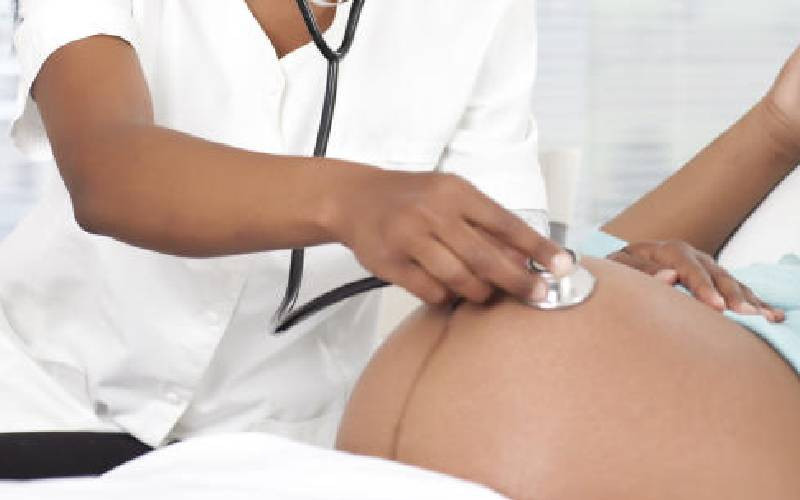
Naivasha, Kenya: Two out of ten women attend antenatal clinics in the first three months of pregnancy National Aids & STI control programme (NASCOP) has said.
With the country recording 1.5 million pregnant women annually, the number however, rises to five women in 10 who attend the clinics by seven months of the pregnancy.
This emerged at the end of a two-day workshop for members of the Kenya Women Parliamentary Association (KEWOPA) at a Naivasha hotel.
The workshop whose theme was on the elimination of mother to child transmission came amid reports that Kenya was ranked fourth in the world on the number women with HIV/Aids.
According to Dr Martin Sirengo from NASCOP, prevention of mother to child transmission was faced by various challenges.
He pointed out stigma and discrimination, weak community linkages, preference to home deliveries and social cultural beliefs as hindrance to antenatal clinics.
“Many men do not know what goes on in ante-natal clinics and only two out of ten women in the country attend these clinics in the first three months of pregnancy,” he said.
On the number of women with HIV/Aids, Sirengo said that Kenya was ranked fourth in the world with Nigeria leading. During the workshop, members of KEWOPA expressed concern over budgetary allocation in the fight towards HIV Aids.
According to data from NASCOP, 87 per cent of the funds to fight the scourge came from donors while the remaining came from the State.
Of the amount, 90 per cent went to treatment while ten per cent was allocated to prevention of the disease.







 join
join