
 The Standard Group Plc is a multi-media organization with investments in media
platforms spanning newspaper print
operations, television, radio broadcasting, digital and online services. The
Standard Group is recognized as a
leading multi-media house in Kenya with a key influence in matters of national
and international interest.
The Standard Group Plc is a multi-media organization with investments in media
platforms spanning newspaper print
operations, television, radio broadcasting, digital and online services. The
Standard Group is recognized as a
leading multi-media house in Kenya with a key influence in matters of national
and international interest.


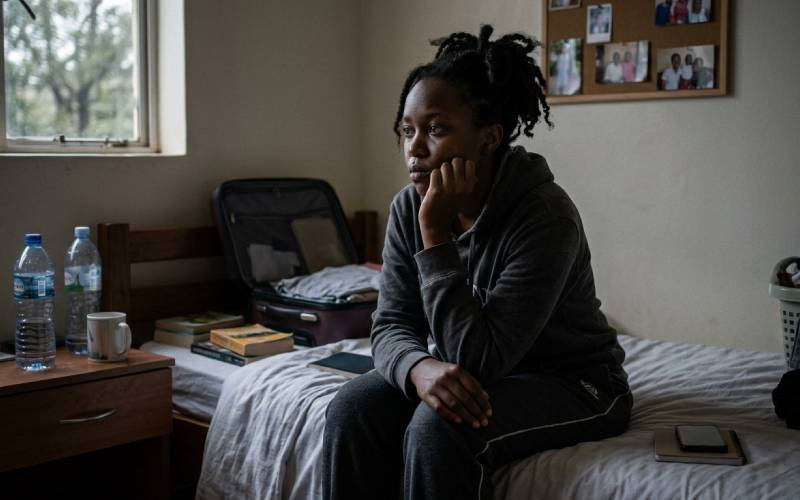
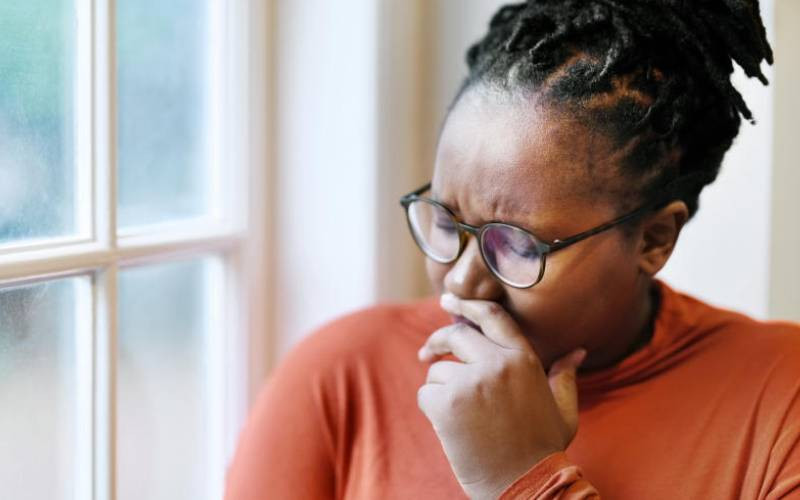
Facing profoundly difficult life situations, such as a job loss, health crisis, or a complex legal battle, can trigger the instinct to retreat and manage that elephant in complete solitude. If that describes you, you’re not alone.
This deliberate attempt to solve personal matters entirely alone is often motivated by a desire for self-sufficiency, a fear of burdening loved ones or a need to maintain a facade of control and strength.
Whatever the case may be, this habit can certainly cultivate short-term emotional endurance, sure, but it raises significant questions regarding long-term psychological health and adaptive coping.
While successfully navigating a crisis alone can momentarily boost self-efficacy, the overall effect of persistent isolation is often detrimental. Humans are fundamentally social beings and the act of consistently suppressing the natural need for connection and emotional co-regulation places an immense burden on your nervous system.
Bearing the full weight of stress and cognitive overload alone can lead to a prolonged state of hypervigilance, emotional exhaustion and an elevated risk for developing significant mental health issues like generalised anxiety disorder and major depressive disorders.
On top of that, making complex decisions by yourself often leads to poorer problem-solving outcomes.
Social connectionContrary to what you may be thinking, that keeping problems to yourself preserves your strength, you are actually forfeiting one of the most powerful and scientifically validated resources for resilience, which is social connection.
Dr Brené Brown, a leading research professor in areas of vulnerability, shame and courage, argues that human connection is necessary for survival.
- How can I help my kids build stronger social skills?
- Money talk at the dinner table: Teach children value
- How to prepare your toddler for a new sibling
- Teaching kids to choose the right company early
Keep Reading
She says that vulnerability, the willingness to show up and be seen when we cannot control the outcome, is not weakness but the most accurate measure of courage.
When you refuse to share your struggles, you are essentially closing off the channels for empathy and emotional validation, thus intensifying the shame and isolation that fuel mental distress.
What you want to do in this case is to shift from pure self-reliance to selective interdependence. You must maintain personal accountability for solving problems while also strategically opening yourself to emotional support.
Set boundaries regarding what you can handle alone and what can be delegated or shared. This way, you will be able to get the support and help you need when you’re most vulnerable.












 join
join