
 The Standard Group Plc is a multi-media organization with investments in media
platforms spanning newspaper print
operations, television, radio broadcasting, digital and online services. The
Standard Group is recognized as a
leading multi-media house in Kenya with a key influence in matters of national
and international interest.
The Standard Group Plc is a multi-media organization with investments in media
platforms spanning newspaper print
operations, television, radio broadcasting, digital and online services. The
Standard Group is recognized as a
leading multi-media house in Kenya with a key influence in matters of national
and international interest.


Tallow is rendered fat, traditionally made from suet, the hard, nutrient-rich fat found around the kidneys and loins of cattle or sheep. Unlike raw fat, rendered tallow is purified by removing water and proteins, creating a clean, shelf-stable fat with a high smoke point.
Historically used in both kitchens and workshops, tallow is valued for its versatility. It creates exceptionally crispy textures in cooking and is also popular in skincare and candle-making because of its moisturising properties and stability.
The wet rendering method produces a cleaner, milder tallow because the water helps regulate temperature, prevents burning, and draws out impurities.
Here is a simple guide to making tallow using the wet method:
Buy suet from your local butchery and have it minced. Smaller pieces render faster and more efficiently. Chill the fat first, as cold fat is easier to handle.
Place the prepared fat into a large pot over a traditional jiko or in a slow cooker. Add enough water to cover the bottom of the pot by about an inch (roughly 2 cups of water for every 2 kg of fat).
Let the fat simmer gently. This is the rendering phase, where the liquid fat separates from the connective tissue. Stir occasionally to prevent sticking. The process can take 4 to 8 hours and is complete when the cracklins have shrunk, turned lightly golden, and the liquid appears clear with a yellow tint.
Pour the hot mixture through a metal strainer into a large heat-proof glass bowl or stainless-steel pot. Let it cool at room temperature for about an hour, then refrigerate until fully solid.
- Natural does not mean safe: Experts warn against risks linked to raw milk
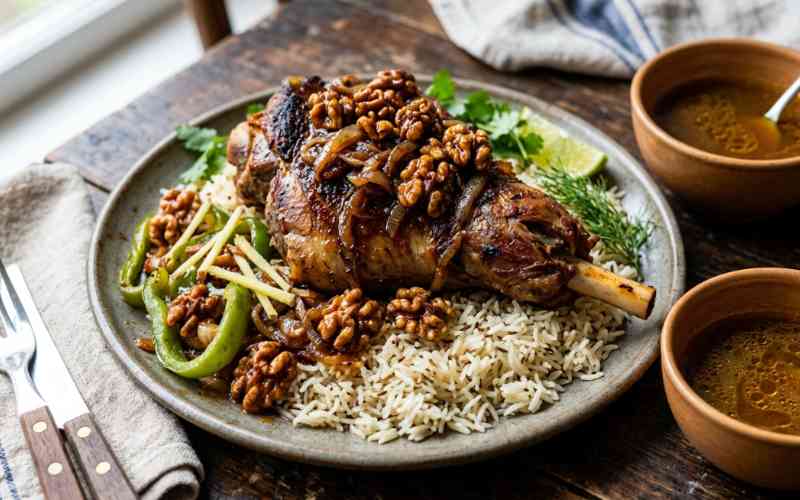
- Easy recipe: Pepper-roasted lamb chunks
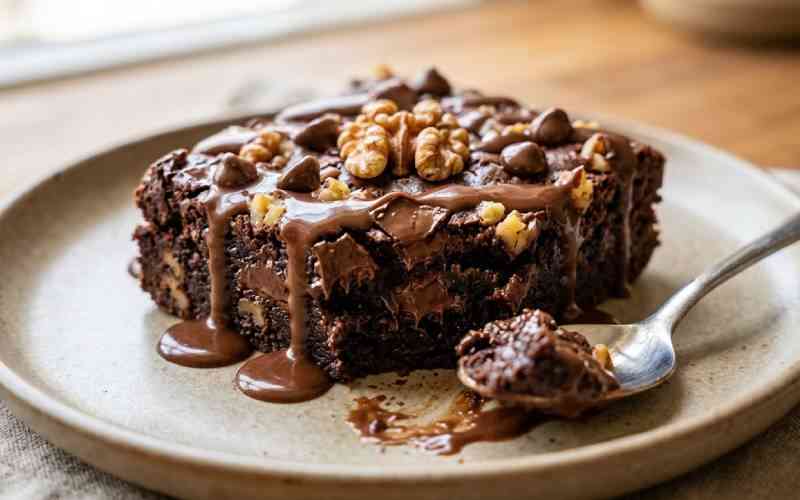
- Carrot pudding cake with cream cheese frosting
- Cocktail bar: The monkey shoulder
Keep Reading
The fat will rise and harden into a white disc. Remove it, discard the dirty water underneath, and scrape off any brown residue from the bottom.
Return the cleaned fat disc to a dry pot over low heat and simmer gently. Tiny bubbles indicate remaining water evaporating. Once the bubbling stops, the tallow is fully purified.
While still warm, strain the liquid tallow into clean glass jars. Seal with lids and leave undisturbed until the tallow cools into an opaque, creamy white solid.









 join
join