
 The Standard Group Plc is a multi-media organization with investments in media
platforms spanning newspaper print
operations, television, radio broadcasting, digital and online services. The
Standard Group is recognized as a
leading multi-media house in Kenya with a key influence in matters of national
and international interest.
The Standard Group Plc is a multi-media organization with investments in media
platforms spanning newspaper print
operations, television, radio broadcasting, digital and online services. The
Standard Group is recognized as a
leading multi-media house in Kenya with a key influence in matters of national
and international interest.

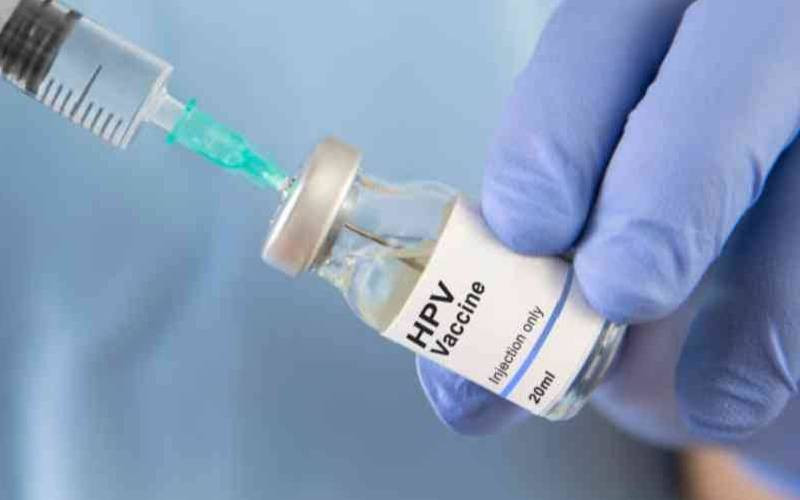
Kenya has recorded an increase in human papillomavirus (HPV) vaccination among adolescent girls, marking one of the country's strongest gains in routine immunisation as global health agencies warn that millions of children worldwide are still missing life-saving vaccines.
New estimates released by the World Health Organisation (WHO) and UNICEF show that 472,845 adolescent girls received at least one dose of the HPV vaccine between January and June 2026, up from 258,698 during the same period last year.
The increase of more than 80 per cent reflects intensified efforts by the Ministry of Health, with support from UNICEF, WHO and other partners, to protect girls against cervical cancer.
The latest estimates indicate that 69 per cent of eligible adolescent girls in Kenya have now received at least one dose of the HPV vaccine, highlighting steady progress in expanding access to one of the country's most important cancer prevention programmes.
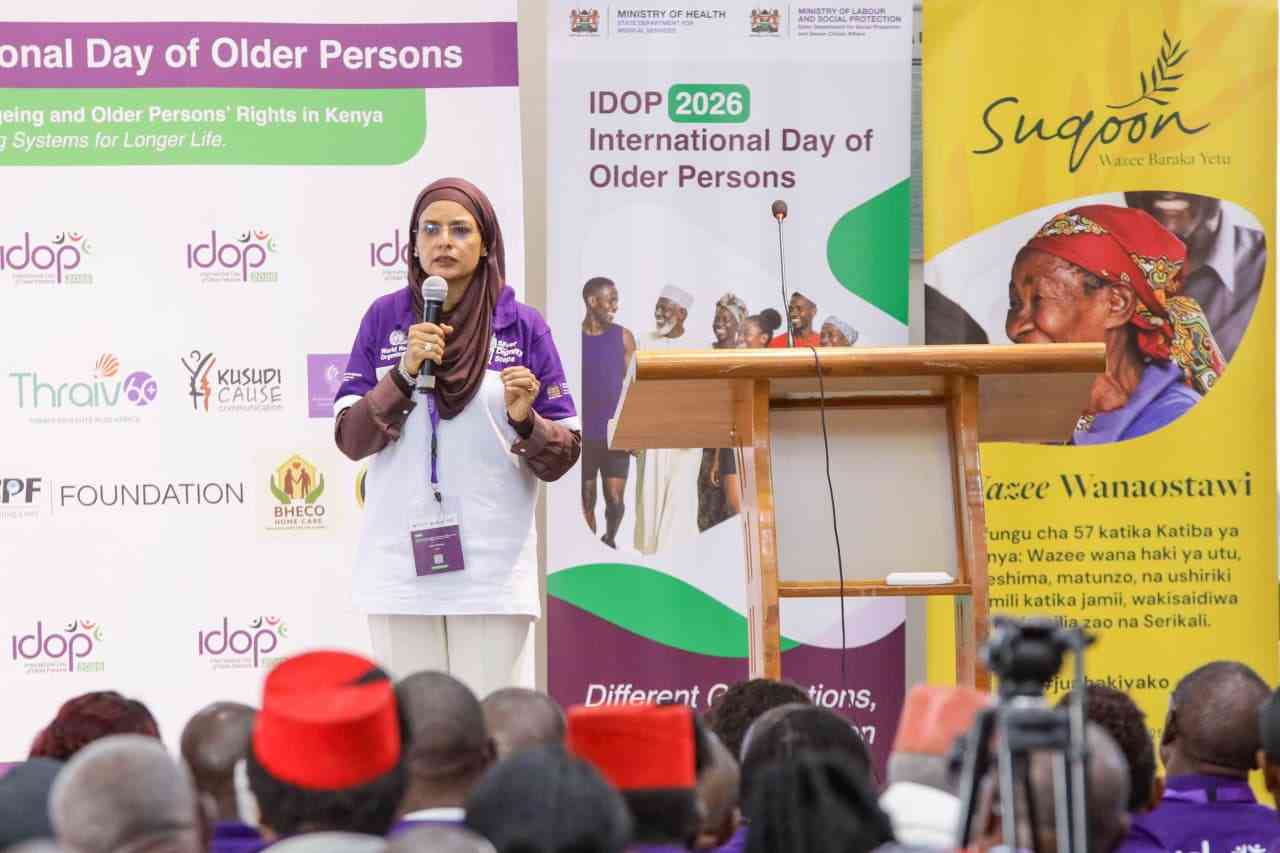
UNICEF Representative to Kenya, Dr Shaheen Nilofer, welcomed the gains but said more work is needed to ensure every child benefits from routine immunisation.
"Immunisation is every child's right. While we celebrate the success of the expansion of HPV vaccination in Kenya, it also serves as a challenge to redouble our efforts and close the gap to reach zero-dose children," she said.
The findings are contained in the latest WHO-UNICEF Estimates of National Immunisation Coverage (WUENIC), which track routine vaccination performance in nearly every country.
- DRC Ebola outbreak nears 4,000 cases as transmission outpaces response
- WHO chief in DR Congo for talks on Ebola reponse
- DR Congo Ebola outbreak 'far from being under control': WHO chief
- As US shifts vaccine policy, WHO urges Kenya not to change course
Keep Reading
Globally, the report shows childhood immunisation continues to recover gradually after setbacks experienced during the COVID-19 pandemic. In 2025, about 116 million infants equivalent to 90 per cent of the world's children received at least one dose of the diphtheria, tetanus and pertussis (DTP) vaccine. Approximately 110 million infants, or 85 per cent, completed the recommended three-dose schedule.
Despite the improvement, global vaccination coverage has yet to return to pre-pandemic levels, with progress slowing in many regions because of conflict, displacement, vaccine hesitancy and funding constraints.
The report estimates that 13.5 million children worldwide remained completely unvaccinated during their first year of life in 2025. Although this represents a reduction of nearly 750,000 zero-dose children compared with the previous year, health agencies caution that the pace of progress remains too slow.
Kenya continues to face its own challenge, with an estimated 135,000 children still classified as zero-dose, meaning they did not receive a single routine vaccine during infancy. The figure has remained largely unchanged over the past year, underscoring the need to reach children in underserved communities.
The country, however, is edging closer to the global benchmark for routine childhood vaccination. According to the report, 88 per cent of eligible Kenyan children completed the three-dose DTP vaccination schedule in 2025, just below the internationally recommended target of 90 per cent.
WHO Director-General Tedros Adhanom Ghebreyesus said immunisation remains one of the most effective investments countries can make in protecting children's health.
"Every child, whether born into wealth or poverty, peace or conflict, deserves the life-saving protection that vaccines provide. Immunisation remains one of the most cost-effective and equitable public health interventions available," Dr Ghebreyesus said.
The report also raises concern over stalled measles vaccination. Worldwide, only 84 per cent of children received the first dose of the measles vaccine, while 77 per cent completed the second dose well below the 95 per cent coverage needed to prevent outbreaks. As a result, 57 countries experienced large or disruptive measles outbreaks during 2025.
Health agencies are also warning that reductions in international health financing could undermine recent gains. They are urging governments to maintain investment in immunisation programmes, strengthen disease surveillance systems and counter misinformation that discourages vaccine uptake.





 join
join