
 The Standard Group Plc is a multi-media organization with investments in media
platforms spanning newspaper print
operations, television, radio broadcasting, digital and online services. The
Standard Group is recognized as a
leading multi-media house in Kenya with a key influence in matters of national
and international interest.
The Standard Group Plc is a multi-media organization with investments in media
platforms spanning newspaper print
operations, television, radio broadcasting, digital and online services. The
Standard Group is recognized as a
leading multi-media house in Kenya with a key influence in matters of national
and international interest.


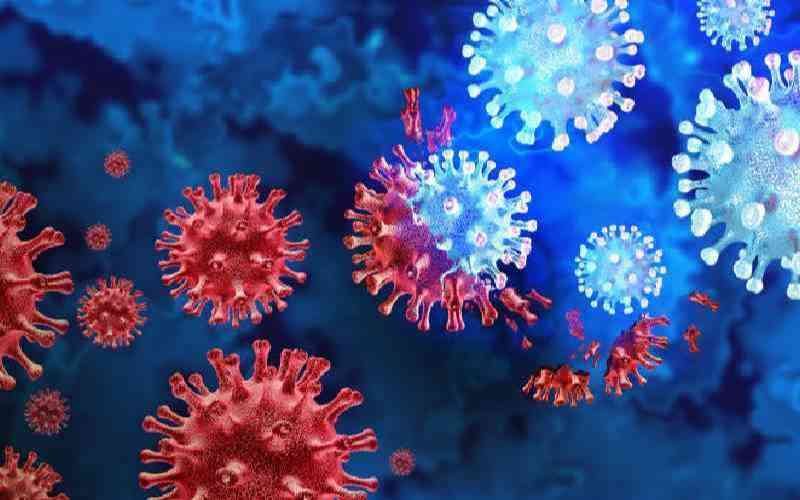
This week, coronavirus cases in the world have hit 183, 737 and 7,177 deaths leading to widespread panic about the spread of the virus.
Coronavirus is known to have several nasty symptoms, ranging from a fever to breathing difficulties.
However, COVID-19 also shares many characteristics with the common cold, making it tricky to know if you have it.
Now that the virus has been around for several months, scientists have been able to produce a day-by-day breakdown of the typical symptoms and when they present for most patients.
A recent study of 138 patients at the Zhongnan Hospital of Wuhan University identified a typical pattern of symptoms associated with the disease.
It revealed that around 99 per cent of patients develop a high temperature, while more than half experience fatigue and a dry cough. Meanwhile, about a third also experience muscle pain and difficulty breathing.
The illness can be split into two main phases - phase one, which typically lasts seven days, and phase two, which lasts a further two weeks.
Thankfully, 85 per cent of patients will only experience phase one, with just one-in-seven patients suffering a full three weeks of symptoms.
Here’s a day-to-day breakdown of coronavirus symptoms, including when they appear and what you should do if you experience them.
Day 1Most patients infected with the virus first present with a fever, but may also experience fatigue, muscle pain and a dry cough.
A very small minority may also experience nausea or diarrhoea for one or two days.
Day 2By day two, it’s likely that fatigue will start to kick in, leaving you feeling very tired.
Day 7Day 7 marks the end of phase one, meaning that for 85 per cent of patients, symptoms will start to diminish.
If you live alone and feel better, and your fever has gone, you can now return to work.
If you live with others, you may be advised to continue your isolation for another seven days to ensure that they are also clear of the virus.
However, if you’ve developed breathing problems by day seven, you may be one of the few patients to enter phase two of the disease.
Some patients may need to be hospitalised at this point.
Day 17Death from coronavirus usually occurs by around day 17, although it’s important to note that the death rate is currently just 1-2 per cent.
Day 21By day 21, even severe coronavirus cases should be under control, and you should be able to return to work.








 join
join