
 The Standard Group Plc is a multi-media organization with investments in media
platforms spanning newspaper print
operations, television, radio broadcasting, digital and online services. The
Standard Group is recognized as a
leading multi-media house in Kenya with a key influence in matters of national
and international interest.
The Standard Group Plc is a multi-media organization with investments in media
platforms spanning newspaper print
operations, television, radio broadcasting, digital and online services. The
Standard Group is recognized as a
leading multi-media house in Kenya with a key influence in matters of national
and international interest.

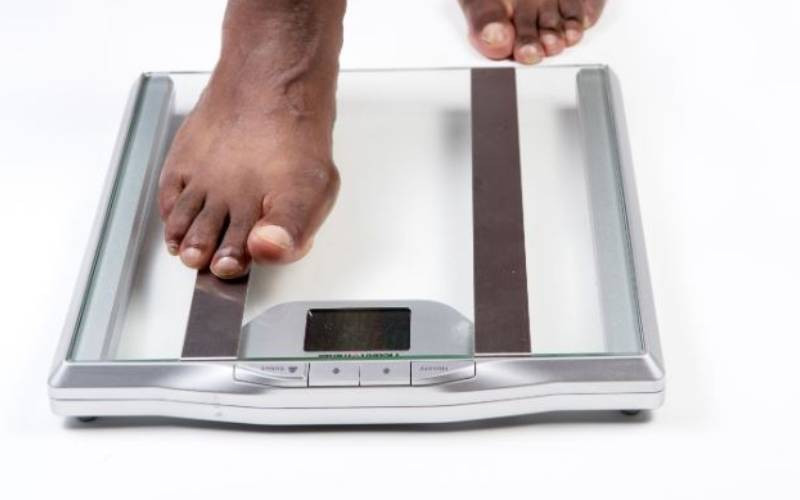
Did you know that you are what you eat? Blaming biology is, unfortunately, a common reflex when lifestyle interventions such as dieting or exercise fail to produce the expected weight loss. It is easy to fall back on familiar refrains: "It's my slow metabolism" or "It's in my genes."
Yet while genetics does influence the metabolic processes that govern weight loss, biology alone does not tell the whole story. The human body is also home to an estimated 39 trillion bacteria - roughly equal to the number of human cells - and their metabolism matters too.
The vast majority of these microorganisms, collectively known as the microbiota, inhabit the gastrointestinal tract. There, through their interactions and by-products, they form a complex community known as the microbiome.
So how might one harness their potential to aid weight loss? The answer, increasingly, lies in how we feed them. Bacteria and other members of the gut microbiome can work in your favour if nourished appropriately.
Losing weight reduces your risk of multiple medical conditions, such as diabetes and heart disease. These are connected through physiology and metabolism, so they often coincide to form cardio metabolic syndrome, a cluster of conditions affecting both your cardiovascular and metabolic systems.
But losing weight is really tough. That's partly because modern Western diets include cheap and convenient foods that are also highly processed and unhealthy, and human evolution hasn't kept up.
"Our biology hasn't evolved at the same pace as the food landscape," says Prof Sarah Berry, a nutritional scientist at King's College London, who studies how diet influences the risk of cardio metabolic diseases.
Berry leads the Personalised Responses to Dietary Composition Trial PREDICT, a project funded by ZOE, a company whose customers form a large cohort in research and provide data from their at-home health.
Microbiome tests identify bacteria from a stool sample using what's called 'metagenomics', reading Deoxyribonucleic acid (DNA) fragments instead of sequencing the full genome of every bacterial species.
In a 2021 study, PREDICT tested 1,098 people and then ranked bacteria species as 'favourable' or 'unfavourable' for health, based on their correlations with markers of cardio metabolic risk, including a person's amount of belly fat and everyday diet. That led to an 18-week intervention trial, in which 347 American participants were prescribed diets based on their health data. Compared to a control group given standard, one-size-fits-all dietary advice, those who followed a personalised diet ended up with improved blood sugar, waist circumference and body weight.
"We believe that if you can manipulate the microbiome through diet, it will have direct impacts on health outcomes," says Berry.
The research also shows a correlation between obesity and dysbiosis, a dysfunctional microbiome.
But does altering the microbiome directly cause weight loss? Evidence for such a causal relationship stems from early experimental studies in mice. In 2004, researchers at Washington University in St Louis found that mice raised in sterile conditions, without any microbiota, gained less weight than normal mice, despite consuming more food.
Further experiments revealed that when these "germ-free" mice were given faecal transplants from lean mice, they accumulated less fat than those receiving transplants from obese donors.
In the real world, outside an artificial lab, of course, humans and animals cannot avoid exposure to microbes. Nevertheless, such findings have prompted speculation about whether ingesting capsules containing processed faecal matter might aid weight loss.
So-called "poo pills" may sound unappealing, but they are grounded in a legitimate medical procedure: faecal microbiota transplantation (FMT). However, this approach is not without risk. Alongside beneficial microbes, FMT can introduce harmful pathogens, including disease-causing bacteria such as E. coli.
Fortunately, there are more palatable ways to improve the microbiome. According to the National Institutes of Health, the cornerstone of effective weight management is the prevention of excess fat accumulation.
This is particularly relevant in structured environments such as the military, where individuals are selected based on body mass index (BMI) and body fat criteria. In such settings, the emphasis should be on fostering conditions that support the maintenance of a healthy body weight and composition throughout an individual's military career.
There is considerable evidence that losing excess body fat is challenging for most people, and the likelihood of regaining lost weight remains high.












 join
join