
 The Standard Group Plc is a multi-media organization with investments in media
platforms spanning newspaper print
operations, television, radio broadcasting, digital and online services. The
Standard Group is recognized as a
leading multi-media house in Kenya with a key influence in matters of national
and international interest.
The Standard Group Plc is a multi-media organization with investments in media
platforms spanning newspaper print
operations, television, radio broadcasting, digital and online services. The
Standard Group is recognized as a
leading multi-media house in Kenya with a key influence in matters of national
and international interest.


For many couples, the journey to parenthood begins with hope and joy, but for some, it changes after the first child. Secondary infertility, the inability to conceive or carry a second pregnancy after previously giving birth, is often misunderstood and emotionally complex.
Unlike primary infertility, it carries the assumption that having one child means a second should come easily. This misconception can leave couples feeling isolated, confused and guilty.
According to Dr Maxwell Banda, secondary infertility is distinct from primary infertility, which is defined as the inability to conceive or carry a pregnancy to term after at least 12 months of trying without any prior successful pregnancy. In contrast, secondary infertility affects couples who have previously conceived but are now struggling to do so again.
For many women, the realisation begins subtly. Months pass, then a year, with no positive pregnancy test. Friends and relatives may ask when the next baby is coming, unaware of the silent battles being fought behind closed doors. The pressure can be intense, especially in cultures where larger families are celebrated and expected.
Medical experts say that secondary infertility can stem from a variety of factors. Age is one of the most significant contributors. Fertility naturally declines as women grow older, particularly after the age of 35. A woman who had her first child in her late twenties may find it more difficult to conceive in her mid to late thirties.
Health conditions can also play a role. Issues such as hormonal imbalances, uterine abnormalities, or complications from a previous pregnancy or delivery may affect fertility. Conditions like endometriosis or polycystic ovary syndrome, even if mild or previously undiagnosed, can interfere with conception.
Dr Banda explains that several factors contribute to this condition. Age and egg quality play a major role, as women are born with a limited number of eggs, and both their quantity and quality decline over time, particularly after the age of 35.
“Structural complications such as scarring or blockages in the uterus or fallopian tubes, often caused by infections like chlamydia, gonorrhoea, pelvic inflammatory disease, or procedures such as C-sections and dilation and curettage, can also interfere with fertility.” He says.
- How worried should I be about my child lying?
- When the back-to-school glow fades and real life begins
- Small habits that quietly shape a child's character
- Why raising independent children is not enough
Keep Reading
Lifestyle factors should not be overlooked either. Stress, weight changes, poor diet, smoking, and alcohol consumption can all impact reproductive health in both men and women. Secondary infertility is not solely a woman’s issue; male factors such as reduced sperm count or motility can also contribute significantly.
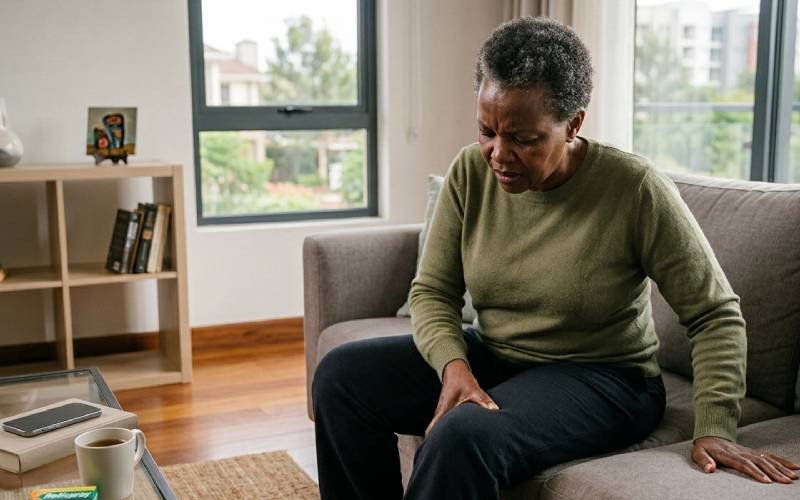
Emotionally, the experience can be deeply conflicting. Many couples feel they cannot openly express their pain because they already have a child. There is often an internal voice that says, “You should be grateful for the one you have.” While gratitude exists, it does not erase the longing for another child or the grief of unmet expectations.
He also says conditions like PCOS and endometriosis may disrupt ovulation or cause inflammation and scarring, while uterine abnormalities such as fibroids, polyps, or adenomyosis can hinder implantation.
Mothers may experience feelings of failure or inadequacy, especially when their child grows up without a sibling. Social situations such as baby showers and pregnancy announcements can become painful reminders.
Communication between partners is vital, as secondary infertility can strain relationships if not openly discussed. Different coping styles may cause distance, but honest dialogue and support help couples manage uncertainty.
Medical advice is important. Specialists recommend trying for one year if under 35, and six months if over 35, before seeking help. Early assessment can identify causes and guide treatment.
Treatment options include medication, lifestyle changes, surgery, or assisted reproductive technologies such as in vitro fertilisation, though these carry emotional and financial considerations.
Beyond medical interventions, emotional support is equally vital. Talking to a counsellor, joining a support group, or confiding in a trusted friend can help ease the burden. Sharing experiences with others facing similar challenges can reduce feelings of isolation and provide comfort.
It is also important for society to recognise and validate secondary infertility. Casual comments like “at least you have one child” may be well-meaning but can feel dismissive. Compassionate understanding goes a long way in supporting those navigating this difficult journey.
Dr Banda emphasises that prior pregnancy complications, infections and emotional strain are important considerations, urging affected couples to seek medical support and counselling.













 join
join