
 The Standard Group Plc is a multi-media organization with investments in media
platforms spanning newspaper print
operations, television, radio broadcasting, digital and online services. The
Standard Group is recognized as a
leading multi-media house in Kenya with a key influence in matters of national
and international interest.
The Standard Group Plc is a multi-media organization with investments in media
platforms spanning newspaper print
operations, television, radio broadcasting, digital and online services. The
Standard Group is recognized as a
leading multi-media house in Kenya with a key influence in matters of national
and international interest.

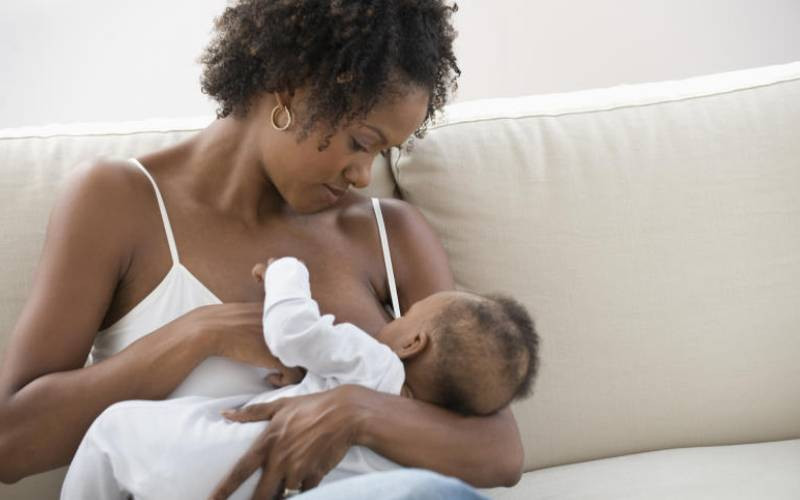
In a mother's arms, a child finds more than comfort; they find their first line of defence. Breastfeeding, often called a baby's first vaccine, provides vital antibodies that protect against common childhood illnesses like diarrhoea and pneumonia. It also plays a key role in healthy development, boosting a baby's immune system, brain growth and long-term health.
This simple, powerful act is both deeply personal and universally important. Each year, it's honoured through World Breastfeeding Week. This year's theme, "Prioritise Breastfeeding: Create Sustainable Support Systems", calls on everyone to commit to creating lasting support structures that empower mothers and give every child the best possible start in life.
Breastfeeding is more than a personal choice; it's a public health priority. Research shows that it significantly reduces the risk of chronic conditions such as obesity and diabetes in children. For mothers, it lowers the chances of certain cancers and heart disease. The benefits are lifelong and mutual.
Kenya has made significant progress over the years. Exclusive breastfeeding rates have jumped from just 13 per cent in 2003 to 60 per cent by 2022, placing the country ahead of many global counterparts. Yet, despite this progress, recent figures from the Ministry of Health suggest the momentum is slowing.
Between 2014 and 2022, the rate of exclusive breastfeeding fell slightly from 62 per cent to 60 per cent. The proportion of babies breastfed within the first hour after birth also declined, from 63 per cent to 61 per cent.
Even more concerning, bottle-feeding rose from 26 per cent to 34 per cent during the same period, a trend that highlights growing challenges.
These setbacks reflect real barriers: limited access to breastfeeding information, cultural myths and a lack of workplace policies that support nursing mothers. Many women still struggle to find the time, space and encouragement to breastfeed, especially once they return to work.
Kenya is working to adapt global recommendations to local realities. Health worker training is being expanded, and policies that support mothers, such as paid maternity leave and breastfeeding breaks, are gaining traction. These efforts are part of a broader push to ensure that breastfeeding support is not only available but sustainable.





 join
join