
 The Standard Group Plc is a multi-media organization with investments in media
platforms spanning newspaper print
operations, television, radio broadcasting, digital and online services. The
Standard Group is recognized as a
leading multi-media house in Kenya with a key influence in matters of national
and international interest.
The Standard Group Plc is a multi-media organization with investments in media
platforms spanning newspaper print
operations, television, radio broadcasting, digital and online services. The
Standard Group is recognized as a
leading multi-media house in Kenya with a key influence in matters of national
and international interest.

By Elizabeth Mwai
Cancer, heart disease and diabetes patients may soon not have to undergo the tedious and sometimes traumatising routine of drawing blood to test their condition, thanks to a new study by US scientists.
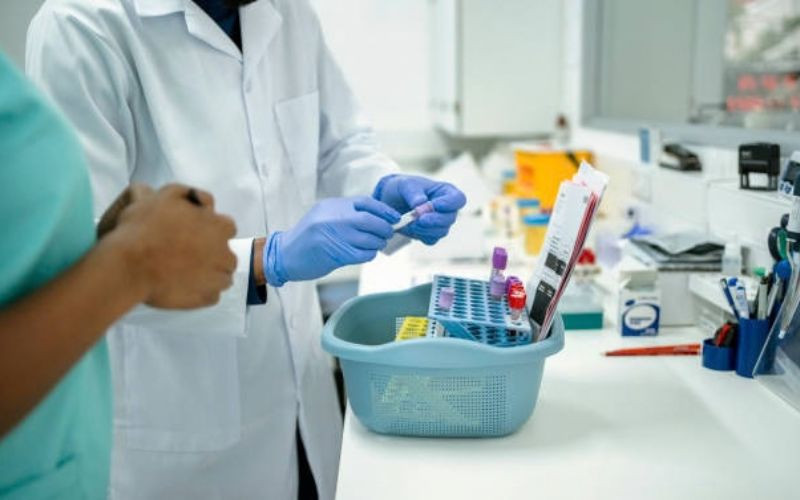
The study shows that a simple saliva test can detect certain cancers including throat, mouth and breast, at their earliest stages, even before symptoms develop.
According to the research, scientists have identified all the 1,166 proteins in human saliva, a move that could provide a new tool for diagnosing all sorts of diseases not just cancer.
Patients may soon be asked by doctors to spit in a cup during checkups.
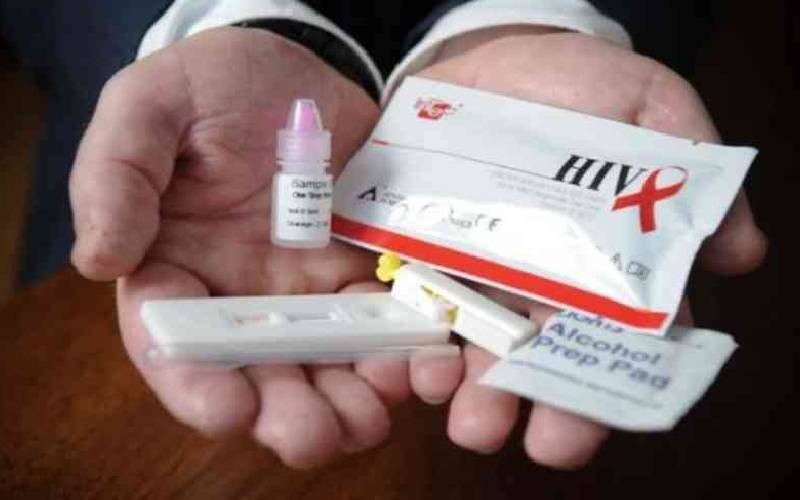
Already, Kenyan doctors use the test to screen for HIV and determine sugar levels and DNA.
The National Aids and Sexually Transmitted Diseases Programme (Nascop) Director Nicholas Muraguri says a technical committee is considering endorsing the HIV spit test.
"We are waiting for the conclusion of the blood safety committee to define the role of the oral testing kits," he says.
Analysing signs in saliva, blood, or other body fluids that signal early cancer has long been a goal of scientists seeking quick, easy, and reliable screening tests that can be done in a doctor’s office.
Proteins in saliva
The study published in the Journal of Proteome Research, points out that the saliva test will do away with the trauma of drawing blood patients.
"Our work, and that of our partners, has shown that proteins in the saliva may represent new tools for tracking disease throughout the body, which are potentially easier to monitor in saliva than in blood," said James Melvin, director of the Centre for Oral Biology at the University of Rochester Medical Centre and author of the study.
The test will also make the task of diagnosing diseases and treatment monitoring cheaper and less invasive.
Muraguri says the committee, which consists of immunologists and microbiologists will complete the exercise in about two months.
It is mandated to establish the effectiveness of the oral method of testing HIV taking into consideration factors like the climate.
The oral HIV test kits were introduced in Kenya 2007. Countries like Mauritius and United States upset the method.
But Muraguri says in the planned door-to-door HIV testing, the Government will use the drawing blood method to establish a person status.
He says the saliva test would reduce the chances of exposure of health workers to blood and costs. Exposure to blood can led to infections such as HIV and it is expensive to safely dispose the materials used in testing like cotton wool, syringes and needles.
"The act of drawing blood involves use of syringes and needles which is cumbersome," says Dr Felix Kirui of Supreme Healthcare Clinic and Lab. He says the saliva test is less time consuming.
The researchers collected saliva, from 23 adults of both sexes and different races, and subjected it to mass spectrometry — a technique that helped to identify the saliva proteins by measuring their mass and charge.
The study found that nearly a third of the proteins in saliva are similar to those found in the blood.
Breast cancer
A big number of the proteins also matched the proteins that played a role in diseases such as Alzheimer’s, Huntington’s and Parkinson’s as well as breast cancer, pancreatic cancer and diabetes.
The project is seen to dramatically accelerate diagnosis and improve prognosis by treating diseases at the earliest stages. Researchers had established that saliva proteins could be used to detect oral cancer and HIV.
Following the findings, it will soon expand to encompass diseases such as cancer and heart disease.







 join
join