
 The Standard Group Plc is a multi-media organization with investments in media
platforms spanning newspaper print
operations, television, radio broadcasting, digital and online services. The
Standard Group is recognized as a
leading multi-media house in Kenya with a key influence in matters of national
and international interest.
The Standard Group Plc is a multi-media organization with investments in media
platforms spanning newspaper print
operations, television, radio broadcasting, digital and online services. The
Standard Group is recognized as a
leading multi-media house in Kenya with a key influence in matters of national
and international interest.

By Wachira Kigotho
Christmas and New Year season is here and many people are planning to celebrate in style with their families and friends but such festivities can turn tragic.
Parties will be held in urban and rural homes. Eating business will be brisk in hotels, outside catering facilities and nyama choma joints. Roasted and barbecued beefsteaks, chicken and turkey, salads and other mouth-watering dishes will be served.
Unfortunately those foods are likely to be contaminated by food poisoning causing bacteria. During festivities, many mistakes occur in the kitchen, especially when food handlers are pressed to serve guests. Countertops, sinks and utensils are not cleaned properly and there is high cross-contamination between different foods, mainly raw meats and salads.
Wash hands
The handlers rarely wash their hands after going to the toilet and as a result accidentally lace food with bacteria-laden human waste. But the biggest risk comes from undercooking. Where the food poisoning bacteria die at least 100oC, most foods are prepared under conditions that enable the bacteria to multiply rapidly. According to Dr Joseph Oundo, a consultant microbiologist at the Centres of Diseases Control laboratory at the Kenya Medical Research Institute (Kemri), there is high tendency of eating undercooked meat. "Brown colour is not an indicator of well-cooked meat," he says. In regular circumstances, some places serve undercooked meat and the situation is likely to intensify during the festive season.
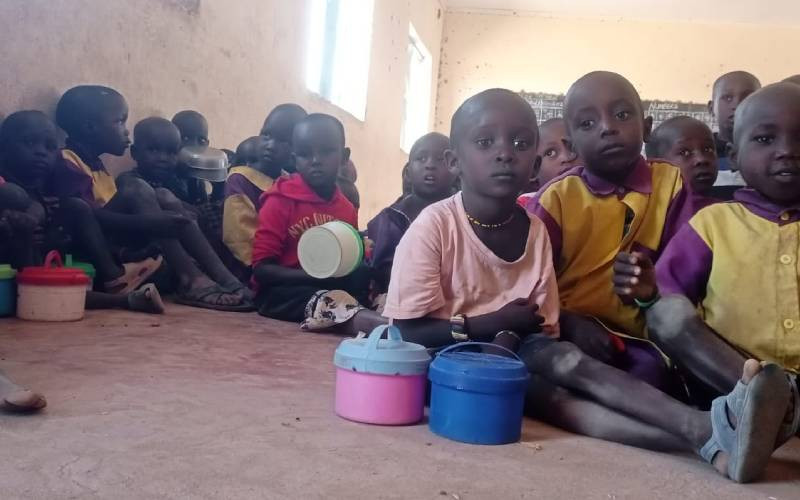
There is also the problem of people and more so children eating around animals. During the festive season children from urban areas visiting their rural folks will be encouraged to pet domestic animals, probably while still eating. Dr Ben Chapman, a food safety specialist and professor of food science at North Carolina State University, says domestic and zoo animals are hot carriers of food poisoning bacteria.
Experts identify Salmonella, Staphylococcus aureus and Bacillus cereus as some of the common food poisoning bacteria.
According to Dr Chapman some of these bacteria are could kill or paralyse someone. "In addition to causing severe diarrhoea, some strains of E. coli cause seizures and kidney failure if treatment is delayed," he says. But while, Chapman was commenting on the general status of food poisoning bacteria, the situation is rather serious in Kenya as most of those germs are resistant to most antibiotics.
Resistant to antibiotics
Studies carried by Kemri researchers indicate almost 90 per cent of food poisoning bacteria isolated from food handlers in Nairobi are resistant to penicillin-based antibiotics that are commonly used to treat food-borne diseases. Dr Oundo says the resistance of the bacteria is enhanced by self-medication of food-handlers.
Studies by Dr Jackson Ombui, a microbiologist at the Faculty of Veterinary, University of Nairobi, indicate beef carcasses, minced beef and dressed chicken are major reservoirs of food poisoning bacteria. Raw milk, yogurt and fermented milk are also in the category of rich reservoirs of those germs.
These are the types of food that will be in great demand in the coming festive season. Many people will eat food kept at room temperature in cupboards, plastic bowls, jugs and buckets, where bacteria had perfect conditions to multiply. Vegetable and fruit salads will be prepared by people who may have not have washed their hands better part of the day despite going to the toilet and shaking of hands with friends.
Boundaries
Experts say food-borne bacteria do not respect socioeconomic boundaries. Well-to-do persons who may be planning to substitute chicken to turkey during the festive season could also play host to the bacteria.
Turkey meals are linked to outbreaks of food poisoning related to Salmonella and Campylobacter bacteria.
"The biggest risk comes from undercooking the turkey," says Dr Chapman.
He refutes suggestions in recipes about turkey being done when the juices run clear or when the bird is cooked until it is brown. "That is a myth as the only way to know the turkey is done is with a sensitive digital thermometer reading 165_F," says Dr Chapman.
But as Chapman explains how to cook the holiday turkey in order to avoid Salmonella contamination, past food poisoning bacterial outbreaks in Kenya have been linked to cross contamination, poor hygiene, improper cooking temperatures and contaminated fruits and vegetables.
To reduce cross contamination, there is need to sanitise cutting boards and counters during food preparation. And to wash hands from time to time. "Hands contaminated with meat juices can be great vehicles for cross-contamination," says Dr Oundo.









 join
join