
 The Standard Group Plc is a multi-media organization with investments in media
platforms spanning newspaper print
operations, television, radio broadcasting, digital and online services. The
Standard Group is recognized as a
leading multi-media house in Kenya with a key influence in matters of national
and international interest.
The Standard Group Plc is a multi-media organization with investments in media
platforms spanning newspaper print
operations, television, radio broadcasting, digital and online services. The
Standard Group is recognized as a
leading multi-media house in Kenya with a key influence in matters of national
and international interest.

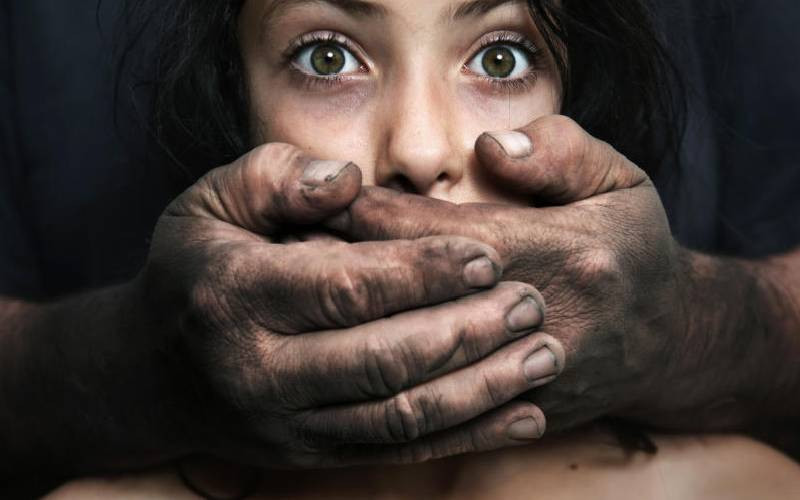
It was a video meant to capture pure parental joy: a 15-year-old daughter, vibrant in her school uniform, dancing to a popular TikTok trend. Her mother, brimming with pride, posted it online for friends and family with the caption, "My little girl is growing up too fast."
However, within hours, a deluge of disturbing comments poured in, providing a stark and chilling reminder of a pervasive menace that we can no longer afford to ignore.
This crisis has become an undeniable part of our reality, infiltrating the lives we hold most dear. The digital landscape, once a stage for connection, has become a breeding ground for predators. They operate unseen, in our homes, on our phones and all too often, right under the posts we share with so much love.
Caroline Karanja, a psychologist based in Kiambu with extensive experience in supporting adolescent survivors of sexual abuse, articulates a truth that many are still too afraid to acknowledge.
"We are facing a growing epidemic of digital grooming, cyberstalking and the direct targeting of our children by pedophiles," Caroline says.
"As parents, we post lovingly, but predators don't look at those pictures with love. They look with cold, calculated intention. They see vulnerabilities, opportunities and access points that were once unimaginable without physical proximity."
The Internet never forgets, and predators never scroll past. They actively watch your child's content, save videos, zoom into pictures and share them in dark corners of the Internet where innocence is traded like currency. You might not know their names, but they know your child's face.
We are confronted daily by harrowing posts circulating on these abhorrent networks, which often feature very young children. Their images are tragically stripped of context and weaponised for depraved consumption. This is the silent, festering wound of paedophilia in our society, breeding in the shadows and we are simply not paying enough attention to it.
- How can I help my kids build stronger social skills?
- Money talk at the dinner table: Teach children value
- How to prepare your toddler for a new sibling
- Teaching kids to choose the right company early
Keep Reading
Consider the deeply disturbing video that circulated widely, in which a man brazenly recorded a girl no older than 12 as he followed her. It was a bold assertion, a public declaration and a brazen display of predatory intent shared for countless pairs of eyes to see. This is the insidious nature of online predation breeding silently in our society while we collectively turn a blind eye.
According to the 2023 Kenya Cyber Crime Report, cases of online child exploitation, including digital grooming, sexual harassment via direct messages and sharing explicit child content, surged by 47 per cent. However, experts believe that this figure represents only the tip of a colossal iceberg.
"Most cases go unreported," Caroline explains. "Because of fear. Families want to protect their reputations. No one wants to believe that the internet, this tool of connection, can also be a crime scene. The shame and stigma associated with these crimes, time and again, silence victims and their families, allowing perpetrators to continue their heinous acts unchecked, emboldened by silence."
Sometimes, predators don't stop at words, messages and comments. The digital world can tragically blur the lines between online fantasy and real-world horror, with devastating consequences.
So, how do we protect our children in this increasingly digital world?
"We start by looking inward and taking responsibility," Caroline's words are firm, necessary and powerful.
"When something happens to someone, society too often asks 'What did they do?' instead of 'What was done to them?' This victim-blaming narrative protects predators and further traumatises survivors. It shifts accountability from the perpetrator to the innocent victim, compounding their suffering.
"It's a dangerous deflection that perpetuates cycles of abuse and silence. We should, with every fibre of our being, unlearn this culture of digital show-and-tell. Your child's image is a sacred part of their childhood. It does not belong to the world. Not everyone deserves access."
What not to do
Do not post children in swimwear or school uniforms. Do not post their locations or their bedtime routines. These seemingly innocent details, when aggregated by predators, can form a complete picture of your child's life, making them easier targets. Protecting them is an act of love.
Then, we must teach our children early. Teach them who can message them and whom to block. Teach them what a "red flag" looks like. Instill in them the concept of a "secret" that feels bad or scary, emphasising that no adult, no matter how close, should ever ask them to keep such a secret from their parents. Build a bond of trust so strong that they know your arms are always open and your ears are always listening, without judgment.
"Tell them it's okay to say no. To report. To speak up. Because predators rely on one thing above all else: silence," says Caroline.





 join
join