×

The Standard e-Paper
Kenya’s Boldest Voice
 The Standard Group Plc is a
multi-media organization with investments in media platforms spanning newspaper
print operations, television, radio broadcasting, digital and online services. The
Standard Group is recognized as a leading multi-media house in Kenya with a key
influence in matters of national and international interest.
The Standard Group Plc is a
multi-media organization with investments in media platforms spanning newspaper
print operations, television, radio broadcasting, digital and online services. The
Standard Group is recognized as a leading multi-media house in Kenya with a key
influence in matters of national and international interest.

Audio By Vocalize
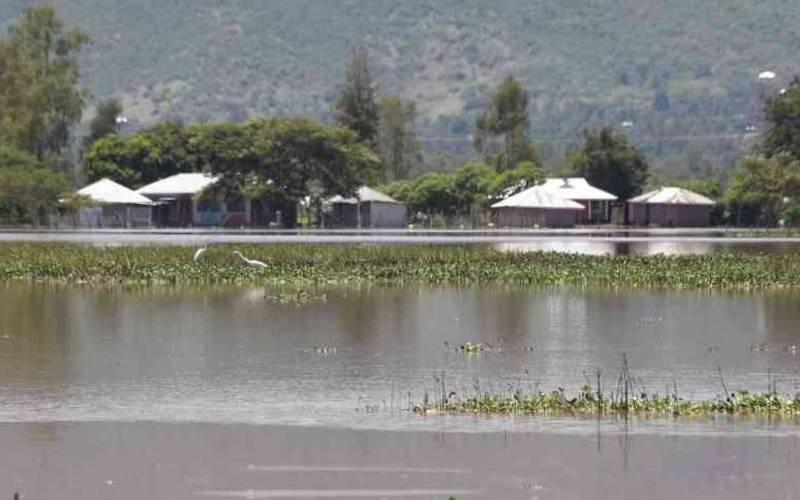
Civil society organisations are urging the national and county governments to move swiftly from El Niño preparedness plans to concrete action as Kenya prepares for above-average October–December 2026 rainfall.
The Kenya Meteorological Department has forecast enhanced rainfall across most parts of the country, with the El Niño phenomenon and a positive Indian Ocean Dipole expected to intensify the rains.
The organisations, under the Right to Food Coalition, yesterday called for weekly, public and independently verifiable updates on preparedness until the rainy season ends.
They want authorities to disclose funds released and spent, drainage and flood-control works completed, emergency supplies pre-positioned and measures taken to protect communities in flood- and landslide-prone areas.
"Kenya has been here before, and the cost of delay is well documented," the coalition said in a statement signed by 125 organisations.
"Floods killed 315 people, displaced about 410,000 and caused an estimated Sh187 billion in damage in 2024. In 2026, more than 60 people were reportedly killed in floods in March this year, followed by 18 deaths in landslides in Tharaka-Nithi, Elgeyo-Marakwet and Kiambu counties."
Although the government has established a national preparedness framework covering risk mapping, drainage clearance, evacuation planning, emergency supplies and early-warning systems, the key challenge is ensuring these measures are implemented before disasters occur, the coalition said.
The groups have raised concerns over the gap between budget allocations and actual preparedness on the ground.
The National Treasury has reported Sh7.1 billion in locally led climate-resilience grants to 43 counties, within Sh11.7 billion allocated for county-level climate resilience in the 2025/26 financial year.
In Nairobi, 227 flood hotspots have reportedly been identified, with Sh2.4 billion committed to flood resilience, including Sh2 billion for drainage works along 19 roads.
The groups want Nairobi County to publicly account for the status of the projects, including completed works, outstanding works and expected completion dates.
The organisations are also pushing for clear weather and risk thresholds that would automatically trigger early action before flooding occurs.
Such measures would include issuing accessible warnings, preparing communities for evacuation, identifying safe routes and shelters, and pre-positioning food and other emergency supplies.
The coalition wants women’s organisations, persons with disabilities, small-scale producers and residents of informal settlements to be involved in assessing preparedness measures.
Stay informed. Subscribe to our newsletter
The organisations are also urging the government to treat the expected rains as both a disaster-risk and food-security challenge.
Authorities have been asked to protect crops, livestock, food markets and household incomes while ensuring vulnerable households can access social-protection support.
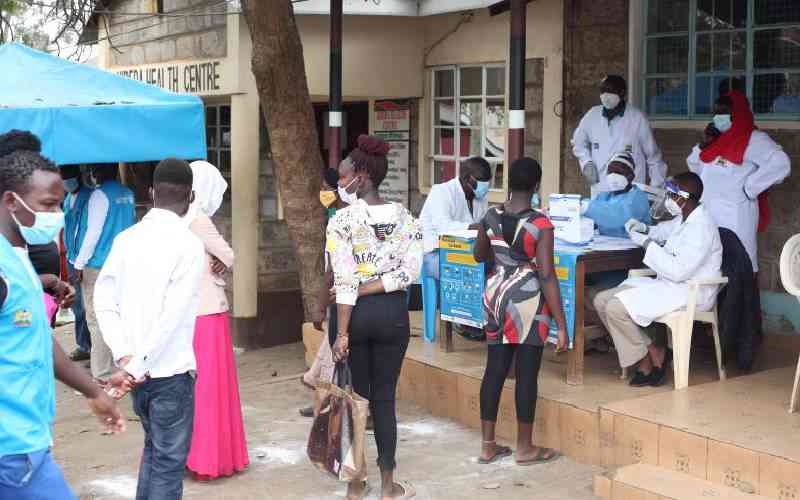
Health authorities have also been urged to strengthen disease surveillance, stock essential medicines and water-treatment supplies, and prepare health facilities in flood-prone areas.
Particular attention, the organisations say, should be given to children, pregnant and breastfeeding women, persons with disabilities, older people, pastoralists, small-scale farmers and residents of remote and informal settlements.
The organisations say Kenya already has many of the resources and institutions needed for preparedness. Its main demand is that existing funds, forecasts and responsibilities be coordinated and translated into visible protection on the ground.
The groups are calling for stronger cooperation between national and county governments, civil society, communities and humanitarian actors, alongside transparent reporting and regular public feedback.
Subscribe to our newsletter and stay updated on the latest developments and special offers!

 Prefer the Standard on Google







 join
join