×

The Standard e-Paper
Stay Informed, Even Offline
 The Standard Group Plc is a
multi-media organization with investments in media platforms spanning newspaper
print operations, television, radio broadcasting, digital and online services. The
Standard Group is recognized as a leading multi-media house in Kenya with a key
influence in matters of national and international interest.

Audio By Vocalize
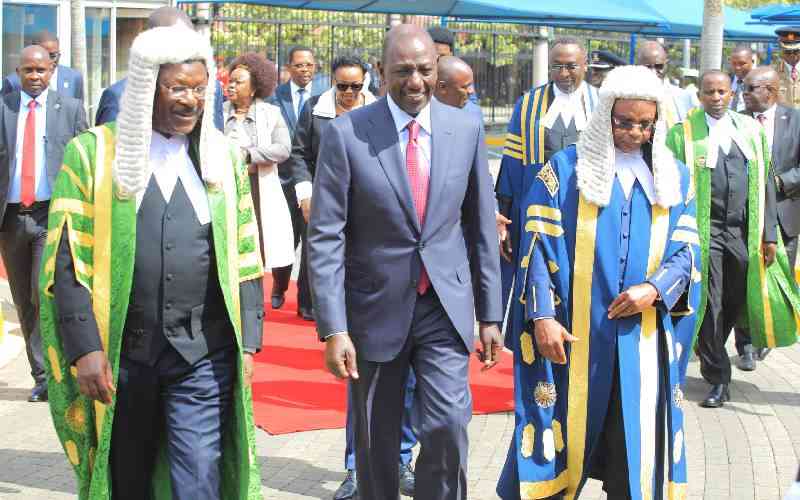
There is a fundamental question Kenyans ought to ask following President William Ruto's State of the Nation Address: Did the President adequately account for the constitutional values and principles of governance that his office is obligated to advance?
Article 132(1)(c)(i) of the Constitution requires the President, once every year, to report to the nation on measures taken and progress achieved in realising the national values and principles of governance under Article 10. This is not a campaign opportunity or an occasion to showcase government projects. It is a constitutional accountability obligation.
Article 10 establishes the standards against which this obligation ought to be assessed: human dignity, equity, social justice, inclusiveness, equality, human rights, good governance, integrity, transparency, accountability and sustainable development, among others.
Measured against these standards, Wednesday's address was underwhelming. It offered considerable attention to infrastructure, housing, education, healthcare and economic statistics, but insufficient interrogation of whether the administration's policies and conduct have advanced the constitutional values underpinning them.
Consider human dignity, equality and human rights. These are not abstract constitutional expressions. They are reflected in how the State treats its citizens, particularly those who disagree with it. The deaths, injuries, abductions and alleged enforced disappearances arising from protests present a serious test of the administration's commitment to these values. The President acknowledged state wrongdoing and reported compensation to victims and other beneficiaries. This is welcome, but compensation cannot substitute for accountability. Families deserve answers, investigations need to conclude and those found culpable ought to face the law.
The second test is good governance, integrity, transparency and accountability. The President presented numerous achievements and impressive figures, but accountability goes beyond announcing outputs. It requires explaining how public resources have been utilised, whether interventions have delivered value and who bears responsibility when commitments are not fulfilled. Persistent concerns around corruption, public procurement and the management of public finances deserved greater attention. Accountability cannot be selective.
Sustainable development presents another uncomfortable test. The repayment of the US$2 billion Eurobond was a legitimate achievement, while the relative stability of the shilling is commendable. However, public debt continues to rise, interest payments constrain development spending and the cost of living remains a daily concern. Diesel prices, for instance, have continued to increase. Sustainable development means more than infrastructure projects; it also calls for responsible borrowing, prudent economic management and an economy in which ordinary citizens can afford a dignified life.
To be fair, the administration has made interventions worth recognising. Increased teacher recruitment, expanded technical training, investments in affordable housing and healthcare coverage are positive initiatives. These deserve acknowledgement regardless of political affiliation. But government ought to be judged by actual outcomes, not merely announcements and headline statistics.
There is also the question of democracy, national unity and public participation. Inclusion cannot be reduced to political slogans. It needs to be evident in how government listens to dissent, accommodates competing views, respects devolution and involves citizens in decisions affecting their lives. A government that treats criticism as hostility undermines the democratic culture the Constitution seeks to establish.
A word to the opposition: we are watching you too. As Kenya approaches the 2027 elections, promises of a different country need to be accompanied by credible plans and measurable commitments. If entrusted with power, you will inherit not only the instruments of government but also the constitutional obligations that come with them. We will apply the same Article 10 scorecard to your administration. Kenya cannot afford to replace one set of unfulfilled promises with another.
Subscribe to our newsletter and stay updated on the latest developments and special offers!


 Prefer the Standard on Google