×

The Standard e-Paper
Join Thousands Daily
 The Standard Group Plc is a
multi-media organization with investments in media platforms spanning newspaper
print operations, television, radio broadcasting, digital and online services. The
Standard Group is recognized as a leading multi-media house in Kenya with a key
influence in matters of national and international interest.
The Standard Group Plc is a
multi-media organization with investments in media platforms spanning newspaper
print operations, television, radio broadcasting, digital and online services. The
Standard Group is recognized as a leading multi-media house in Kenya with a key
influence in matters of national and international interest.
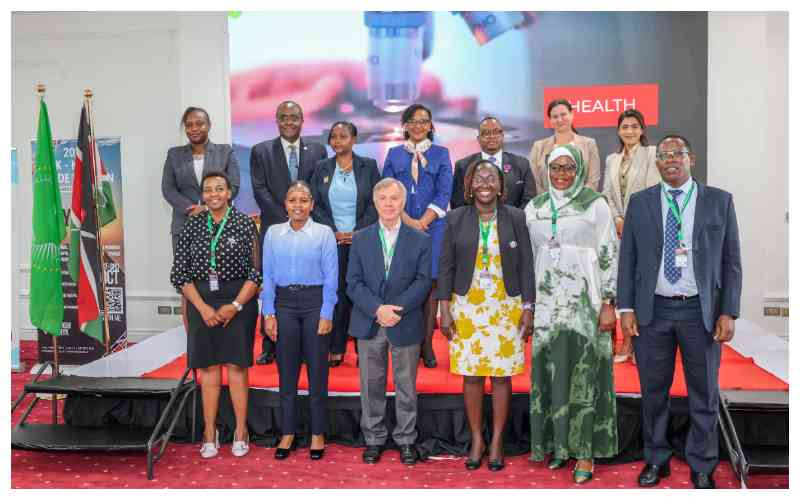
In July, Foreign Affairs PS Korir Sing'Oei landed in Australia under the country's Special Visitors Programme, an invitation Canberra reserves for leaders it considers strategic partners. It was a small trip in the grand scheme of Kenya's foreign policy calendar, but it was also a useful case study in what economic diplomacy looks like when it is done with intent. Over the course of the visit, Sing'Oei sat down with Australia's Department of Foreign Affairs and Trade, met the leadership of Austrade, held a lecture on reforming the global financial system, and convened a business roundtable hosted by Austrade CEO Dr Paul Grimes. He also stopped at the University of Technology Sydney to talk higher education partnerships and found time to rally support for Kenya's candidates to the International Court of Justice and the International Criminal Court.
At a reception hosted by High Commissioner Dr Wilson Kogo, he met the Kenyan community in Sydney, a community that officials estimate at around 35,000 people. That is a lot of ground to cover in one trip, and it is worth being generous about it. This was diplomacy that tried to produce something rather than a photo opportunity Here is the honest part. A good visit is not the same thing as a strategy. Kenya has, for years, treated economic diplomacy as something that happens episodically, tied to a minister's calendar or a state visit, rather than as standing infrastructure. Compare this to how South Korea or India run their diaspora and trade offices abroad: dedicated economic desks, regular data on remittance and investment flows, formal mechanisms that outlive any single official's term. Kenya's missions have historically been under resourced for this kind of work, and a great deal of the follow up after a high-level visit depends on goodwill rather than a functioning pipeline.
Subscribe to our newsletter and stay updated on the latest developments and special offers!

 Prefer the Standard on Google







 join
join