×

The Standard e-Paper
Smart Minds Choose Us
 The Standard Group Plc is a
multi-media organization with investments in media platforms spanning newspaper
print operations, television, radio broadcasting, digital and online services. The
Standard Group is recognized as a leading multi-media house in Kenya with a key
influence in matters of national and international interest.
The Standard Group Plc is a
multi-media organization with investments in media platforms spanning newspaper
print operations, television, radio broadcasting, digital and online services. The
Standard Group is recognized as a leading multi-media house in Kenya with a key
influence in matters of national and international interest.

Audio By Vocalize
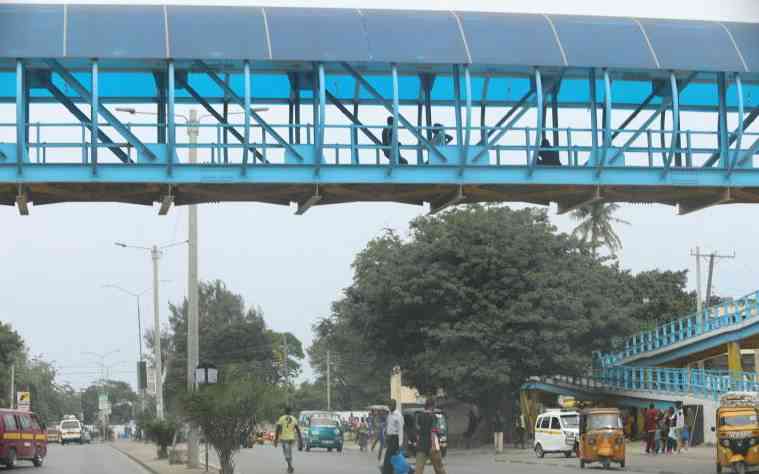
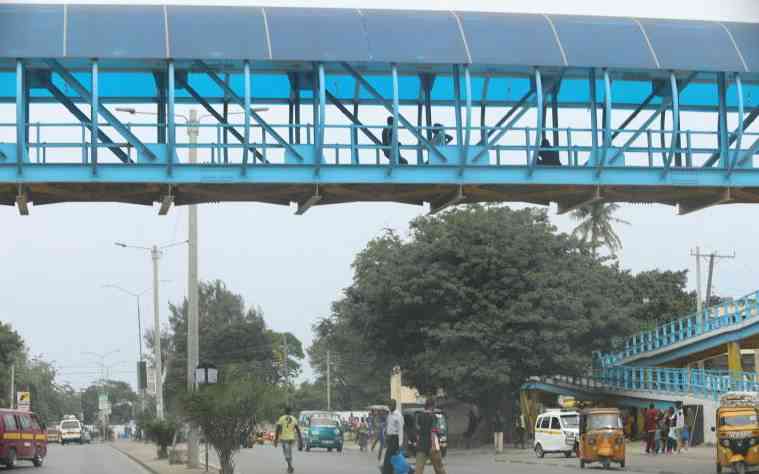
Pedestrian safety on Nairobi’s ever busy highways has reached a crisis point. Hundreds of pedestrians are knocked down every year on busy expressways, often directly beneath the shadow of multi-million-shilling footbridges designed to preserve their lives.
According to National Transport and Safety Authority (NTSA) statistics, pedestrians remain the most vulnerable road users in Kenya, accounting for over a third of all annual road fatalities nationwide. Pedestrians accounted for 836 of the 2,150 people killed in road crashes in the first half of 2026, representing 38 percent of traffic fatalities nationwide, making them the single most endangered class of road users.
Yet despite the obvious danger, thousands cross Nairobi's highways on foot daily. In a swift crackdown, multi-agency operations led by the NTSA and police recently netted over 250 pedestrians across Nairobi for failing to use designated footbridges. At the same time, Nairobi County’s Head of Citizen Engagement, Geoffrey Mosiria, launched high-profile operations along Mombasa Road and the Nyayo Stadium roundabout, rounding up offenders on camera.
This raises a very pertinent question; is this a structured government policy to safeguard citizens, or an initiative driven by an overzealous county official chasing viral social media fame?
While compliance with road safety laws is non-negotiable, authorities must confront the grim reality of why many Nairobians avoid footbridges in the first place. After dark, these elevated crossings turn into unlit death traps, harbouring muggers and criminal gangs who ambush commuters for their phones and cash. By day, many are so clogged by aggressive hawkers that navigating them becomes a daunting obstacle course. Unless the county government installs adequate lighting, clears hawker encroachments, and guarantees security, forcing citizens onto unsafe infrastructure simply trades one lethal hazard for another.
Furthermore, law enforcement must operate within the bounds of the Constitution. The law prescribes specific statutory penalties; typically fines ranging between Sh500 and Sh5,000 under the Traffic Act and municipal bylaws, to dissuade risky behavior. It is therefore unfortunate that Mosiria has arrogated to himself the unlawful authority to arrest citizens, confiscate personal property, met out arbitrary roadside punishments like forced litter picking, and grant visual amnesties for the camera.
When individual public officers act as arresting officers, prosecutor, judge, and jury, they undermine the rule of law. Relevant public institutions, namely, the City Inspectorate, the National Police Service, and the Judiciary, must each be allowed to perform their distinct statutory roles. Without formal legal channels, this public spectacle will fade into irrelevance within weeks, like so many enforcement drives before it.
Ultimately, long-term road safety requires structured civic education alongside fair enforcement. The vast majority of citizens who dodge speeding cars are not suicidal; they are uninformed commuters rushing to beat deadlines or feed their families. A robust national campaign on pedestrian safety, coupled with secure, well-lit, and well-policed footbridges, will save far more lives than vigilantism for public clout.
Subscribe to our newsletter and stay updated on the latest developments and special offers!


 Prefer the Standard on Google






 join
join