×

The Standard e-Paper
Fearless, Trusted News
 The Standard Group Plc is a
multi-media organization with investments in media platforms spanning newspaper
print operations, television, radio broadcasting, digital and online services. The
Standard Group is recognized as a leading multi-media house in Kenya with a key
influence in matters of national and international interest.

Audio By Vocalize
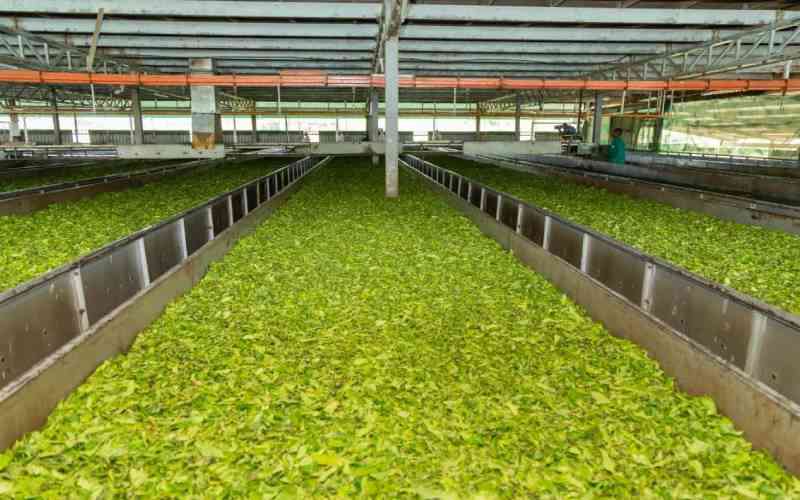
President William Ruto has pledged Sh3.7 billion towards the revival of struggling tea factories in the West and East of the Rift Valley, in a move aimed at improving productivity and addressing longstanding disparities in bonus payments to tea farmers.
Speaking at Nyamaiya Stadium in Nyamira County, the President said the government had already released Sh1.2 billion to support the factories and would allocate an additional Sh2.5 billion in the next financial year to facilitate the transition to cheaper and more efficient sources of energy, including solar power.
“We will assist in solarisation and change the energy being used in tea factories. We have already released Sh1.2 billion, and in the next budget another Sh2.5 billion will be allocated to ensure factories in the West and East of the Rift have the same productivity levels so that bonuses are equal across the board,” said Ruto.
He acknowledged that the inequality in tea earnings between the two regions had persisted for decades but maintained that his administration was determined to find a lasting solution.
“Hiyo shida ya chai haijaanza mimi nikiwa Rais. Shida ya chai ya East and West imekuweko for many decades, but I have decided to resolve the problem so that we have equality,” he added.
The President said his administration had fulfilled its promises in the agricultural sector and would continue addressing outstanding challenges to ensure farmers earned better returns from their produce.
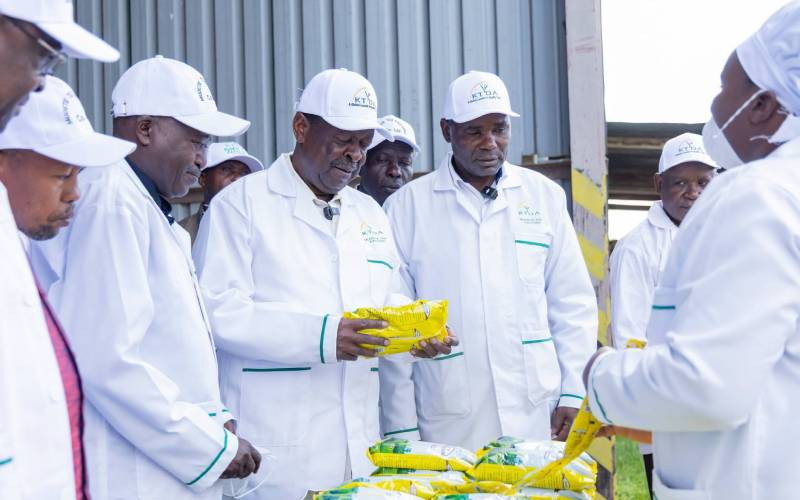
His remarks come amid growing anger among tea farmers in Kisii and Nyamira over disappointing bonus payments, with some receiving as little as Sh12 per kilogramme of green leaf, compared to farmers in parts of the East of the Rift Valley who earned as much as Sh50 per kilogramme.
The disparities have triggered protests and renewed political pressure on the government and the Kenya Tea Development Agency (KTDA) to explain the criteria used in determining farmers' earnings.
Manyata MP Gitonga Mukunji has demanded answers in Parliament over declining tea bonuses, particularly the impact of the 0.8 per cent tea export levy on auction prices and farmers' final payments.
Kisii Woman Representative Dorice Donya Toto has also expressed outrage over the unequal payments, demanding fairness, transparency and equitable treatment of farmers across the country.
She called for scientific tea testing at the Mombasa auction, arguing that reliance on traditional tasting methods could undermine fairness.
“We cannot have the mouth being the single tasting instrument of products. We must move to scientific tasting,” he said.
Meanwhile, Githunguri MP Gathoni Wamuchomba has criticised the government over low bonus payouts and alleged Sh34 billion in debts facing tea factories. She also accused the administration of failing to meet its fertiliser subsidy obligations for three years.
In October last year, MPs from the West of the Rift Valley called for the establishment of an ad hoc parliamentary committee to investigate KTDA operations, citing alleged mismanagement, inflated production costs and irregularities in factory operations.
Led by Agriculture Committee Vice-Chairperson Brighton Yegon, the legislators argued that the region, which contributes approximately 68 per cent of Kenya's tea production, was receiving disproportionately low returns.
Stay informed. Subscribe to our newsletter
Previously, Agriculture Cabinet Secretary Mutahi Kagwe told Parliament that tea bonuses are determined by auction prices, exchange rates and production costs. He also outlined reforms aimed at increasing average smallholder payments to Sh100 per kilogramme by 2027.
Subscribe to our newsletter and stay updated on the latest developments and special offers!

 Prefer the Standard on Google