
 The Standard Group Plc is a multi-media organization with investments in media
platforms spanning newspaper print
operations, television, radio broadcasting, digital and online services. The
Standard Group is recognized as a
leading multi-media house in Kenya with a key influence in matters of national
and international interest.
The Standard Group Plc is a multi-media organization with investments in media
platforms spanning newspaper print
operations, television, radio broadcasting, digital and online services. The
Standard Group is recognized as a
leading multi-media house in Kenya with a key influence in matters of national
and international interest.

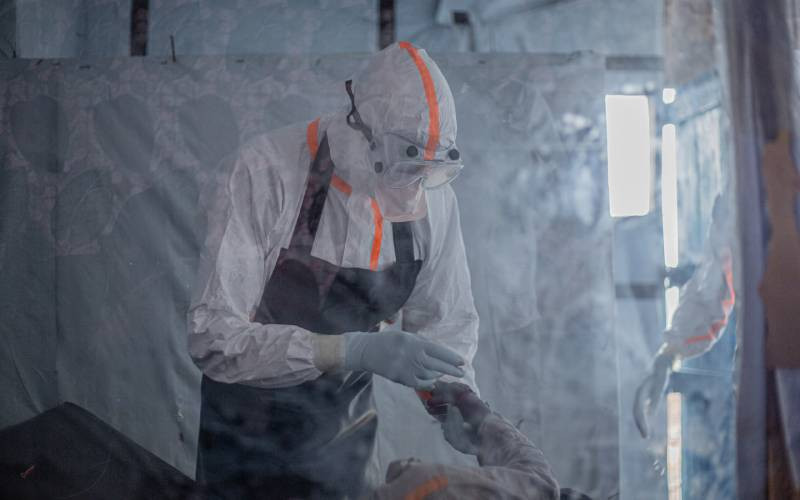
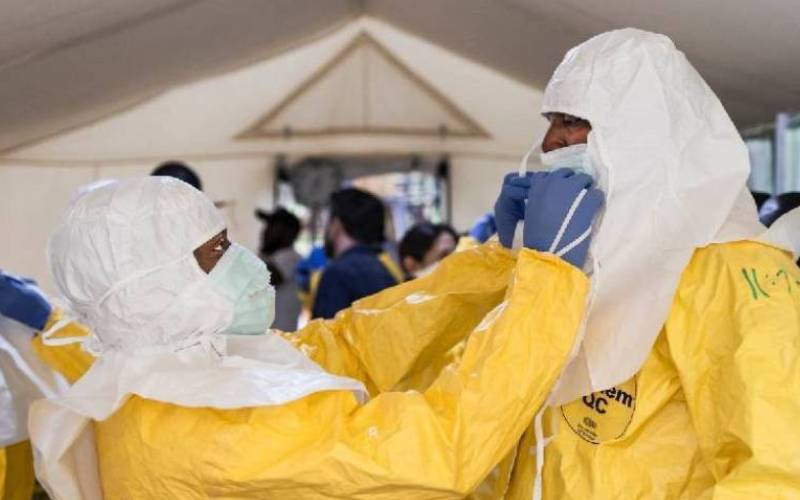
A doctor provides care to a patient with Ebola virus disease at the Rwampara Ebola Treatment Centre (ETC) in Bunia, Ituri, July 13, 2026. [AFP]
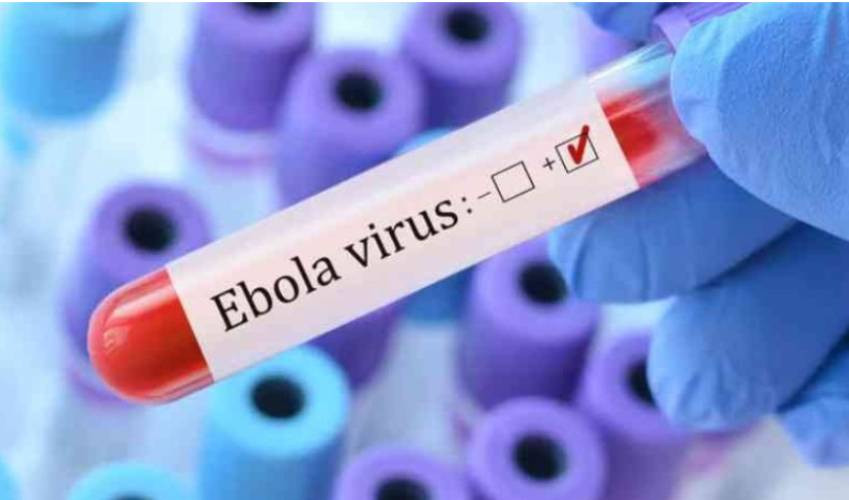
Scientists have launched the world's first clinical trial to determine whether post-exposure prophylaxis (PEP), medicine given after someone has been exposed to a virus but before they develop symptoms, can prevent Bundibugyo Ebola.
The study, known as EBO-PEP, is evaluating an experimental antiviral pill called obeldesivir among people who have had high-risk contact with confirmed Ebola patients, including family members and frontline healthcare workers in the Democratic Republic of Congo and Uganda.
Unlike vaccines, which are administered before exposure, post-exposure prophylaxis is given shortly after contact with the virus in an effort to stop infection before illness begins. If successful, it would become the first proven strategy to prevent Bundibugyo Ebola after exposure, providing health authorities with a new tool to curb outbreaks.
Welcoming the launch of the trial, World Health Organisation Director-General Dr Tedros Adhanom Ghebreyesus described it as an important milestone.
"Every breakthrough begins with hope," Tedros said.
"EBO-PEP, the first clinical trial evaluating post-exposure prophylaxis with obeldesivir for Ebola disease due to Bundibugyo virus, is now underway. If effective among high-risk contacts after exposure, this could mark a major step forward in preventing Bundibugyo Ebola."
- WHO releases first guidelines for treating Ebola and Marburg disease
- WHO clears first emergency diagnostic test for Bundibugyo Ebola
Keep Reading
Tedros also thanked the Democratic Republic of Congo's National Institute for Biomedical Research (INRB), France's ANRS Emerging Infectious Diseases, and humanitarian medical organisation ALIMA for leading the study, saying the World Health Organisation will continue to support the trial.
The research comes as the world continues searching for tools to combat the Bundibugyo strain, for which there is currently no licensed vaccine or treatment.
The EBO-PEP study is one of several scientific efforts launched in response to the ongoing outbreak.
A few days ago, the United Kingdom began the world's first human clinical trial of a vaccine developed specifically against the Bundibugyo strain.
Researchers at the University of Oxford produced the vaccine candidate just 57 days after the World Health Organisation declared the outbreak a Public Health Emergency of International Concern, with hopes it could provide long-term protection if proven safe and effective.
Meanwhile, patients already infected with the virus are being enrolled in the WHO-backed PARTNERS clinical trial in the Democratic Republic of Congo.
The study is evaluating two promising therapies—the monoclonal antibody MBP134 and the antiviral drug remdesivir—to determine whether they can improve survival among people with Bundibugyo Ebola.
Together, the three studies represent a comprehensive scientific response to the outbreak: a vaccine to prevent infection before exposure, post-exposure prophylaxis to stop the disease after contact with the virus, and treatment options for patients who develop Ebola.
Researchers say results from the EBO-PEP trial could transform future Ebola outbreak response by protecting those at greatest risk, particularly household contacts and healthcare workers exposed to infected patients.








 join
join