
 The Standard Group Plc is a multi-media organization with investments in media
platforms spanning newspaper print
operations, television, radio broadcasting, digital and online services. The
Standard Group is recognized as a
leading multi-media house in Kenya with a key influence in matters of national
and international interest.
The Standard Group Plc is a multi-media organization with investments in media
platforms spanning newspaper print
operations, television, radio broadcasting, digital and online services. The
Standard Group is recognized as a
leading multi-media house in Kenya with a key influence in matters of national
and international interest.

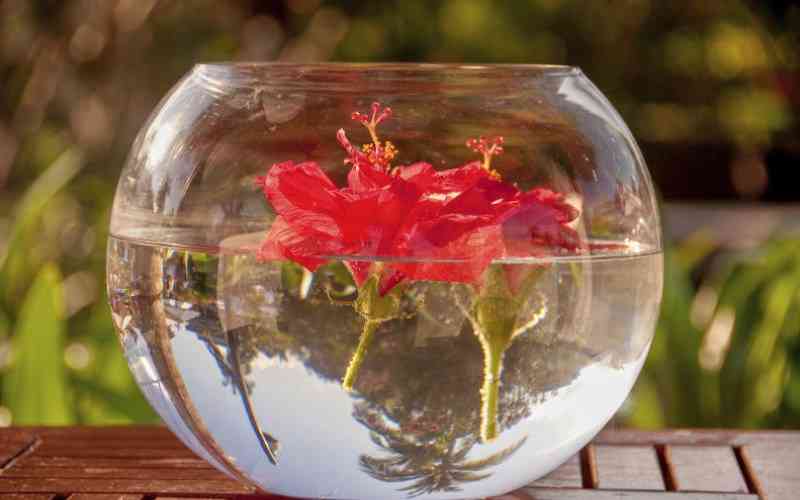
Hibiscus, a plant with colourful flowers, normally grows in the wild. However, a number of farmers are now domesticating it in Central and Western regions of Kenya. The trend is as a result of the discovery of the many health benefits derived from the plant.
There are hundreds of types of hibiscus, including herbs, shrubs, and trees, but the one grown for its many health benefits is known as roselle (Hibiscus sabdariffa). It has been used for centuries for decorative and medicinal purposes. People have used it to make extracts, teas, and supplements.
Hibiscus grows in tropical and subtropical regions. The flowers, seeds, leaves, and stems are all used for culinary, cosmetic, and medicinal preparations. According Healthline.com, raw hibiscus contains some carbohydrates, calcium, magnesium, potassium, vitamin C, and B vitamins. Hibiscus tea tends to be lower in nutrients but still offers many beneficial compounds.
Facts First
This story continues on The Standard INSiDER. Subscribe now for unfiltered journalism that holds power to account.
Already have an account? Login





 join
join