×

The Standard e-Paper
Stay Informed, Even Offline
 The Standard Group Plc is a
multi-media organization with investments in media platforms spanning newspaper
print operations, television, radio broadcasting, digital and online services. The
Standard Group is recognized as a leading multi-media house in Kenya with a key
influence in matters of national and international interest.
The Standard Group Plc is a
multi-media organization with investments in media platforms spanning newspaper
print operations, television, radio broadcasting, digital and online services. The
Standard Group is recognized as a leading multi-media house in Kenya with a key
influence in matters of national and international interest.
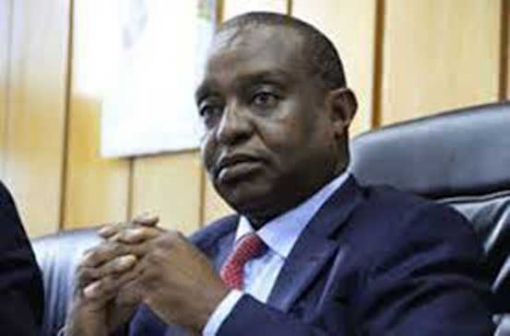
NAIROBI, KENYA: Already reeling from a drawn out election process and a drought that has put 3.5million Kenyans on the brink of starvation, the country's economic woes have been compounded by steep budget cuts at both the central and county governments.
This follows reports from Treasury earlier this month that Kenya's 2017/2018 Budget would overrun earlier estimates by more than Sh50 billion - necessitating austerity measures across government ministries and departments across the board.
"Given the likely underperformance of businesses on account of prevailing challenges in the business environment, revenue shortfalls are likely to persist in this financial year," stated Treasury Cabinet Secretary Henry Rotich, earlier this month in a report.
Kenya's Supreme Court ruling annulling the August 8th presidential election has heighten political temperatures in the country, dampening business and investor activity.
In the past month, street demonstrations by opposition party supporters in several parts of the country have seen business activity slow down. Treasury had earlier expressed fears that the reducedbusiness activity would further lower revenue collection targets.
"Owing to the expected economic downturn and low revenue performance, county governments urgently consider on their own motion to implement appropriate austerity measures with a view of realizing more resources for development," Rotich further stated in his recommendations contained in a supplementary budget report.
Rotich had earlier proposed a reduction of 20 per cent on domestic travel and 75 per cent on foreign travel, training expenses, printing and advertising among other expenses for operations and maintenance. Reductions were further proposed in the recurrent budget under both the Parliamentary Service Commission and the National Assembly votes by sh6.8billion.
Treasury further recommended suspending spending of some sh43billion in low-priority expenditure. These include several national government projects such as the Digital Learning Programme, DLP and the Lamu Port South Sudan Ethiopia Transport, project LAPSSET.
"The proposed changes in the supplementary budget have led to downward revision of targets for key policy interventions such as ongoing public investments in roads, agricultural mechanization, industrial investment including special economic zones and industrial parks, vulnerable persons accessing subsidized health insurance and construction of teacher training colleges," explained Treasury in it's report.
Subscribe to our newsletter and stay updated on the latest developments and special offers!






 join
join