Community threats are shared by all


Published on 06/07/2009

Peoples Under Threat, an internationally respected global survey, ranks nations based on the threat to civilian life of genocide, mass killings or violent repression.

In listings published last week by Minority Rights Group International, Kenya is ranked (along with Niger, Zimbabwe and Guinea) as having "shown some of the biggest rises in the ranking compared to previous years".

Thanks to the violence in the post-election period last year, or to the conduct of the war on terror, at least ten of the country’s 42 identified ethnic groups — most not minorities — are listed as being under threat. These include Borana, Kalenjin, Kikuyu, Luhya, Luo, Muslims, Turkana, Endorois, Maasai, Ogiek and other indigenous groups. The country’s overall ranking is up six places to 43.

"Power-sharing ... helped end the wave of violence in the first part of last year sparked by a disputed election," the MRG report notes.

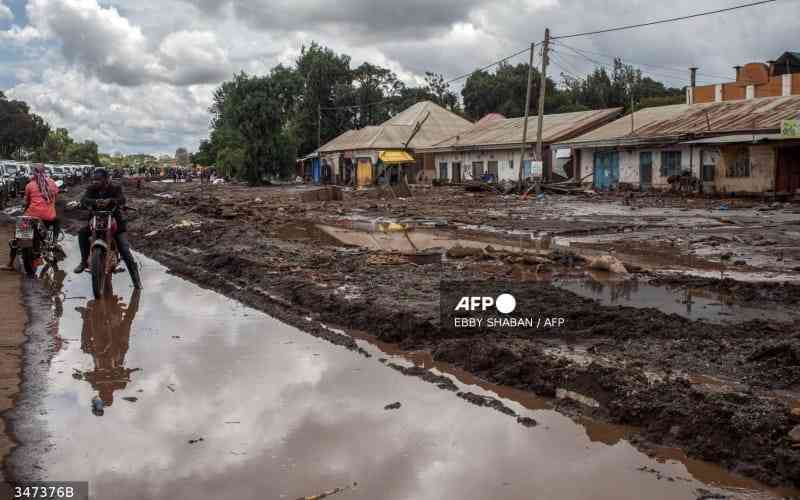
"However, without resolution of the land issues that underpinned the discontent, there may be a revival of violence, particularly in the Rift Valley (Province) and around Mt Elgon."

In a nutshell, the country has become a lot more dangerous for various communities. While some suffer at the hands of the State in its attempts to end conflicts over resources, others do so at the hands of neighbouring or rival communities. All are under threat.

Fundamental issues

This puts the task of resolving issues that feed conflict front and centre. In looking at the threats as discrete issues, many may fail to appreciate this as a crisis that goes beyond the individual community. Questions of, say, post-election killings by State agents in Nyanza or during security operations in Mt Elgon may seem to be purely questions of the abuse of human rights. But they are also part of a larger fabric of fundamental issues that need fixing to preempt the need for protests on ‘stolen’ elections or terror campaigns over ‘stolen’ land.

Despite the politically-fanned ethnic divisions in this country, it is perhaps reassuring that Kenya is not among Africa’s worst on minority rights issues.

Somalia leads the table, while Sudan, the Democratic Republic of Congo, Ethiopia and Nigeria are in the Top Ten countries. Half of the Top 20 are African states. MRG says minorities in Africa are at greater risk than ever before from the war against terrorism as well as from repressive governments. Efforts to create a governance system that allows wider representation by default, rather than at the whim of the Executive, will help draw us away from the threat of State repression. On the question of the war on terror, there is mixed progress.

A presidential advisory team on how Muslims were affected by security measures under the war on terror and by existing laws did lead to the reversal of renditions of Kenyans to Ethiopia. But there is still more to be done to protect some minorities within the Muslim community.

The conflict in Somalia is one factor in this problem.

Shared solutions

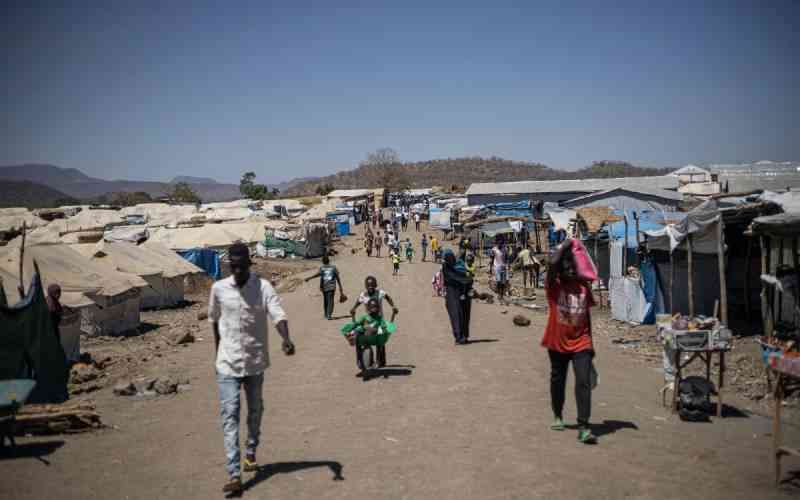
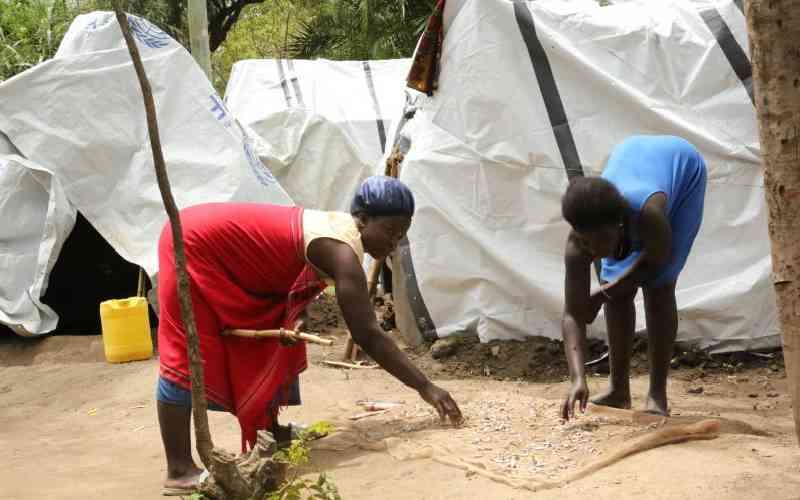
Youth recruited to fight for Islamist forces now linked to terror groups present an unusual challenge. So do the refugees fleeing the fighting and trying to make it to Dadaab, the refugee camp on the Kenyan side of the border. Security forces are repeatedly accused of abuses in their handling of both.

The MRG report suggests the closed-border policy that seems to affect all Somalis equally actually hurts minorities more. With the threat to civilians in much of south and central Somalia now at crisis point, it is "poor or marginalised groups with no militias to defend them, such as the Bantu or Gaboye" at particular risk. This strengthens the case for rethinking the border policy.

The temptation to see threats to peoples in this country from a limited, tribal viewpoint leads to a state of constant political instability. All debate on the solutions — from whether to have a special tribunal to how far to go on police reforms — is constrained by such considerations. If we are to reduce the threats to all communities, we must begin to see them as shared threats to the nation to which shared solutions are needed.

Fixating on how wronged one community is only delays this.


Read all about: tribes census


|   |    |   Add Comment |    Comments (0)


Today's magazine

  Home & Away
Paradise lost, then regained

Last week on Friday my colleague Tony Mochama took the Home and Away team, way back to 1667 and reminded me of my literature classes a few years ago with a rendition of John Milton’s Paradise Lost.