×

The Standard e-Paper
Home To Bold Columnists
 The Standard Group Plc is a multi-media organization with investments in media
platforms spanning newspaper print operations, television, radio broadcasting,
digital and online services. The Standard Group is recognized as a leading
multi-media house in Kenya with a key influence in matters of national and
international interest.
The Standard Group Plc is a multi-media organization with investments in media
platforms spanning newspaper print operations, television, radio broadcasting,
digital and online services. The Standard Group is recognized as a leading
multi-media house in Kenya with a key influence in matters of national and
international interest.

Audio By Vocalize
According to FAO, pollinators such as bees, birds and bats, affect 35 per cent of the world's crop production, increasing outputs of 87 of the leading food crops worldwide, plus many plant-derived medicines. Across the globe, three out of four crops that produce fruits or seeds for human consumption depend, at least in part, on pollinators.
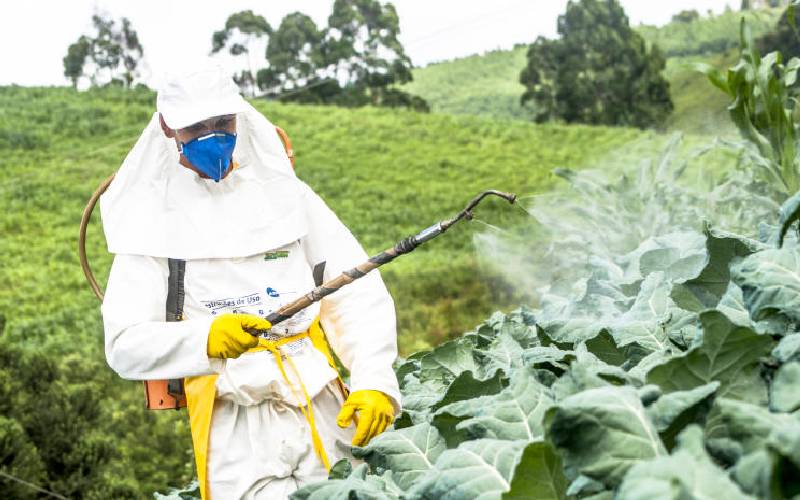
This year, as we mark the World Bee Day, it is imperative for all of us to take action to protect pollinators that in essence are the reason we have food on our table. Pollinators are declining due to biodiversity loss as a result of intensive agriculture and the use of toxic chemicals. With the decline of pollinators such as bees, our food security, which is already affected by the vagaries of the changing climatic patterns, is further stressed.
Subscribe to our newsletter and stay updated on the latest developments and special offers!













 join
join