×

The Standard e-Paper
Read Offline Anywhere
 The Standard Group Plc is a multi-media organization with investments in media
platforms spanning newspaper print operations, television, radio broadcasting,
digital and online services. The Standard Group is recognized as a leading
multi-media house in Kenya with a key influence in matters of national and
international interest.
The Standard Group Plc is a multi-media organization with investments in media
platforms spanning newspaper print operations, television, radio broadcasting,
digital and online services. The Standard Group is recognized as a leading
multi-media house in Kenya with a key influence in matters of national and
international interest.

Audio By Vocalize
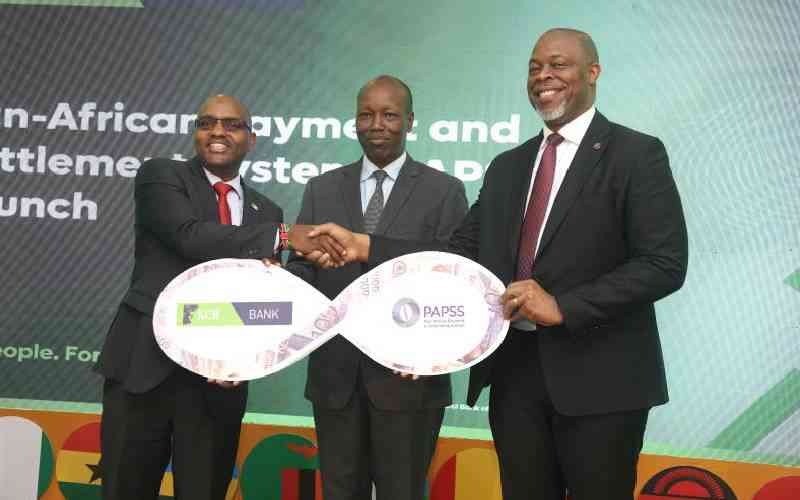
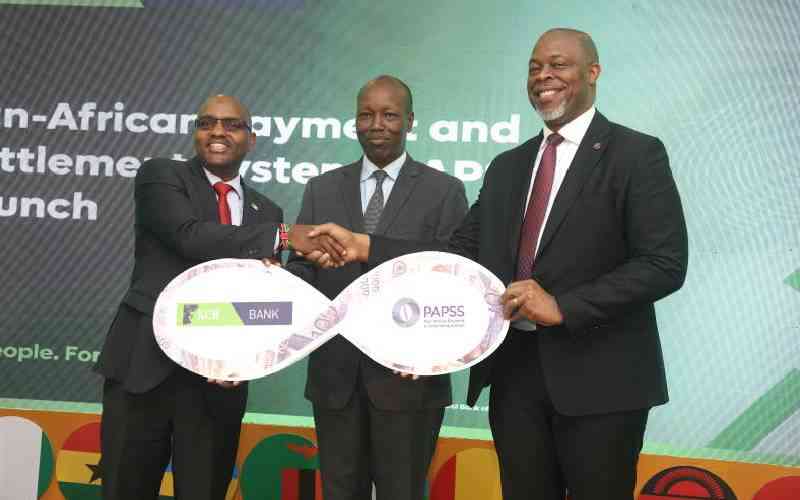
The Central Bank of Congo has formally joined the African Payments and Settlement System (PAPS), marking a significant step toward modernising the Democratic Republic of Congo’s (DRC’s) financial infrastructure and advancing continental economic integration.
This emerged during the 48th Annual Meeting of the Association of African Central Banks in Nairobi, where an interim chair for the Africa Monetary Institute was elected. DRC has been highlighted as one of the first Central African countries to join PAPS, helping expand connectivity in the region.
DRC’s membership means PAPS now connects 31 African countries, with 16 payment switches and over 200 commercial banks or financial institutions.
The institution is targeted to reach 39 countries by the end of 2026 for near-continental coverage.
Speaking at the ceremony, the Executive Vice President for Global Trade Bank at Afreximbank Haytham El Maayergi, described the move as a strategic commitment to deeper African financial connectivity.
“Your decision to join PAPS reflects a clear commitment to modernising the financial system of the Democratic Republic of Congo and positioning it at the centre of Africa’s economic integration,” Maayergi said. According to El Maayergi, trade accounts for 98 per cent of DRC’s gross domestic product, yet intra-African trade represents only 10 per cent of the country’s exports and imports.
“The gap is not a reflection of a lack of opportunities, but it’s a reflection of the structural barrier, particularly in how payments move across borders,” Maayergi noted. “Trade does not move on agreements alone; it moves on infrastructure.”
The system enables local-currency transactions, reducing reliance on hard currencies.
Central Bank of Congo Governor André Wameso Nkualoloki emphasised the broader strategic value.
“The action we are taking today goes beyond simply joining a payment infrastructure and reflects a strategic choice: to strengthen DRC’s integration into the African payments architecture and to contribute concretely to the continent’s economic and financial integration,” he said.
Nkualoloki stated that membership aligns with ongoing reforms to modernise payment systems and support the African Continental Free Trade Area.
“This membership should make cross-border payments faster, safer, and less expensive,” he stated.
“It should support trade, particularly for small and medium-sized enterprises, and promote financial inclusion through digital channels.”
He noted that the success of the system will depend on swift adoption and meeting technical and regulatory conditions. “Africa is building the system it needs, reducing our dependence on external systems,” Maayergi said.
At the ceremony, Yvon Sana Bangui, previously the Governor of the Bank of Central African States (BEAC) was voted the Interim chair of the Africa Monetary Institute, a bureau under the African Monetary Cooperation Programme.
Stay informed. Subscribe to our newsletter
The bureau, Africa Monetary Institute (AMI) coordinates the implementation of the macroeconomic convergence criteria and handles preparatory work for creating the African Central Bank.
The institute’s board is represented by board directors from the five African regions (North, West, East, Central, Southern). It will comprise three central bank governors, one designated per region.
The bureau will consist of a board chair from Central Africa, a first vice-chair from Eastern Africa, a second vice-chair from Northern Africa, a third vice-chair from Southern Africa, and a rapporteur from West Africa
These criteria for electing the bureau follow established African Union practice of regional distribution according to political order.
Within each region, the three designated governors are expected to consult and nominate their region’s representative on the bureau.
The term is set at two years.
Speakers at the ceremony noted that the process of electing leadership for the continental board, AMI, had stretched over years, leaving Africa without a strong unified voice in global forums.
The interim chair is elected as a bridge measure to keep work moving until a formal inaugural session elects the full office of chair, vice chairs and rapporteur.

Subscribe to our newsletter and stay updated on the latest developments and special offers!










 join
join