×

The Standard e-Paper
Join Thousands of Readers
 The Standard Group Plc is a multi-media organization with investments in media
platforms spanning newspaper print operations, television, radio broadcasting,
digital and online services. The Standard Group is recognized as a leading
multi-media house in Kenya with a key influence in matters of national and
international interest.
The Standard Group Plc is a multi-media organization with investments in media
platforms spanning newspaper print operations, television, radio broadcasting,
digital and online services. The Standard Group is recognized as a leading
multi-media house in Kenya with a key influence in matters of national and
international interest.

Audio By Vocalize

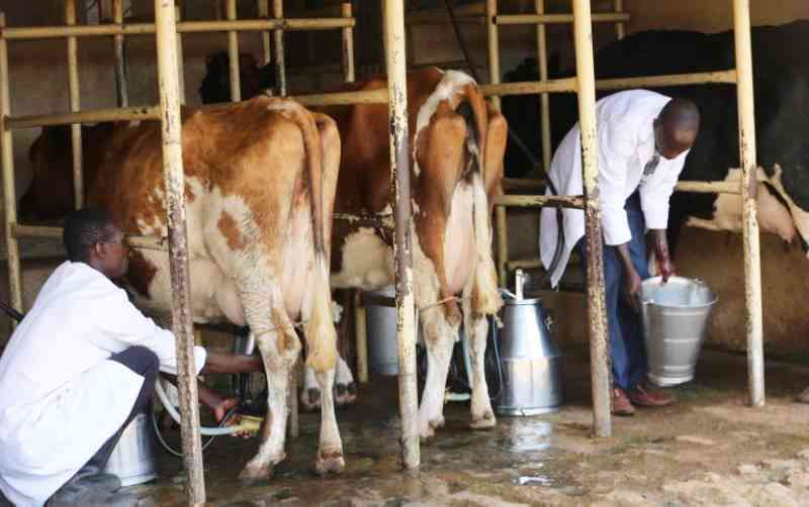
The over-reliance on rain-fed systems and the inconsistent feed costs have been identified as the main challenges currently facing the dairy sector in the country.
According to Heifer International, the situation has been worsened by the limited adoption of fodder conservation practices, such as silage making and hay preservation.
Currently, feed costs account for 60–80 per cent of production expenses, leaving farmers facing losses every year despite the country’s high dairy production potential.
According to Heifer International Country Director Wairimu Munyinyi, the country’s dairy sector plays a significant role in the economy and supports millions of livelihoods.
She, however, noted that productivity remains low due to weak market linkages, fragmented supply chains, and limited access to finance and mechanisation, which compound these challenges.
Wairimu added that climate variability and recurring shocks further disrupt feed availability, leading to reduced farmer incomes, poor animal health, low fertility, and fluctuating milk production.
“Other challenges include seasonal fodder shortages driven by reliance on rain-fed systems, high and inconsistent feed costs, and limited adoption of fodder conservation practices such as silage making and hay preservation,” she said.
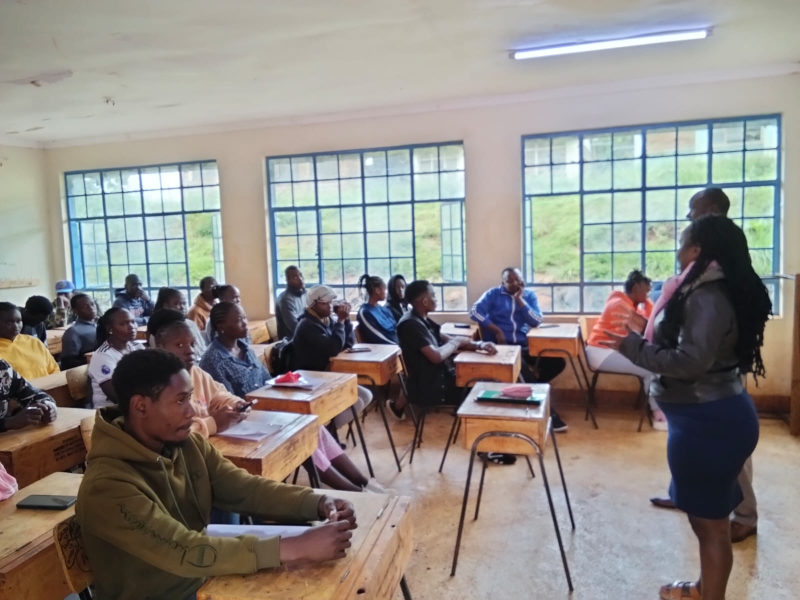
She was speaking in Naivasha during the launch of the ‘Transforming Yield through feed and fodder access in dairy’ (TYFFAD), which targets 50,000 small-scale dairy farmers in eight counties.
“This programme will respond to these constraints through a systems-strengthening approach that integrates production, markets, finance, and behaviour change,” she said.
She noted that the programme aims to improve resilience, increase productivity, and create sustainable pathways for smallholder dairy farmers to access reliable, affordable, high-quality feed and fodder throughout the year.
“The main objective of this programme is to strengthen the dairy sector by enhancing feed production, conservation, and distribution through private-sector-led training,” she said.
A director at KALRO, Dr Fredric Ogutu, said the organisation has established a 160-acre farm for high-energy lucerne production and a 30-acre farm for Rhodes grass to help address the country's deficit.
Ogutu noted that Kenya faces a feed deficit of 55 million metric tonnes annually, and that the organisation is at the forefront of research on high-protein species and fodder conservation.
KALRO Head of Knowledge, Information, and Outreach, David Mbugua, said the organisation now sells improved Kienyenji chickens that guarantee high egg production and are already supplying 500,000 chicks to farmers monthly.
Mbugua added that, thanks to modern research into improved pig breeds, the organisation has recorded high demand for the animals from farmers as more Kenyans adopt pork consumption.
Stay informed. Subscribe to our newsletter
Subscribe to our newsletter and stay updated on the latest developments and special offers!











 join
join