×

The Standard e-Paper
Home To Bold Columnists
 The Standard Group Plc is a multi-media organization with investments in media
platforms spanning newspaper print operations, television, radio broadcasting,
digital and online services. The Standard Group is recognized as a leading
multi-media house in Kenya with a key influence in matters of national and
international interest.
The Standard Group Plc is a multi-media organization with investments in media
platforms spanning newspaper print operations, television, radio broadcasting,
digital and online services. The Standard Group is recognized as a leading
multi-media house in Kenya with a key influence in matters of national and
international interest.

Audio By Vocalize

East African businesses have been urged to strengthen regional value chains and invest in value addition to fully capitalize on opportunities presented by the African Continental Free Trade Area (AfCFTA).
The initiative, supported by the African Development Bank through the Fund for African Private Sector Assistance (FAPA), aims to equip enterprises in the textile, leather and edible oil sectors with practical knowledge on exporting under the AfCFTA framework.
Speaking during the opening of the business clinic market access in Nairobi, Dr. Vimal Shah, Chairperson of the East African Business Council (EABC) and the African Development Bank (AfDB) EABC–AfDB, said East Africa must move beyond exporting raw materials and instead develop integrated regional value chains capable of competing across the continent.
"The African Continental Free Trade Area presents East Africa with an unprecedented opportunity to industrialize and expand trade across a market of 1.3 billion consumers. To benefit fully, we must strengthen regional value chains, increase value addition and improve the competitiveness of our industries," said Dr. Shah.
He noted that despite the region's abundant agricultural and livestock resources, East African countries continue to import significant volumes of value-added products that could be manufactured locally.
According to Dr. Shah, the East African Community (EAC) exported raw hides and skins worth Sh4.27 billion in 2023 while importing leather goods valued at Sh 6.34 billion, despite global trade in finished leather growing from Sh 7.38 trillion in 2005 to Sh 12.81 trillion in 2024.
He added that the region captured less than one per cent of global leather exports.
The textile sector also reflects a similar imbalance whereby in 2023, apparel exports from the EAC stood at Sh 21.35 billion compared to imports worth Sh 43.71 billion.
Meanwhile, vegetable oils and fats recorded exports of just Sh 35.84 billion against imports totaling Sh 194.09 billion.
Dr. Shah commended the institution for partnering with the EABC to strengthen the competitiveness of East African businesses and prepare them to access opportunities created under the AfCFTA.
He, however, acknowledged that industries continue to face several constraints, including limited processing capacity, low value addition, high production costs, skills shortages, regulatory differences and inadequate access to finance.

EABC Executive Director Ahmed Farah said the council would support businesses to join the Afreximbank Africa Trade Gateway platform to improve access to new markets.
"As the onboarding agent for the Afreximbank Africa Trade Gateway, EABC will support companies to access business-to-business matchmaking opportunities, market intelligence and trade finance solutions to facilitate trade under the AfCFTA," Farah said in a speech read by Trade and Policy Advisor Adrian R. Njau.
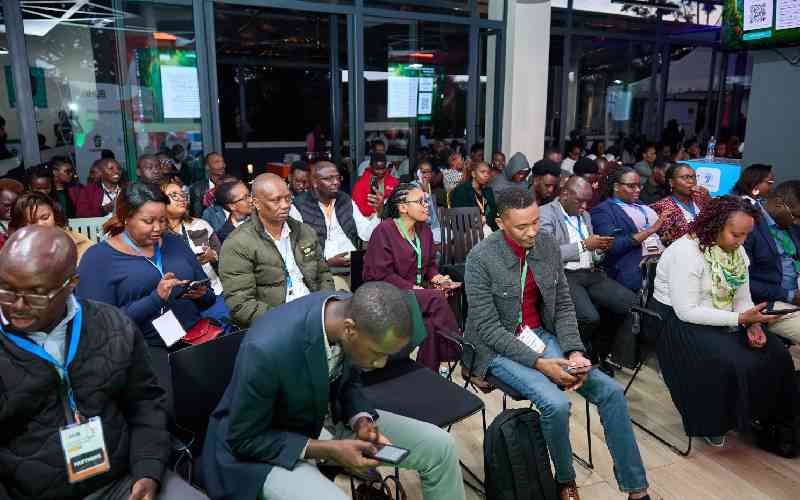
More than 50 enterprises drawn from Kenya's textile, leather and edible oil value chains are participating in the two-day clinic.
Participants are receiving training on Rules of Origin, tariff concessions, customs procedures, product standards, non-tariff barriers and export readiness, alongside one-on-one advisory support on market entry strategies.
Stay informed. Subscribe to our newsletter
The initiative supports the EAC Industrialisation Strategy 2012–2032, which seeks to increase the local value-added content of resource-based exports from 8.6 per cent to 40 per cent and raise intra-regional manufacturing exports from 5 per cent to 25 per cent by 2032.
According to the International Trade Centre's Export Potential Map, East African businesses have untapped export opportunities worth an estimated Sh 38.56 billion in apparel and textiles to South Africa, Sh 8.15 billion in vegetable oils and fats to India, and Sh 2.2 billion in leather products to Uganda, highlighting the significant opportunities available if regional industries become more competitive.

Subscribe to our newsletter and stay updated on the latest developments and special offers!










 join
join