×

The Standard e-Paper
Join Thousands of Readers
 The Standard Group Plc is a multi-media organization with investments in media
platforms spanning newspaper print operations, television, radio broadcasting,
digital and online services. The Standard Group is recognized as a leading
multi-media house in Kenya with a key influence in matters of national and
international interest.
The Standard Group Plc is a multi-media organization with investments in media
platforms spanning newspaper print operations, television, radio broadcasting,
digital and online services. The Standard Group is recognized as a leading
multi-media house in Kenya with a key influence in matters of national and
international interest.

Audio By Vocalize
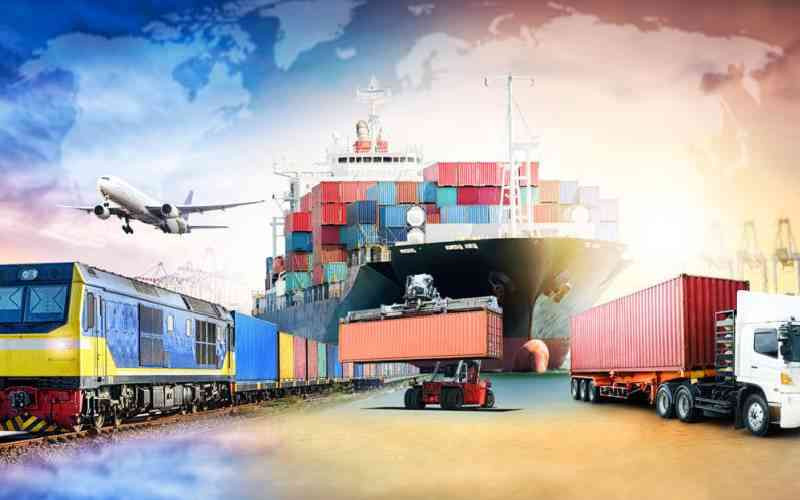
Importers and exporters have opposed the proposed 16 per cent VAT on aircraft spare parts in the 2026 Financial Bill, saying it would increase the cost of freight.
They also said the reintroduction of the Railway Development Levy (RDL) and Import Declaration Fee (IDF) would increase the cost of importing and exporting goods.
Under their amber umbrella, the Shippers Council of East Africa (SCEA), the traders said some provisions in the bill will increase the operational costs.
“Airfreight handling and turnaround will increase operational cost across the entire air cargo supply chain and raise freight rates for exporters and importers,” said SCEA.
In a petition to the treasury, SCEA said the reintroduction of VAT on spare parts was a threat to food security, warning that the cost would be passed to the farmers.
They said the proposed taxes will increase the cost of maintaining aircraft fleets, the cost of aviation ground support equipment and freight forwarding and cargo handling operations.
“The combined effect of VAT, IDF and RDL creates multiple tax burdens that will negatively impact the affordability and competitiveness of Kenya's air cargo services,” said the members.
They complained that this decision will increase the cost of export trade of horticulture, floriculture, pharmaceutical, seafood and high-value manufacturing sectors, which depend on affordable and reliable airfreight services.
High aviation taxes will increase export logistics cost and reduce our competitiveness in international markets, particularly against Ethiopia and Rwanda that continue to provide supportive fiscal frameworks for aviation growth,” says the petition.
They argued that there would be risks of diversion of cargo traffic and maintenance from Kenya, which was detrimental to the farmers.
“The proposed taxes may encourage airlines and operators to relocate aircraft maintenance activities outside the country, source cargo handling and technical services from neighbouring countries, shift regional cargo consolidation to competing airports, “says the petition.
The members explained that this action will undermine Kenya’s ambition to position Nairobi as a regional aviation and logistics hub.
They are appealing to the government to reconsider the proposed measures to safeguard Kenya’s strategic trade and transport position in the region.
The members want the government to conduct a comprehensive economic impact assessment on the effect of these measures on exports, trade facilitation and regional logistics competitiveness and adopt policies that reduce rather than increase the cost of trade and logistics in the country.
Stay informed. Subscribe to our newsletter
They argued that the proposed tax measures will create safety risks and will negatively impact the employment of youths and discourage those who want to invest in the industry in the country.
“Undertake structured stakeholder consultation with aviation, cargo and logistics industry players before implementation.”
They urged the government to maintain VAT exemptions on aircraft parts and aviation equipment.


Subscribe to our newsletter and stay updated on the latest developments and special offers!











 join
join