×

The Standard e-Paper
Smart Minds Choose Us
 The Standard Group Plc is a
multi-media organization with investments in media platforms spanning newspaper
print operations, television, radio broadcasting, digital and online services. The
Standard Group is recognized as a leading multi-media house in Kenya with a key
influence in matters of national and international interest.

Audio By Vocalize
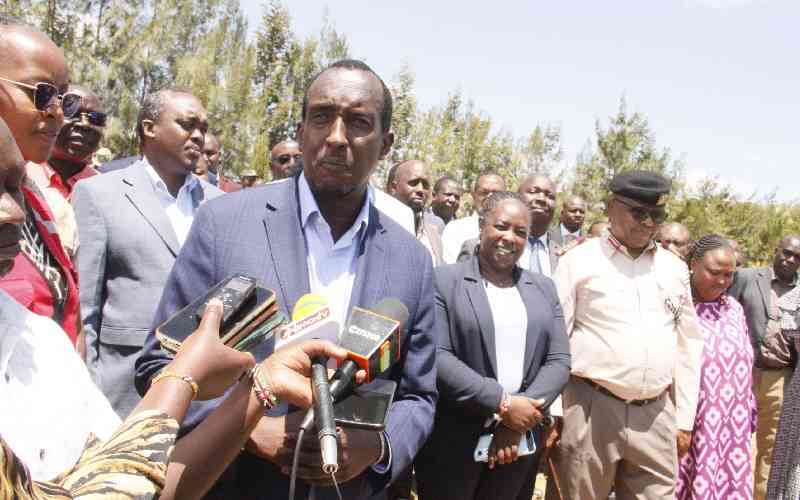
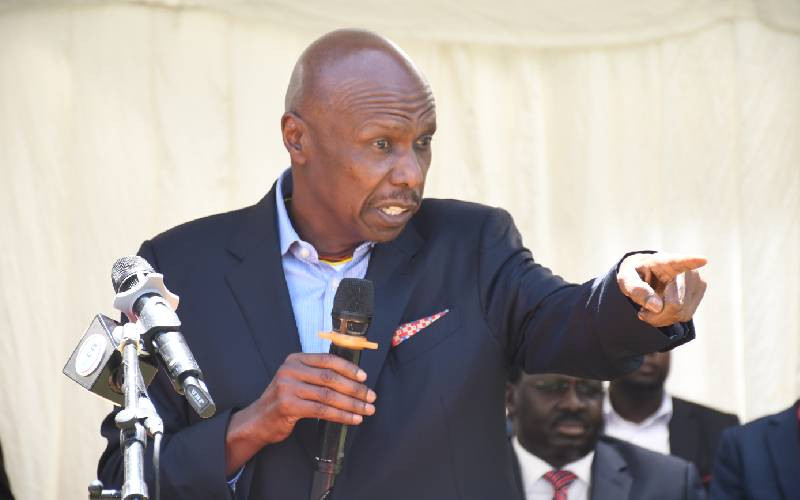
Narok Governor Patrick Ole Ntutu. Residents have protested the killing of livestock by police during a security operation in Samburu County. [File, Standard]
It's all systems go for the fourth edition of the annual Maa Cultural Festival, slated for November 10-14, 2026, amid boycott calls over alleged unpaid bills from the previous event.
As the organisers of the event met in Narok on Tuesday, a section of Maa leaders, led by East African Legislative Assembly (EALA) MP David Ole Sankok, called for a boycott.
Sankok raised the issue of the killing of livestock in Samburu County by security personnel during a security operation, arguing that the celebrations should not continue until the government compensates the herders.
“Cattle haters will go to the Maasai cultural festival to celebrate in Narok, but cattle lovers and Maa defenders will go to Laresoro, Samburu East, unless Samburu cattle are paid in a Maa culturally accepted method (Enyamu),” he said.
His position has placed the cattle compensation dispute at the centre of the festival debate, with livestock representing not only economic wealth but also cultural identity, livelihoods and social standing among pastoralist communities.
The boycott calls gained momentum following complaints from local artists, suppliers, masters of ceremonies, traders and creative influencers, who accuse organisers of failing to settle financial obligations from previous editions.
Online activists and community groups have launched campaigns under the banner “Boycott Maa Cultural Week”, demanding transparency in procurement, timely payments and fair treatment of local service providers.
However, the event organisers drawn from the three Maa counties have confirmed that the festival's approved budget is approximately Sh317 million and have dismissed allegations of unpaid suppliers and financial mismanagement.
Maa Economic Bloc (MAAEB) Chief Executive Officer Jackson ole Mpario said the claims circulating on social media and other platforms were misleading, insisting that organisers had met their financial obligations in implementing the events.
“These people speaking on social media and other platforms are not telling the truth. As organisers, we have been meeting our obligations in carrying out these events, so all these allegations are not true,” Mpario said.
The budget confirmation has, however, done little to silence critics who question whether the expenditure is justified amid persistent challenges in healthcare, education, water supply, and other essential services.
Kim Lemayian, a global researcher on indigenous communities in Africa, estimates that if each of the four editions cost more than Sh300 million, cumulative expenditure could exceed Sh1.2 billion.
The figure remains an estimate and has not been independently verified against actual expenditure records.
Stay informed. Subscribe to our newsletter
“Resources of such magnitude could support hospitals, schools, university infrastructure, water projects and other public amenities with lasting benefits instead of mounting a dancing and eating event,” Lemayian said.
Critics are also concerned about economic exclusion, particularly tourism establishments that market Maasai-inspired cultural products while local artisans, including women engaged in beadwork and traditional crafts, struggle to secure a fair share of the market.
Narok Senator Ledama Ole Kina has acknowledged the concerns raised by boycott proponents, particularly complaints about political theatrics, unfulfilled promises and the alleged mistreatment of suppliers.
The senator said he had skipped the first three editions because he felt they lacked sufficient focus on meaningful economic development.
“To those calling for a boycott of the Maa Cultural Week, I hear you,” he said.
However, Ole Kina has rejected calls to stay away, arguing that participation offers an opportunity to push for a different approach.
“But walking away changes nothing. This year, I am attending because it is time to shift the narrative,” he said.
He cited Enkanasa Cow, an initiative focused on developing high-quality products from Maasai cow milk, as an example of how traditional resources could be transformed into viable business opportunities.
A key highlight will be the presentation of the proposed Maa Marshall Plan, an initiative championed by Kajiado Governor Joseph Ole Lenku in collaboration with Prof. Ole Sena of ILU and the governor's adviser, John Kamanka.
Narok County Secretary Mayiani Tuya, who is coordinating preparations, said the blueprint seeks to advance the social and economic development of the Maa community by addressing its priority needs.
Tuya said the leaders also inspected the festival venue at Sekenani Gate, where they assessed infrastructure readiness, programming, partnerships and logistical arrangements.
The three previous editions were held at Sekenani Gate in Narok in 2023, at Samburu National Reserve in 2024, and at Kimana Gate in Amboseli National Park, Kajiado, in 2025.
Promoted under the theme “Promoting Maa Cultural Expressions for Socio-Economic Development”, the festival will feature traditional music and dance, wrestling, beadwork, fashion, traditional cuisine, storytelling, poetry and economic forums focusing on tourism and investment.
The three counties have reaffirmed their commitment to positioning the festival as a major cultural and tourism attraction while advancing the wider interests of the Maa community.
Subscribe to our newsletter and stay updated on the latest developments and special offers!


 Prefer the Standard on Google