×

The Standard e-Paper
Home To Bold Columnists
 The Standard Group Plc is a
multi-media organization with investments in media platforms spanning newspaper
print operations, television, radio broadcasting, digital and online services. The
Standard Group is recognized as a leading multi-media house in Kenya with a key
influence in matters of national and international interest.

Audio By Vocalize
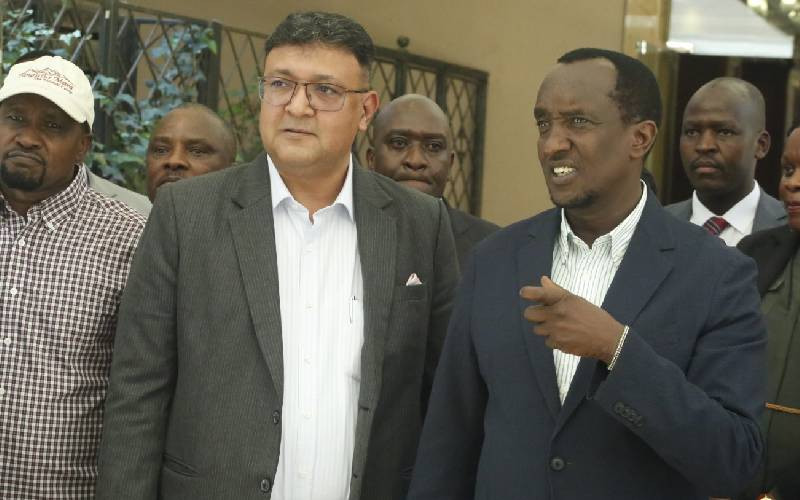
Organisers of the Maa Cultural and Tourism Festival are seeking an additional Sh100 million to finance this year’s event, with more than 100,000 people expected to attend the five-day gathering at the Maasai Mara in Narok County.
The festival, scheduled for November 10 to 14, is expected to cost Sh317 million, with the national government and the county governments of Narok, Kajiado and Samburu committing Sh217 million.
Narok Governor Patrick Ole Ntutu said the national government had contributed Sh100 million, while Narok County had committed Sh40 million.
Kajiado and Samburu counties had each pledged Sh30 million. The organising committee is seeking the remaining Sh100 million from partners and other stakeholders as preparations gather pace.
Transport and accommodation are among the major expenses, with Sh16 million budgeted to transport an estimated 2,000 participants from various sub-counties across the three counties.
Accommodation is expected to cost another Sh40 million.
Speaking during a stakeholders’ engagement forum, Governor Ntutu said the festival was established to preserve Maa traditions and pass them on to future generations.
He, however, warned politicians against using the event to advance their political interests, insisting it should remain focused on culture.
“The festival is not political, and we don’t want any politics in the festival,” he said.
President William Ruto is expected to attend the closing ceremony on November 14.
Businesses eye tourism gains
The organisers are banking on the expected turnout to generate business for hotels, transport operators, traders and other enterprises serving the Maasai Mara tourism circuit.
MAAEB Chief Executive Officer Mario said visitors would require accommodation, food, transport and other services, creating opportunities for businesses in the area.
Stay informed. Subscribe to our newsletter
However, the extent of the economic benefits will depend on visitor turnout and how much spending reaches local enterprises.
Narok County Secretary Mayani Ole Tuya, who chairs the festival’s organising committee, said the stakeholders’ forum was convened to explore ways of maximising the event’s economic and tourism benefits.
The festival was first held in Narok in 2023 before moving to Samburu in 2024 and Kajiado in 2025. This year’s edition returns to Narok.
Mario said organisers hoped to make the festival an annual event held around the first Wednesday of November, allowing tourism operators and investors to plan their activities.
Weather Concerns
Organisers are also preparing for possible heavy rains during the event, with plans to use weather-resistant tents and improve access roads.
These measures will help ensure participants can access the venue and that activities proceed despite potentially difficult weather conditions.
Meanwhile, Narok and Kajiado counties are planning to connect their wildlife reserves, a move expected to strengthen tourism links between the two counties.
The proposed initiative would complement the festival’s focus on cultural heritage and tourism by linking wildlife attractions with Maa traditions.
Subscribe to our newsletter and stay updated on the latest developments and special offers!


 Prefer the Standard on Google







 join