×

The Standard e-Paper
Stay Informed, Even Offline
 The Standard Group Plc is a
multi-media organization with investments in media platforms spanning newspaper
print operations, television, radio broadcasting, digital and online services. The
Standard Group is recognized as a leading multi-media house in Kenya with a key
influence in matters of national and international interest.
The Standard Group Plc is a
multi-media organization with investments in media platforms spanning newspaper
print operations, television, radio broadcasting, digital and online services. The
Standard Group is recognized as a leading multi-media house in Kenya with a key
influence in matters of national and international interest.

Audio By Vocalize
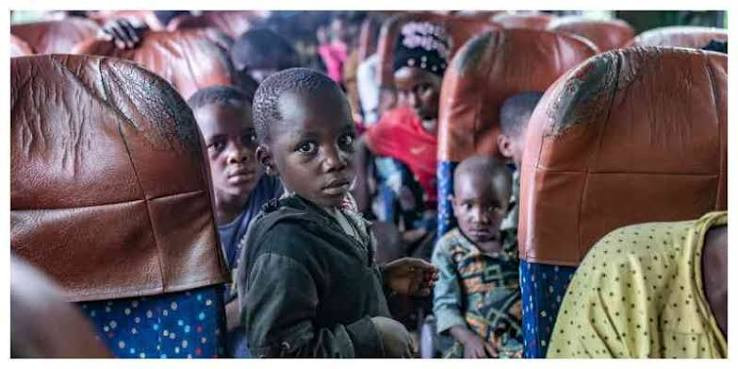
For a child fleeing war, conflict or persecution, crossing a border should mark the end of fear, not the beginning of another nightmare.
Yet the heartbreaking reality from Kakuma Refugee Camp is that majority of children who fled violence in their home countries are facing fresh dangers in what should be a place of safety.
The story highlighted in The Saturday Standard yesterday, is not just about statistics; it is about shattered childhoods and dreams. It reminds us that survival alone is not enough. A child who has escaped bullets should not endure abuse, exploitation, neglect, trafficking or hunger in a refugee settlement.
Kakuma has long been a symbol of hope for people escaping conflict from South Sudan, the Democratic Republic of Congo, Somalia, Ethiopia and other neighbouring countries. Kenya deserves recognition for keeping its borders open to those seeking protection despite enormous economic and social pressures.
Hosting hundreds of thousands of refugees is no small commitment, and it reflects the country's humanitarian spirit. However, providing shelter is only the first step. Refugee children require comprehensive protection that guarantees their dignity, safety and future.
They need access to education, healthcare, counselling, nutritious food and secure living conditions. Above all, they deserve protection from those who prey on their vulnerability.
Children separated from their parents are particularly at risk. Without strong family support systems, many become easy targets for traffickers, child labour, forced marriages and various forms of abuse. Girls face heightened risks of sexual violence and exploitation, while boys are often pushed into hazardous work or criminal activities.
Trauma left untreated can scar children for life, affecting their education, mental health and ability to contribute positively to society. The responsibility does not rest with humanitarian agencies alone. The Kenyan government, the United Nations, donor countries and civil society organisations must strengthen child protection systems within refugee camps.
More trained social workers, child-friendly spaces, trauma counselling, better lighting, improved security patrols and efficient reporting mechanisms are urgently needed. Every allegation of abuse should be investigated promptly, with perpetrators brought to justice regardless of their status.
The international community must also shoulder its fair share of responsibility. Countries that have the resources to support refugee programmes should not reduce humanitarian funding at a time when global displacement continues to rise. Budget cuts translate directly into fewer teachers, healthcare workers, counsellors and protection officers—leaving vulnerable children exposed to even greater risks.
Ultimately, how the world treats refugee children reflects its commitment to humanity itself. Every child, regardless of nationality or legal status, has the right to protection, education and hope. Refugees are not merely numbers in humanitarian reports; they are children with dreams, talents and limitless potential.
If Kakuma is to remain a sanctuary rather than another place of suffering, protecting its youngest residents must be top most priority. The true measure of compassion is not simply opening the gates to those fleeing danger, but ensuring they can finally live without fear.
Subscribe to our newsletter and stay updated on the latest developments and special offers!

 Prefer the Standard on Google







 join
join