×

The Standard e-Paper
Kenya’s Boldest Voice
 The Standard Group Plc is a
multi-media organization with investments in media platforms spanning newspaper
print operations, television, radio broadcasting, digital and online services. The
Standard Group is recognized as a leading multi-media house in Kenya with a key
influence in matters of national and international interest.
The Standard Group Plc is a
multi-media organization with investments in media platforms spanning newspaper
print operations, television, radio broadcasting, digital and online services. The
Standard Group is recognized as a leading multi-media house in Kenya with a key
influence in matters of national and international interest.

Audio By Vocalize
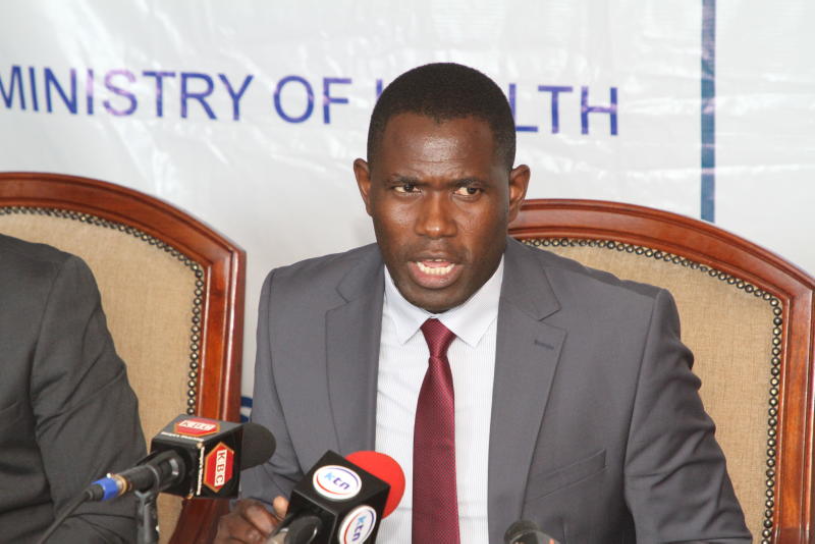
Today, 6,360 young Kenyans will walk into Afya House and walk out with something their seniors fought for in the streets to get: A posting letter, on time, as promised. It is a small administrative act. It also says something quietly important about how this administration is deliberate with the health workforce.
Not long ago, the posting of medical interns was one of the most reliable triggers of industrial action in Kenya's health sector. Letters came after a lag, or came short of the number promised, or came without clarity on pay. Doctors, nurses, dentists, pharmacists and clinical officers who had just finished years of training found themselves negotiating their first job through placards rather than simple paperwork. That is no longer the default story. The deployment of interns has become a routine, predictable, calendar event. Notably, 6,484 interns were posted on schedule last year, 6,360 posted this year, each cohort collecting their letters on time and without drama.
I say this from inside the history, not outside it. I spent years as Secretary-General of the Kenya Medical Practitioners and Dentists Union negotiating exactly these grievances, cohort after cohort, before this kind of predictability existed. We know what it costs a system when the workforce question is left to fester, and we know how much steadier things become when it is taken seriously at the highest level. The President has taken it seriously. Health workforce reform now sits inside the wider health agenda alongside health financing reforms, the local manufacturing strategy for health products and technologies, the reform of the Kenya Medical Supplies Authority, and the digital health transformation. None of these stand alone; together they describe a system built deliberately rather than assembled by accident.
Part of why the medical internship programme is going on smoothly is that we have become more precise about what an internship actually is. Worldwide, an internship is a Focused Professional Practice Evaluation (FPPE). FPPE is a structured, time-bound assessment of a newly graduated professional's competence and conduct under real working conditions, used to decide whether that person is fit for independent practice. It is not classroom training, and it is not supervision in the loose sense the word is often used.
It is evaluation through real work, on real patients. Interns in Kenya do an estimated 27 per cent of all medical work in our hospitals, and that year of practice ends not in a certificate but in full registration as a doctor, dentist, pharmacist or clinical officer. It is a regulation, because it determines who is fit to practise unsupervised. It is also labour because the patient in the ward at 2am is being treated by that intern, regardless of the title. Confusing the two has caused many of our old disputes. Naming both correctly and paying for both honestly is what keeps a posting day calm.
That clarity matters most for young professionals at the start of a career. Every doctor, nurse, pharmacist, dentist and clinical officer deserves to start their working life with dignity, a clear letter, a fair placement, and a system that has already thought through how they will be supervised and supported. Patients, in turn, deserve a confident, properly resourced clinician at their bedside.
Much of Africa is still working through the same questions Kenya wrestled with for years: how to treat its newest health workers as the licensed, regulated, working professionals they are, not merely as trainees. This is why Kenya supported the establishment of the Africa Centre for Health Workforce Initiative and Transformation to enable Africa’s health systems learn from what Kenya has built.
Dr Oluga is the Principal Secretary, State Department for Medical Services
Subscribe to our newsletter and stay updated on the latest developments and special offers!


 Prefer the Standard on Google







 join
join