×

The Standard e-Paper
Kenya’s Boldest Voice
 The Standard Group Plc is a
multi-media organization with investments in media platforms spanning newspaper
print operations, television, radio broadcasting, digital and online services. The
Standard Group is recognized as a leading multi-media house in Kenya with a key
influence in matters of national and international interest.
The Standard Group Plc is a
multi-media organization with investments in media platforms spanning newspaper
print operations, television, radio broadcasting, digital and online services. The
Standard Group is recognized as a leading multi-media house in Kenya with a key
influence in matters of national and international interest.
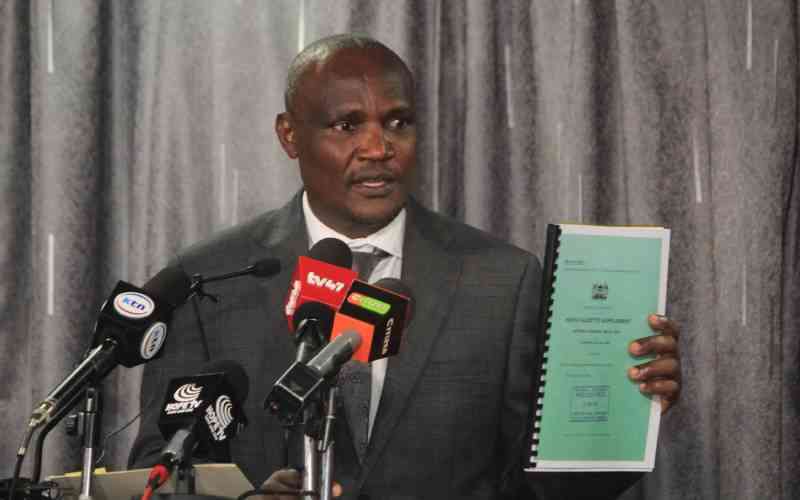
With public participation on the 2026 Finance Bill and the 2026/27 budget estimates now complete, we should expect the respective Finance & Planning, and Budget & Appropriations, Committees of the National Assembly to issue their eagerly-awaited reports, which will lead to the 2026 Finance and Appropriations Acts at any moment in the coming month. In simple terms, we will get to learn about tax changes, but spending as a total for 2026/27.
You can probably see an argument that we shouldn’t just be looking at changes to revenue, but the total revenue, in order to have a full budget picture. In other words, not just a Finance Bill/Act, but an Annual Revenue Bill/Act to mirror the Annual Appropriations Bill/Act, because you cannot spend what you don’t have. Part of this reasoning was offered in the case against the 2023 Finance Act, but the Supreme Court didn’t buy it. The counterargument against a Revenue Act is that our revenue-raising acts are “permanent”, needing only adjustment, as is broadly the case around the world. Put differently, because governments are perpetual, so are their tax laws. Or more crudely, as long as we have government, we will have spending, so we need these taxes.

Subscribe to our newsletter and stay updated on the latest developments and special offers!











 join
join