×

The Standard e-Paper
Stay Informed, Even Offline
 The Standard Group Plc is a
multi-media organization with investments in media platforms spanning newspaper
print operations, television, radio broadcasting, digital and online services. The
Standard Group is recognized as a leading multi-media house in Kenya with a key
influence in matters of national and international interest.
The Standard Group Plc is a
multi-media organization with investments in media platforms spanning newspaper
print operations, television, radio broadcasting, digital and online services. The
Standard Group is recognized as a leading multi-media house in Kenya with a key
influence in matters of national and international interest.

Audio By Vocalize
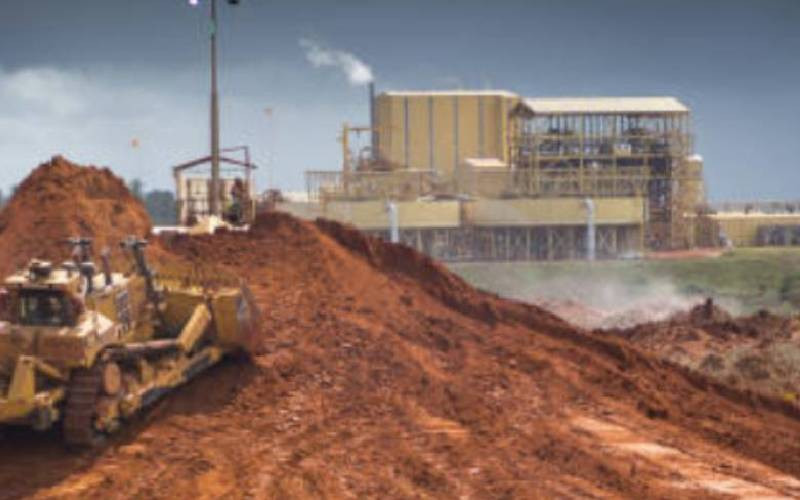
Every age has its strategic resource. Coal powered the Industrial Revolution. Oil shaped the politics of the 20th Century. Today, the world is turning to critical minerals: lithium, cobalt, nickel, graphite, copper, manganese, titanium, niobium and rare earth elements. These minerals are used in batteries, electric vehicles, solar panels, wind turbines, electricity grids, smartphones, data centres, satellites, aircraft and defence systems. They are no longer just mining commodities. They are instruments of power.
Globally, demand for critical minerals is rising because countries are trying to solve three problems at once: energy insecurity, climate change and technological competition. The current energy crisis is not only about the price of fuel. It is also about how states can secure reliable electricity, reduce dependence on imported fossil fuels, build renewable energy systems and protect strategic supply chains. Solar panels, wind farms, battery storage and electric mobility all depend on minerals. A country that cannot access or process them may struggle to compete in the new energy economy.
This explains why critical minerals have become part of multipolar rivalry. The United States, China, the European Union, India, Japan, Gulf states and others are all looking for secure supplies, trusted partners and processing capacity. The real power is not only in the country where the minerals are mined. It is also in the country that refines, processes, finances, transports and manufactures the final products. If Africa only exports raw minerals while others process them, the continent will repeat the old pattern of resource extraction without transformation.
Kenya is not yet a major global producer of critical minerals, but it has an important opportunity. The country has identified potential in rare earths, niobium, titanium, fluorspar, manganese, copper and other strategic minerals. Mrima Hill in Kwale County, associated with rare earth elements and niobium, has attracted national attention. Kenya also has an advantage in geography. Its access to the Indian Ocean, the port of Mombasa, regional transport corridors and its position in East Africa can help it become part of a wider minerals value chain.
Critical minerals raise constitutional questions. The Constitution requires natural resources to be managed in a way that benefits the people. Article 42 protects the right to a clean and healthy environment. Article 69 requires sustainable exploitation, conservation of natural resources, public participation, environmental impact assessment and equitable sharing of benefits. These principles are not decorative. They should guide how Kenya negotiates mining contracts, protects communities and prevents environmental harm.
National security must also be understood broadly. It is not only about borders, soldiers and weapons. It is about energy independence, industrial capacity, technology, jobs, environmental stability and control over strategic resources. If Kenya exports raw minerals and later imports expensive finished products, it will lose value and weaken its bargaining power. If it processes minerals locally, supports local suppliers and builds industries around them, minerals can support employment, manufacturing and economic sovereignty.
The danger is the familiar resource curse. Mineral excitement can lead to opaque deals, elite capture, environmental damage, displacement and community anger. Counties and communities where minerals are found will expect roads, schools, water, jobs and a fair share of benefits. If those expectations are ignored, mining can create conflict.
Kenya should therefore treat critical minerals with ambition, caution and honesty.
—The writer is a diplomacy and foreign policy expert
Subscribe to our newsletter and stay updated on the latest developments and special offers!


 Prefer the Standard on Google








 join
join