×

The Standard e-Paper
Kenya’s Boldest Voice
 The Standard Group Plc is a
multi-media organization with investments in media platforms spanning newspaper
print operations, television, radio broadcasting, digital and online services. The
Standard Group is recognized as a leading multi-media house in Kenya with a key
influence in matters of national and international interest.

Audio By Vocalize
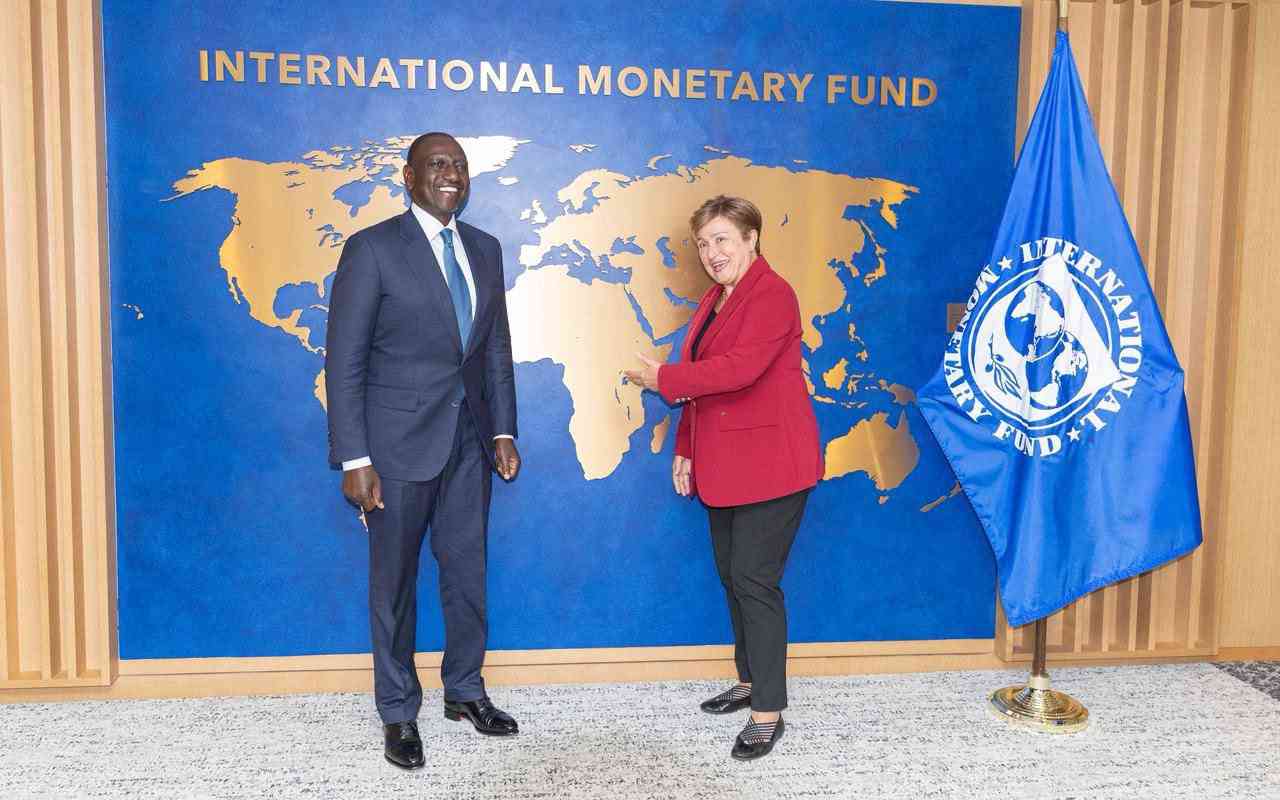
Rights groups under the Okoa Uchumi umbrella have demanded the immediate release of the final IMF Governance and Anti-Corruption Diagnostic Report for Kenya, and its tabling in Parliament for public scrutiny.
In a statement on Friday, November 6, the groups called on the government to publish the findings and provide a timeline for implementing its recommendations, saying Kenyans have a right to hold leaders accountable.
They said the demand comes amid renewed focus on corruption following this week’s release of the World Bank’s latest Kenya Economic update, which identified graft as a major obstacle to economic growth.
“The government must honour that demand. Release the report to citizens. Table it in Parliament and let Kenyans hold power to account,” the groups said.
They cited remarks by National Treasury Principal Secretary Chris Kiptoo, who indicated during the launch of the World Bank report that the government would make the IMF assessment public.
Kenya requested the IMF assessment in September 2024. The first version was submitted to the government in December 2025, before undergoing a review. The final report was received in June 2026.
The issue returned to Parliament on Thursday when Geoffrey Wandeto sought an update from the Departmental Committee on Finance and National Planning. The committee is expected to respond within two weeks.
However, the lobby groups said the government had yet to set a date for releasing the report.
The assessment was commissioned after the 2024 Gen Z protests, during which young people demanded accountability, an end to corruption and better management of public resources.
The groups said the report involved public consultations and was funded by taxpayers, making its findings a matter of public interest. It examines weaknesses in governance, corruption risks and institutional failures that undermine the management of public resources. The groups said these problems contribute to the economic hardships facing ordinary Kenyans, particularly young people and grassroots communities.
“We, the people of Kenya, cannot continue financing diagnostics, commissioning investigations and holding public consultations only for findings and recommendations to be hidden from citizens,” they said.
They added that the demands raised during the 2024 protests should not be met with secrecy, calling for transparency, accountability and responsible management of public resources. “Kenya’s future must not be built behind closed doors,” they said, adding that young people who took part in the #RejectFinanceBill2024 protests deserved to know the report’s findings.
The World Bank’s 34th Kenya Economic Update estimates that corruption and collusion cost the country about 2 per cent of its gross domestic product annually and contribute to a widening fiscal deficit.
The report identifies the police service, land offices and motor vehicle registration as some of the institutions where bribery is most common.
It also warns that corruption undermines job creation and worsens the public debt burden, which stands at 72.3 per cent of GDP.
Stay informed. Subscribe to our newsletter
Subscribe to our newsletter and stay updated on the latest developments and special offers!


 Prefer the Standard on Google