×

The Standard e-Paper
Stay Informed, Even Offline
 The Standard Group Plc is a
multi-media organization with investments in media platforms spanning newspaper
print operations, television, radio broadcasting, digital and online services. The
Standard Group is recognized as a leading multi-media house in Kenya with a key
influence in matters of national and international interest.
The Standard Group Plc is a
multi-media organization with investments in media platforms spanning newspaper
print operations, television, radio broadcasting, digital and online services. The
Standard Group is recognized as a leading multi-media house in Kenya with a key
influence in matters of national and international interest.

Audio By Vocalize
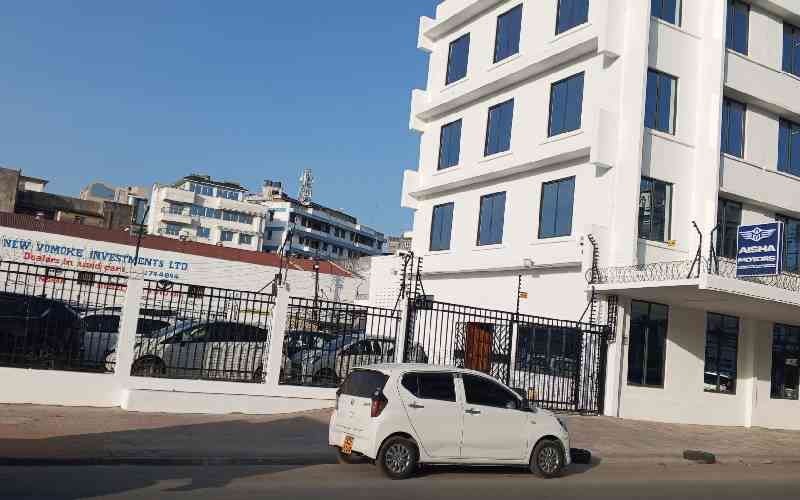
A motor showroom along Moi Avenue in Mombasa. It was constructed after the demolition of Motor Mart building, on January 18, 2026. [Omondi Onyango, Standard]
The number of second-hand car showrooms in Mombasa has grown rapidly over the past year as dealers increasingly stock imported vehicles in the port city before distributing them to regional markets.
Mombasa Port, now often described as Kenya’s “second Dubai” despite not being a free tax zone, has attracted more than 200 second-hand car showrooms, signalling a booming trade. Dealers prefer the city because it is the main entry point for imported vehicles and offers easier logistics before onward transport to other parts of the country.
Among the new showrooms along Moi Avenue is Aisha Motors, located on land where the Motormart building—owned by the Kenya Ports Authority pension scheme—was demolished last November. The demolition of several long-standing buildings that once defined the port city has raised questions about shifting ownership and the emergence of new wealthy investors replacing traditional landlords.
Some prominent property owners have also cleared buildings to make way for car yards. Among them is the Kenyatta family, which demolished a building along Moi Avenue opposite Diamond Trust Bank to pave the way for second-hand car dealerships.
Kenya International Freight Warehouse Association (KIFWA) Secretary General Clement Ngala says leasing space to car dealers has become more lucrative for landlords than maintaining old commercial buildings with multiple tenants. He notes that some of the demolished properties had become financial burdens, with rental income insufficient to cover land rates and maintenance costs.
Investigations also reveal that many office spaces in Mombasa’s central business district remain vacant due to sluggish business activity, compounded by the relocation of offices to Nyali.
However, Ngala insists that second-hand car traders are enjoying robust business nationwide. He attributes the demand to a growing population and an expanding middle-income class. “There is high demand for vehicles below 1,800cc, especially among Kenyans engaged in business,” he said, adding that car ownership has increasingly become a lifestyle necessity.
Otieno, however, expressed concern that while car ownership has risen, the number of vehicles imported has declined following the introduction of new taxes.

Subscribe to our newsletter and stay updated on the latest developments and special offers!








 join
join