×

The Standard e-Paper
Join Thousands Daily
 The Standard Group Plc is a
multi-media organization with investments in media platforms spanning newspaper
print operations, television, radio broadcasting, digital and online services. The
Standard Group is recognized as a leading multi-media house in Kenya with a key
influence in matters of national and international interest.
The Standard Group Plc is a
multi-media organization with investments in media platforms spanning newspaper
print operations, television, radio broadcasting, digital and online services. The
Standard Group is recognized as a leading multi-media house in Kenya with a key
influence in matters of national and international interest.

Audio By Vocalize
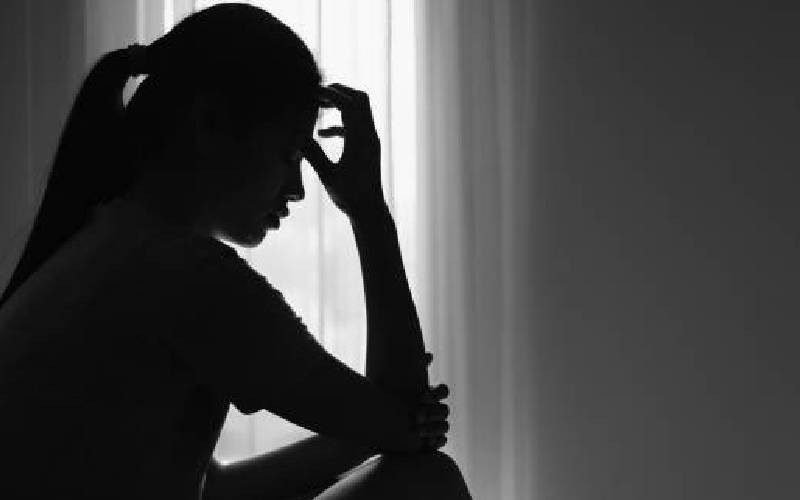
After experiencing any form of gender-based violence (GBV), support remains critical to a survivor’s healing and recovery.
While public attention often focuses on medical treatment and justice immediately after an incident, the emotional, psychological and physical effects can last for years.
Survivors need more than emergency care. They require legal assistance, psychosocial support, education opportunities, family tracing and reintegration, and, in some cases, economic empowerment to help rebuild their lives.
Yet, with limited government support, much of this responsibility falls on grassroots organisations, civil society groups and volunteers, many of whom rely heavily on donor funding to provide shelter and essential services.
Stakeholders say these organisations are increasingly struggling under the weight of rising GBV cases and limited resources.
One of the biggest challenges is the shortage of shelters for survivors.
According to a 2023 report by the UN Women Africa Office, Kenya had only 54 operational shelters and rescue centres spread across 18 of the country’s 47 counties. Of these, only two were government-run.
Most shelters are operated by human rights defenders and civil society organisations, providing critical services, such as temporary accommodation, counselling, legal support and skills training. However, many remain chronically underfunded and operate beyond capacity.
For some organisations, supporting survivors has become a daily struggle.
Lilian Akinyi, a social worker at Maisha Girls Safe House, which mainly rescues girls under 18 who have experienced sexual violence, says shelters often become the only safe place available.
“Some of these girls are defiled by their fathers, uncles, caregivers, pastors and other people they trust. Sometimes the shelter is the only safe place they have,” she says.
The facility provides temporary accommodation, usually for six months, although some cases require longer stays. “Sometimes we extend their stay because of unforeseen challenges, especially court cases. We have one case that has been in court for almost three years,” she says.
Since January 2026, the shelter has handled 54 cases from different counties.
For Beatrice Karore, founder of Wanawake Mashinani Initiative, which supports survivors in Mathare’s Mlango Kubwa area, running a shelter comes with numerous challenges.
“Getting counsellors is difficult. Basic needs such as food, clothes and mattresses are also a challenge. We largely depend on sponsors and sometimes have to use our own money just to continue supporting survivors,” she says.
Stay informed. Subscribe to our newsletter
Karore says the organisation documented more than 3,000 GBV cases over the past year, including child defilement, rape and domestic abuse.
The growing caseload reflects a wider national problem.
According to Alberta Wambua, Executive Director of the Gender Violence Recovery Centre (GVRC), the organisation receives about 350 new GBV cases every month across the country.
The numbers often fluctuate with the seasons, with increases during school holidays and festive periods.
“When schools are closed, we tend to record more cases involving children. Around festive seasons, domestic violence and rape cases also increase,” she says.
She notes that sexual violence and defilement account for most cases involving children.
Beyond the shortage of shelters, stakeholders point to several other barriers hindering efforts to address GBV.
One challenge is limited public awareness of referral pathways and available services.
Knowledge gaps mean many survivors fail to seek urgent medical attention within the recommended 72-hour period following sexual assault.
“Some victims remain at home and try to treat themselves even after physical injury or rape because they do not know what to do,” says Karore.
Legal processes also remain a major obstacle.
Akinyi says many cases are delayed by a lack of witnesses, lengthy court procedures and limited community participation.
“Neighbours often do not want to get involved, yet they should be active bystanders and report cases,” she says.
Karore notes that men and boys also experience abuse and defilement but often remain silent because of stigma. “Shelters for boys are almost non-existent,” she says.
Mental health support is another critical gap.
For many survivors, recovery begins with being heard, believed and supported without judgement. However, access to mental health and psychosocial services remains limited.
A recent report by Physicians for Human Rights (PHR) cites a severe shortage of mental health professionals, high treatment costs, significant out-of-pocket expenses, poor service delivery and policy gaps as major barriers to accessing care.
Funding remains a challenge. Mental health receives only 0.5 per cent of the national health budget, while many grassroots organisations rely on shrinking donor support.
Even after survivors leave shelters, many face an uncertain future. Some need to return to school, while others require family reintegration, alternative housing or support to start businesses and become financially independent.
Stakeholders are now calling for urgent government intervention, including increased funding for GBV and mental health services, establishment of more government-run shelters, stronger public awareness campaigns and improved support systems to help survivors rebuild their lives.
Subscribe to our newsletter and stay updated on the latest developments and special offers!

 Prefer the Standard on Google







 join
join