
 The Standard Group Plc is a multi-media organization with investments in media
platforms spanning newspaper print
operations, television, radio broadcasting, digital and online services. The
Standard Group is recognized as a
leading multi-media house in Kenya with a key influence in matters of national
and international interest.
The Standard Group Plc is a multi-media organization with investments in media
platforms spanning newspaper print
operations, television, radio broadcasting, digital and online services. The
Standard Group is recognized as a
leading multi-media house in Kenya with a key influence in matters of national
and international interest.

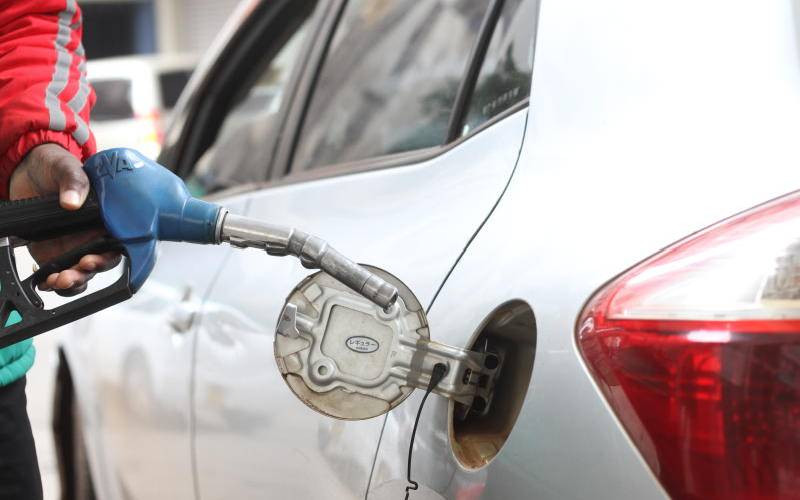
The discussion regarding the intended removal of fuel subsidy in Kenya have left many Kenyans wondering how the cost of living will be. There is a consideration to adopting an automatic pricing mechanism based on global prices set by forces of demand and supply with built-in price smoothing to protect households while ensuring full pass-through in the medium term.
Fossil-fuel subsidies are one of the biggest financial barriers hampering the world's shift to renewable energy sources. Each year, governments around the world pour around half a trillion dollars into artificially lowering the price of fossil fuels - more than triple what renewables receive. This is despite repeated pledges by politicians to end this kind of support, including statements from the G7 and G20 groups of nations.
Fossil-fuel subsidies generally take two forms. Production subsidies are tax breaks or direct payments that reduce the cost of producing coal, oil or gas. These are common in Western countries and are often influential in locking in infrastructure such as oil pipelines and gas fields Consumption subsidies, meanwhile, cut fuel prices for the end user, such as by fixing the price at the petrol pump so that it is less than the market rate.





 join
join